
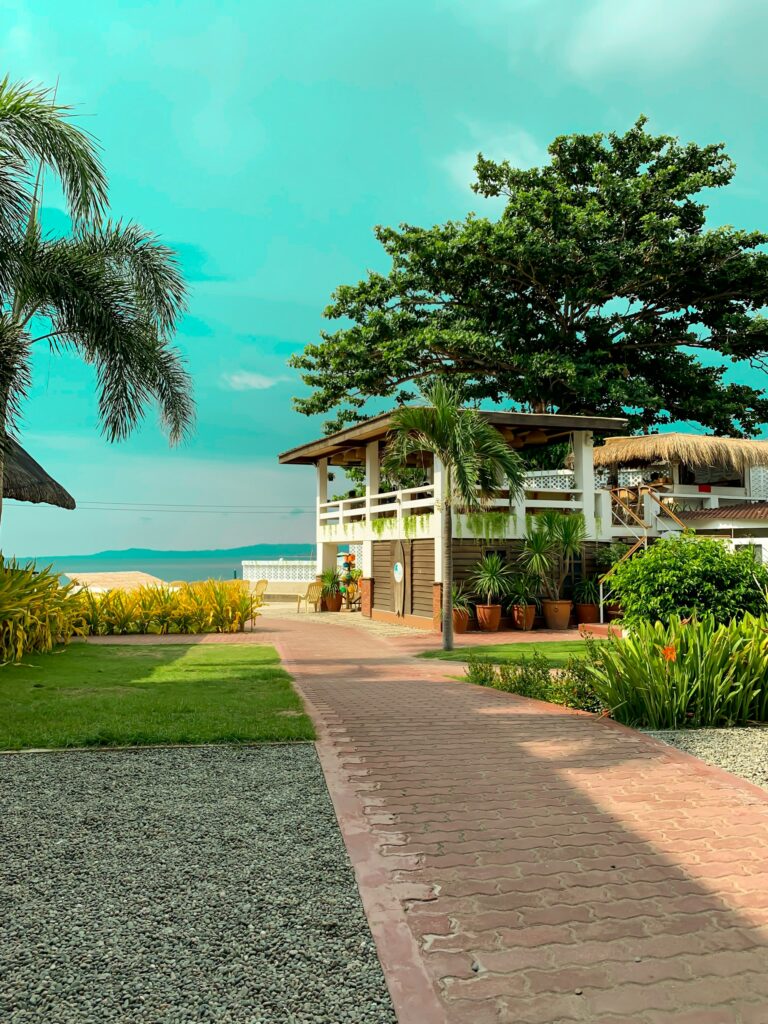
Most garden projects start with good intentions. A weekend trip to the hardware store, a few saved inspiration photos, maybe a raised bed or small pathway planned out for spring. Everything looks solid in the beginning. Then a year passes. The wood starts twisting near the corners. One side of the planter sinks slightly after heavy rain. Metal brackets develop orange rust marks that were definitely not there before. It happens more often than people expect, especially in outdoor spaces where materials deal with moisture almost constantly.
A lot of DIY garden projects do not fail because of bad design. Usually, the issue is simpler than that. The materials were never built to handle real outdoor conditions long term. That has become more noticeable lately as gardens are being used differently. Outdoor spaces are no longer treated like forgotten corners behind the house. They are being turned into places for morning coffee, container gardening, family dinners, and quiet evenings outside. Naturally, people want those projects to hold up for more than one season.
Cedar and Redwood for Outdoor Builds
Wood blends naturally into outdoor spaces very easily. But cheaper lumber often becomes a problem surprisingly fast.
Untreated pine absorbs moisture easily, especially near damp soil, which often leads to warping, splitting, and softening over time. Cedar tends to last better without demanding constant maintenance. It handles moisture well, resists rot naturally, and keeps its shape more reliably through changing weather. Redwood is another durable option commonly used for raised beds and fencing.
One practical advantage with these woods is that they age gradually instead of suddenly looking damaged overnight. Even after weather exposure, they usually still fit naturally into the garden rather than looking neglected.
Composite Boards Reduce Maintenance Frustration
Not everyone enjoys resealing wood every year. That alone explains why composite materials have become more common in outdoor projects recently. These days, composite boards are utilised for much more than just decking. They can be found as screening panels, bench seats, planter boxes, and walkways since they are comparatively stable in different kinds of weather conditions.
It makes sense that some homeowners still like real wood in terms of aesthetics. However, over time, composite materials can save a surprising amount of upkeep for locations that are subjected to frequent dampness or extreme sunlight.
Gravel and Stone Usually Age Better Than Perfect Surfaces
There is something appealing about perfectly smooth concrete when it is first poured. The problem is that outdoor surfaces rarely stay perfect for long. Small cracks eventually appear. Edges stain. Repairs become visible. In softer garden settings, concrete can also start feeling visually harsh after a while.
Natural stone and gravel tend to age more comfortably. A gravel pathway shifting slightly after rain does not necessarily look ruined, they look more natural.
Crushed granite, pea gravel, and slate chips continue to stay popular, partly because they drain well and partly because they do not look overly polished. Gardens generally feel more inviting when materials have a little texture and variation instead of looking too manufactured.
Stone pathways also tend to work well in gardens that change seasonally. Plants grow over edges, leaves collect in corners, and everything settles together more naturally.
Stronger Metal Supports Matter More Than People Expect
A lot of outdoor structures fail quietly. Not immediately, but slowly.
A trellis starts leaning after strong winds. Raised beds begin pushing outward from soil pressure. Pergola joints loosen little by little each season. Often, the visible materials still look fine while the support system underneath weakens. That is why sturdier framing materials matter in larger garden builds.
Galvanised steel remains common because it handles moisture relatively well compared to untreated metals. For heavier structures, some homeowners also choose square cast iron supports where extra strength and durability are needed over time.
Metal details have become more popular visually, too. Darker framing paired with wood and greenery gives outdoor spaces a cleaner look without feeling overly industrial.
Brick Continues to Work in Almost Any Garden Style
Some garden trends disappear after a few years. Brick rarely does. It works with modern gardens, cottage gardens, rustic spaces, and even smaller urban yards. Part of that comes from the fact that brick does not need to stay flawless to look good. Slight fading and uneven texture often add character rather than making the space feel worn down.
Reclaimed brick especially has become more common recently because it softens newer landscapes that might otherwise feel too sharp or unfinished. It also tends to blend better with plants and older outdoor materials.
Better Materials Often Result in Later Cost Savings
There are other reasons to use long-lasting materials up front than making a garden or an outdoor area look expensive. In many cases, it just reduces the need for future reconstruction, repainting, repairs, or replacements.
Temperature swings, soil movement, heat, and rain are constant problems for outdoor spaces. Materials that can endure certain conditions without deteriorating too quickly are frequently the better investment, even if the initial cost is slightly more.
Gardens that are constructed with as little expense or with cheaper materials are rarely the ones that continue to look excellent years later. They are often the ones whose materials were appropriately selected for the conditions in which they had to live.