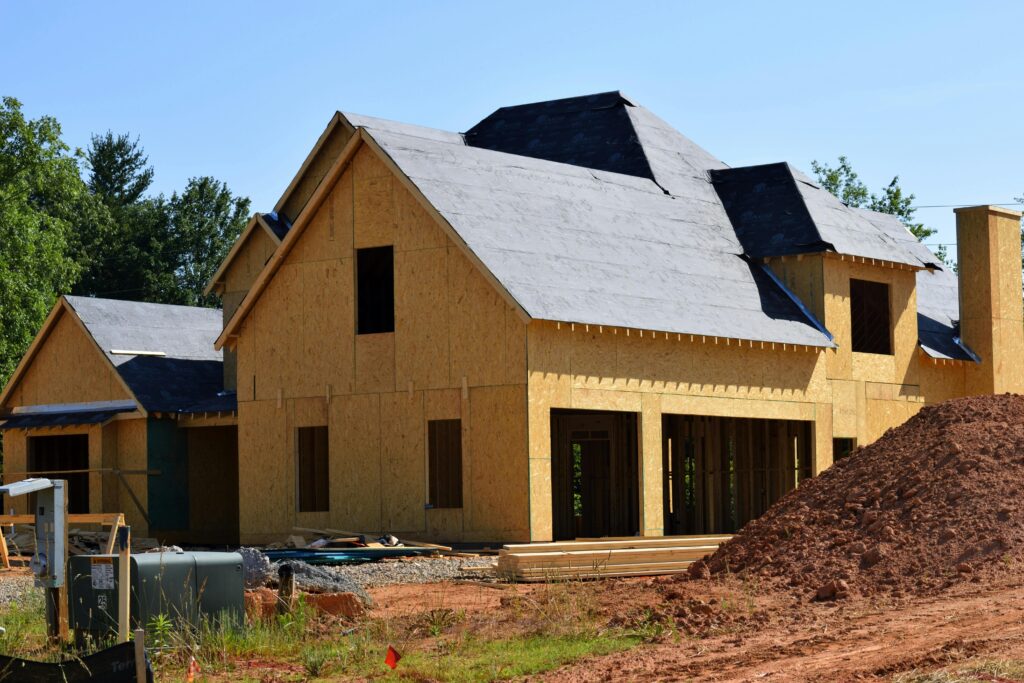
Weld County has become one of the fastest-growing regions in Colorado, and it’s not hard to see why. Wide-open land, a lower cost of entry compared to the Front Range, and a community culture that still feels rooted in place — it’s the kind of area where building a custom home actually makes sense. Before you break ground, though, there are a few things worth knowing about how the process works out here and what separates a great custom home builder from a frustrating one.
1. Weld County’s Growth Means More Options — and More Due Diligence
New subdivisions keep popping up across Greeley, Windsor, Severance, and unincorporated stretches of the county, and with that growth comes a longer list of builders competing for your project. That’s good news for buyers, but it also means you’ll need to do your homework. Not every builder operating in Weld County has deep experience with local permitting timelines, soil conditions, or HOA requirements in newer communities. Look for someone with a track record in the specific area where you’re building, not just Colorado in general.
2. Lot Ownership Changes the Conversation
Some custom builders in Weld County work exclusively on lots you already own, while others offer design-build packages on land they’ve already secured in planned developments. Knowing which model a builder operates under will save you a lot of confusion early on. If you own raw land — especially in more rural parts of the county — you’ll want a builder who’s comfortable navigating well and septic requirements, agricultural zoning considerations, and county road access issues that don’t come up in standard residential subdivisions.
3. Semi-Custom Isn’t the Same as Fully Custom
This distinction matters more than most buyers realize going in. A semi-custom builder gives you a set of floor plan templates and lets you choose finishes, elevations, and some structural modifications within a defined range. A fully custom builder starts from scratch with your architect or in-house designer and builds to your specifications without a template ceiling. Both have their place, but they carry different price points, timelines, and creative latitude. Be clear about what you’re actually looking for before you sit down for your first consultation.
4. Local Supplier Relationships Affect Your Timeline
Weld County isn’t Denver, and supply chains work a little differently here. Builders with established relationships with local lumber yards, concrete suppliers, and subcontractors tend to keep projects moving more reliably than those who rely on outside vendors without regional ties. Ask your builder directly where they source materials and how they handle delays. A builder who has a straight answer — and contingency thinking built into their process — is a builder who’s been around long enough to have dealt with the unexpected.
5. The Permit Process Has Its Own Rhythm
Weld County building permits are handled through the county’s Planning and Development Services department, and timelines can vary depending on project complexity and seasonal volume. Experienced local builders know how to submit complete, compliant applications upfront rather than going back and forth with corrections that stretch your start date. Ask any prospective builder how long permit approval typically takes for projects similar to yours, and whether they’ve run into issues with the county in the past. Their candor on that question tells you a lot.
6. Energy Efficiency Standards Are Worth Discussing Upfront
Colorado has adopted increasingly stringent energy codes in recent years, and custom builders vary widely in how they approach insulation, HVAC systems, window specs, and solar readiness. Some builders treat energy efficiency as a baseline compliance issue, while others integrate it as a design value. If long-term utility costs, indoor air quality, or environmental footprint matter to you, bring those priorities into the conversation early. It’s much easier to build them in than to retrofit later.
7. References Should Come From Projects You Can Actually Visit
Any reputable custom home builder in Weld County should be able to connect you with past clients whose homes you can drive by — and ideally, walk through. Photos on a website are a starting point, but they don’t tell you whether the trim work held up, whether the subfloor has any flex, or whether the homeowner would hire that builder again. Request a reference list, make the calls, and if a builder hesitates to provide one, take that hesitation seriously.
8. Communication Style Is a Compatibility Issue
A custom home build in Weld County typically runs six to fourteen months from permit approval to certificate of occupancy, depending on size and complexity. That’s a long time to be in a working relationship with someone. Pay attention during your early conversations to how quickly they respond, how clearly they explain things, and whether they seem genuinely interested in your project or just in closing a contract. The builders who are straightforward and consistent from the first meeting tend to stay that way through the hard parts of a build.
9. Understand What’s Included in the Base Price
Custom home pricing in Weld County can look very different from one builder to the next depending on what’s buried in the base price versus what shows up as an upgrade later. Landscaping, driveway grading, window well covers, garage door openers, appliance packages, and exterior faucets are common line items that homeowners don’t realize aren’t included until they’re deep into the selection process. Ask for a detailed specification sheet early and compare it line by line across any builders you’re seriously considering.
10. The Builder’s Financial Stability Is Your Business
This one doesn’t come up often enough in early conversations, but it should. A builder who’s overextended across too many projects, or who’s undercapitalized relative to the scope of what they’re selling, creates real risk for your build. Delays, subcontractor non-payment issues, and material shortfalls are often symptoms of a builder who stretched too thin. It’s appropriate to ask how many projects they’re currently managing and whether they carry builder’s risk insurance. A confident, stable builder won’t flinch at that question.
The Right Partner Makes All the Difference
Building a custom home in Weld County is one of the more rewarding investments you can make in the region — but only when you go in with clear expectations and the right partner. The county’s continued growth has attracted a wide range of builders, and the gap between the top custom home builders in Weld County and the ones who’ll leave you frustrated mid-build is wider than most buyers expect going in. Doing the legwork upfront to understand who you’re working with, how they operate, and what their past clients actually experienced is the most valuable thing you can do before a single stake goes in the ground.
Take your time on the front end of this decision. Walk through model homes. Ask uncomfortable questions about budgets, timelines, and subcontractor relationships. Read the contract carefully and don’t let anyone rush you past the details. A builder who’s confident in their work will welcome the scrutiny — and one who pushes back on reasonable questions is telling you something important before you’ve written a single check.
The extra conversations you have before signing a contract are far less expensive than the problems you’ll avoid because you had them. Weld County has a lot to offer as a place to put down roots, and a well-built custom home is one of the best ways to do exactly that. Choose the builder who earns your confidence, not just the one who gives you the most polished pitch.