

Public health usually gets discussed in very formal ways. Hospital funding. Healthcare systems. Government planning. Statistics. Reports. But most people experience health in much more ordinary situations than that.
It shows up when a parent in a local WhatsApp group mentions that a stomach virus is spreading around nearby schools. It shows up when neighbours collect money for someone’s treatment after an unexpected diagnosis. Sometimes it is just a volunteer sitting outside a small community clinic helping elderly patients fill out forms because they are confused or overwhelmed. None of these things looks important enough to become headlines. Most are forgotten quickly. However, they have a greater impact on day-to-day living than individuals realise.
There has also been an apparent shift in the conversation around health during the past several years. Instead of waiting until issues worsen, more individuals are focusing on prevention. Mental health is spoken more openly. Cleaner environments matter more. Early treatment matters more. Access matters more.
A Lot of People Wait Longer Than They Should
One uncomfortable reality is that many health issues become worse simply because people delay dealing with them. Sometimes it is money. Sometimes it is fear. Sometimes life is just exhausting, and people keep pushing appointments further down the list until months pass without realising it.
A persistent cough gets ignored because work feels more urgent. Someone keeps saying they will schedule a check-up “next week” and never actually does it. Parents panic-search symptoms online at midnight and end up trusting random social media posts because they appear faster than proper medical advice. That kind of hesitation is extremely common.
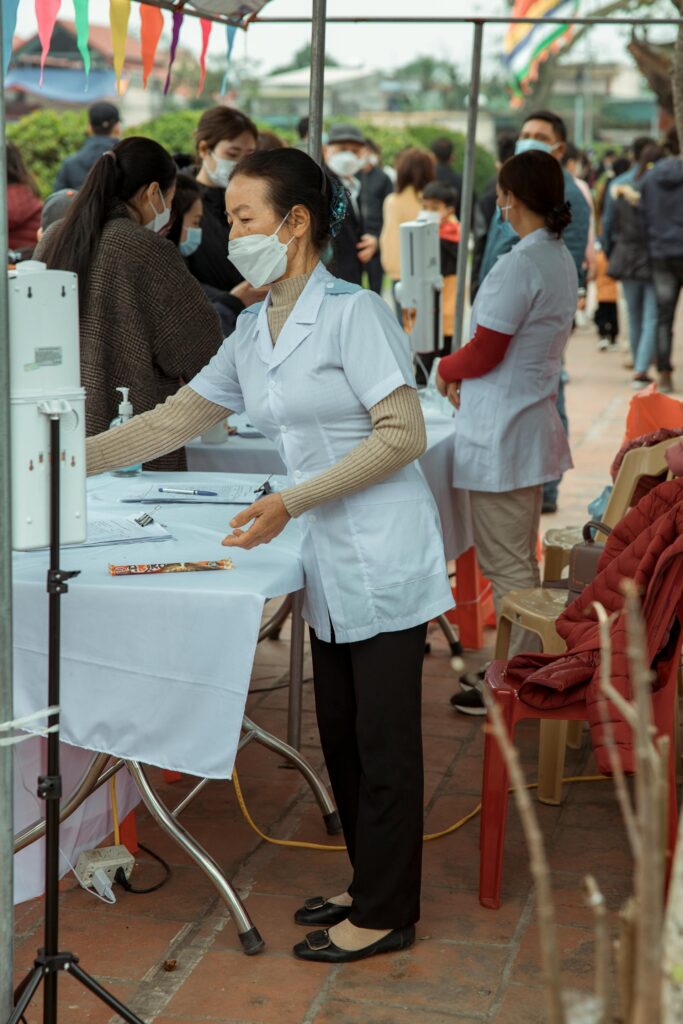
This is one reason smaller awareness efforts still matter, even if they seem insignificant beside larger healthcare campaigns. Local screening camps, school health workshops, immunisation campaigns, and community wellness initiatives frequently urge individuals to take symptoms seriously sooner rather than waiting until things get more problematic.
Long before anybody sees a doctor, local volunteers and outreach workers position themselves as reliable providers of assistance, particularly in many lower-income neighbourhoods. Sometimes, after putting off seeking medical attention for months, a brief discussion during a neighbourhood visit is sufficient to persuade someone to do so.
Healthcare Still Depends Too Much on Where Someone Lives
Location still has a significant impact on healthcare access. In larger cities, pharmacies and clinics may be nearby. In remote areas, even a basic consultation can require long travel times, transportation costs, missing work, and waiting hours just to be seen briefly.
For families already under financial stress, those obstacles can become enough reason to avoid treatment unless the situation becomes impossible to ignore. That is partly why outreach-based healthcare programs have become more important over time. Organisations such as Indus Hospital continue supporting underserved communities through outreach services, medical camps, blood centres, and mobile healthcare units designed to bring treatment closer to people who may otherwise struggle to access care.
Mobile healthcare services especially make a noticeable difference in remote areas. Even temporary clinics operating for a single day can help residents receive screenings or referrals they may have postponed for far too long otherwise.
Everyday Surroundings Affect Health Too
Hospitals and medicine are not the sole aspects of public health. Even if it is simple to ignore, people are continually impacted by the condition and situation of their daily environment. Overflowing garbage sitting in crowded streets for days. Unsafe drinking water. Flooded roads after heavy rain. Parks that slowly stop being used because they are neglected for too long. People adapt to these things surprisingly quickly. Sometimes conditions become so normal that communities stop noticing how unhealthy they actually are until problems become severe.
Cleaner neighbourhoods tend to feel different almost immediately, though. Streets feel safer. Shared spaces become more usable. Children spend more time outside. People walk more. Daily stress shifts in small ways that are difficult to measure but easy to feel. This is why local clean-up drives and sanitation awareness campaigns still matter. They improve the spaces people move through every single day.
Feeling Supported Matters More Than People Realise
One area of public health that still gets overlooked is emotional wellbeing. Stress and isolation affect people quietly. Elderly individuals living alone. Families dealing with financial pressure. People emotionally exhausted from trying to manage work, caregiving, bills, and daily responsibilities all at once.
Communities with stronger support systems usually recover from difficult periods better because people feel less alone while dealing with problems. Sometimes support comes through organised programs. Other times it happens in smaller, quieter ways. Volunteers delivering meals during difficult periods. Community kitchens helping families struggling financially. Neighbours checking on elderly residents during heatwaves or power outages. None of these actions solves everything. But they reduce pressure at moments when people need support the most.
Concluding
Healthier communities are rarely built through one huge solution. Usually, progress happens slowly. A local health camp that catches problems earlier. Better information shared before misinformation spreads. A cleaner shared environment. Someone helping another person get treatment instead of delaying it again. When taken and viewed separately, these actions appear insignificant enough to be ignored. But over time, they create communities that feel safer, healthier, and more supported in ways that individuals frequently only become aware of after such initiatives stop happening.