

Understanding Opioid Use Disorder as a Chronic Brain Disease
 For many, navigating the path to recovery from opioid use disorder (OUD) can feel overwhelming. Opioid addiction is a complex, chronic disease that impacts millions of lives. While recovery is profoundly possible, access to effective and sustained treatment often remains a significant challenge. Fortunately, in May 2026, we are witnessing a transformative shift in healthcare delivery. Telemedicine is rapidly expanding the reach of addiction treatment.
This innovative approach is breaking down traditional barriers to care. It offers new hope and practical solutions for those seeking help. This article will explore how Telemedicine opioid addiction treatment is revolutionizing recovery. We will examine its benefits, discuss key treatment options, and show how it empowers individuals on their journey to lasting wellness.
Opioid use disorder (OUD) is not a moral failing but a chronic brain disease, similar to diabetes or heart disease. It’s characterized by compulsive use of opioids despite harmful consequences. The neurobiology behind OUD is complex, involving profound changes to brain chemistry. When opioids enter the brain, they bind to opioid receptors, flooding the system with dopamine, a neurotransmitter associated with pleasure and reward. This intense rush of euphoria teaches the brain to crave the substance, overriding natural reward pathways.
Over time, the brain adapts to the constant presence of opioids, leading to structural and functional changes. Dopamine receptors become less sensitive, requiring more of the drug to achieve the same effect – a phenomenon known as tolerance. Furthermore, the brain’s stress response system becomes dysregulated. Individuals with OUD often experience heightened anxiety and stress, which can trigger cravings and contribute to relapse, even years into recovery. This chronic, relapsing nature of OUD underscores the need for long-term, comprehensive treatment strategies that address both the physical and psychological aspects of the disease. For a deeper dive into these neurological processes, explore The Science Behind Opioid Addiction.

The Impact of Opioids on Behavior
The physiological changes wrought by OUD manifest in significant behavioral shifts. Compulsive drug-seeking behavior becomes a dominant force, often at the expense of work, relationships, and personal health. Physical dependence means the body needs opioids to function normally, and without them, severe and highly uncomfortable withdrawal symptoms emerge. These symptoms can range from muscle aches and nausea to intense anxiety and depression, driving individuals to continue using simply to avoid the agony of withdrawal.
Tolerance further exacerbates the problem, pushing individuals to take increasingly higher doses, which significantly increases the risk of overdose. Beyond physical dependence, psychological triggers—such as stress, environmental cues, or social situations—can provoke intense cravings, making it incredibly difficult to maintain abstinence. These behavioral patterns highlight why OUD is so challenging to overcome without professional intervention and why recovery is an ongoing journey that requires sustained support and management.
The Evolution of Telemedicine Addiction Treatment
Historically, geographical location, lack of specialized providers, and the stigma associated with addiction have created significant access barriers to effective OUD treatment. Rural healthcare, in particular, has struggled to provide adequate services, leaving many without options. However, as of May 2026, telemedicine has emerged as a powerful solution, fundamentally reshaping how addiction care is delivered. This digital transformation has been accelerated by technological advancements and policy changes, making virtual care more accessible and acceptable than ever before.
Telemedicine offers a lifeline by bridging distances, connecting patients in underserved areas with expert medical professionals. This expanded reach means individuals no longer need to travel long distances, take time off work, or arrange childcare to attend appointments. The convenience and flexibility of virtual care have been shown to improve patient retention rates, as individuals are more likely to stay engaged in treatment when it fits seamlessly into their lives. This shift towards remote care is not just about convenience; it’s about equitable access to life-saving treatment.

Benefits of Telemedicine Addiction Treatment
The advantages of telemedicine in addiction treatment are manifold. One of the most significant benefits is enhanced privacy. Many individuals fear being seen entering an addiction treatment facility, leading to delays in seeking help or outright avoidance. Telemedicine allows patients to receive care from the comfort and discretion of their own homes, significantly reducing this stigma.
Flexible scheduling is another key benefit, enabling patients to integrate appointments around work, family, or other commitments without disruption. This flexibility can be crucial for individuals re-establishing stability in their lives. Furthermore, the elimination of transportation barriers—such as lack of a vehicle, prohibitive costs, or unreliable public transit—removes a common obstacle to consistent care. Telemedicine also facilitates more consistent monitoring through virtual check-ins and remote data collection, allowing providers to quickly identify and address potential challenges, improving overall treatment adherence and outcomes.
Prescribing Buprenorphine via Telemedicine Addiction Treatment
A critical aspect of expanding access to OUD treatment through telemedicine is the ability to prescribe medications like buprenorphine. Recent regulatory changes, particularly those that gained traction during the pandemic and have largely been codified or extended by May 2026, have made it possible for qualified healthcare providers to initiate and manage buprenorphine treatment virtually. This includes the initial induction process, where patients transition from opioids to buprenorphine, often under close supervision.
Telemedicine platforms ensure that safety protocols are meticulously followed, with providers guiding patients through home administration and monitoring their progress. This capability is pivotal because buprenorphine, often combined with naloxone (commonly known as Suboxone®), is a highly effective medication for OUD, helping to reduce cravings and prevent withdrawal symptoms. The ability to access this treatment remotely has dramatically increased its availability, especially for those who previously lacked local access to qualified prescribers. For more detailed information on how these medications assist in recovery, refer to our guide on medication-Assisted Treatment for Opioid Addiction.
Evidence-Based Medications in the Digital Recovery Landscape
The foundation of effective OUD treatment lies in evidence-based medications. The three FDA-approved medications for OUD—buprenorphine, methadone, and naltrexone—each play a crucial role in supporting long-term recovery. These medications, when combined with behavioral therapies, significantly improve outcomes, reduce illicit opioid use, and decrease overdose deaths. Telemedicine has made accessing these life-saving drugs more feasible for a broader population.
Comparing Agonist and Antagonist Therapies
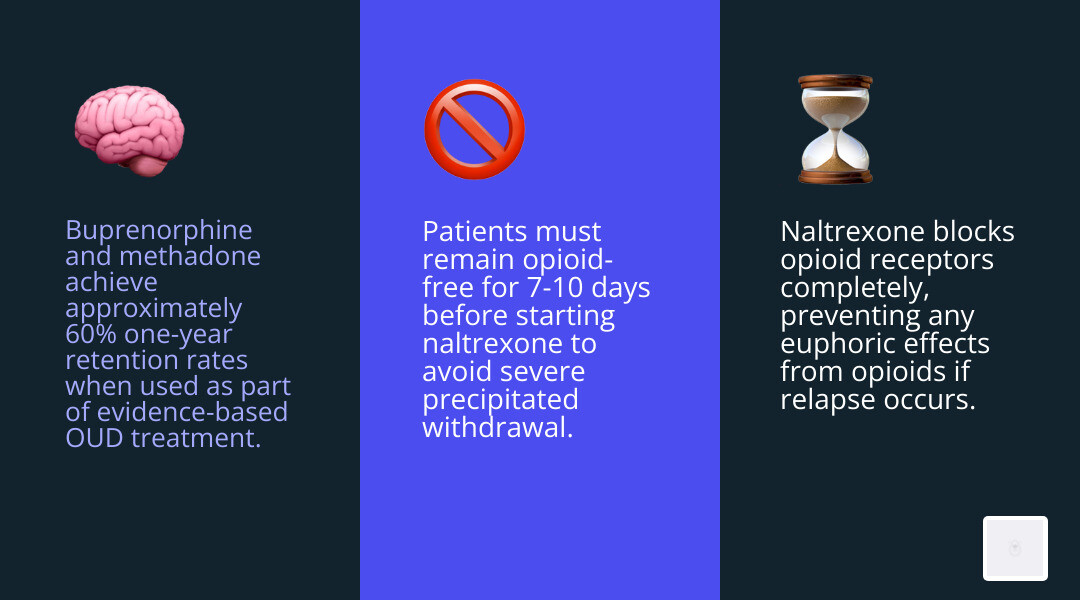
Buprenorphine and methadone are opioid agonists, meaning they activate opioid receptors in the brain, but in a controlled way that prevents withdrawal and reduces cravings without producing the euphoric high associated with illicit opioids. Methadone is typically administered daily in highly regulated opioid treatment programs (OTPs), requiring daily clinic visits, which can be a barrier for some. It has a mean 1-year retention rate of approximately 60%. Buprenorphine, on the other hand, can be prescribed by certified practitioners and taken at home, offering greater flexibility. It also boasts a similar 1-year retention rate of around 60%. Both medications help normalize brain chemistry, reducing the intense stress response that drives relapse.
Naltrexone is an opioid antagonist, meaning it blocks opioid receptors, preventing opioids from having any effect. It’s available in oral form and as an extended-release injectable (Vivitrol®). Oral naltrexone has shown poor retention rates, with fewer than 20% of patients remaining in treatment for 6 months. However, extended-release naltrexone has demonstrated better outcomes, with one trial showing 53% retention at 6 months compared to 38% for placebo. A key consideration for naltrexone is that patients must be opioid-free for at least 7-10 days before starting treatment to avoid precipitating severe withdrawal.
The choice between these medications is highly individualized, based on a patient’s history, preferences, and lifestyle. Regardless of the specific medication chosen, these treatments are vital for cravings reduction and overdose prevention, providing a stable foundation upon which behavioral therapies and recovery support can build. They are not merely substitutes for illicit drugs but essential tools for managing a chronic disease and preventing relapse. For comprehensive strategies to maintain sobriety, refer to Opioid Relapse Prevention.
Overcoming Barriers to Long-Term Recovery and Support
While medication-assisted treatment (MAT) is the cornerstone of OUD recovery, long-term success also hinges on robust support systems and a reduction in societal stigma. Family involvement and community support are crucial. When family members understand OUD as a chronic disease and actively participate in the recovery process, outcomes significantly improve. This includes offering emotional support, helping to create a safe environment, and learning about the disease itself. Communities can foster recovery by providing accessible resources, promoting understanding, and creating a culture of acceptance rather than judgment.
Reducing stigma is paramount. The perception of OUD as a moral failing rather than a medical condition often prevents individuals from seeking help and can lead to discrimination. Education and advocacy are vital to changing these harmful narratives. Furthermore, access to life-saving tools like Naloxone is critical. Naloxone is an opioid overdose reversal medication that can be administered by anyone, including family and friends, to prevent fatal overdoses. Ensuring widespread availability and education on its use empowers communities to act as first responders in emergencies.
Holistic Strategies for Sustained Remission
Recovery is a comprehensive process that extends beyond medication. Holistic strategies play a crucial role in helping individuals achieve and maintain sustained remission. Cognitive Behavioral Therapy (CBT), for instance, helps individuals identify and change negative thought patterns and behaviors that contribute to substance use. Mindfulness-based practices can teach individuals to manage stress, cravings, and emotional triggers more effectively.
Lifestyle changes, including a healthy diet, regular exercise, and adequate sleep, contribute to overall well-being and can strengthen an individual’s resilience against relapse. Peer support groups, such as Narcotics Anonymous (NA) or SMART Recovery, offer invaluable social support, shared experiences, and accountability. These groups provide a sense of community and belonging, reminding individuals that they are not alone in their journey. Integrating these various elements creates a comprehensive and personalized recovery plan, fostering not just abstinence but a fulfilling and healthy life.
Frequently Asked Questions about Telemedicine and Recovery
Is telemedicine addiction treatment as effective as in-person care?
Emerging evidence, particularly from the expanded use during and after the pandemic, suggests that telemedicine addiction treatment can be as effective as in-person care for many individuals with OUD. Studies indicate comparable clinical outcomes, including retention rates in treatment and reductions in illicit opioid use. Patient satisfaction with virtual care is generally high, citing convenience, privacy, and reduced travel time as significant benefits. The key is that telemedicine facilitates access to evidence-based treatments, including medication-assisted treatment (MAT) and behavioral therapies, which are the proven components of effective OUD care.
How do medications like buprenorphine support long-term recovery?
Medications like buprenorphine play a pivotal role in supporting long-term recovery by addressing the physiological underpinnings of OUD. Buprenorphine normalizes brain chemistry by partially activating opioid receptors, which significantly reduces cravings and prevents severe withdrawal symptoms. This stabilization allows individuals to focus on behavioral therapies, life skills development, and addressing co-occurring mental health conditions. By managing the intense physical and psychological urges, buprenorphine provides a crucial window for individuals to rebuild their lives, improve relationships, and engage in productive activities, fostering sustained recovery. For more details on these treatments, visit Opioid Addiction Treatment.
Can I access specialized addiction care if I live in a remote area?
Absolutely. One of the most transformative aspects of telemedicine in May 2026 is its ability to overcome geographic barriers. Individuals living in remote or rural areas, where specialized addiction care providers might be scarce or non-existent, can now access virtual clinics and receive comprehensive OUD treatment. This includes initial consultations, medication management (such as buprenorphine prescribing), and behavioral therapy sessions. While insurance coverage can vary, many providers and state programs are increasingly covering telemedicine services, making specialized care more accessible than ever before, regardless of where you live.
Conclusion
Recovery from opioid use disorder is not only possible but achievable for millions. As we move through May 2026, the integration of technology, particularly telemedicine, is revolutionizing how we approach this chronic disease. By expanding access to evidence-based treatments like medication-assisted therapy and behavioral interventions, telemedicine breaks down critical barriers of geography, stigma, and convenience. It empowers individuals to take control of their health journey, offering a flexible, private, and effective pathway to lasting wellness. The future of addiction care is increasingly digital, promising a more inclusive and effective system for all those seeking a life in recovery. To explore more about the journey of recovery, visit Addiction Recovery.
This article was medically reviewed by: Chad Elkin, MD, DFASAM is a board-certified addiction medicine physician, founder, and Chief Medical Officer of National Addiction Specialists, dedicated to treating substance use disorders. A Distinguished Fellow of the American Society of Addiction Medicine (ASAM), Dr. Elkin currently serves as President of the Tennessee Society of Addiction Medicine (TNSAM) and has held various leadership roles within the organization. Dr Elkin chairs ASAM’s Health Technology Subcommittee and is an active member of its Practice Management and Regulatory Affairs Committee, State Advocacy and Legislative Affairs Committee, and other committees. He also serves on the planning committee for the Vanderbilt Mid-South Addiction Conference. Committed to advancing evidence-based policy, Dr Elkin is Chairman of the Tennessee Association of Alcohol, Drug, & Other Addiction Services (TAADAS) Addiction Medicine Council, which collaborates with the TN Department of Mental Health & Substance Abuse Services (TDMHSAS). He has contributed to numerous local, state, and national task forces, helping develop professional guidelines, policies, and laws that align with best practices in addiction medicine. His work focuses on reducing addiction-related harm, combating stigma, and ensuring access to effective treatment. Passionate about addiction medicine, he remains dedicated to shaping policy and enhancing patient care.