
Defining Health and Wellness: What is the Difference?
We all strive for a life filled with vitality and purpose. But what truly defines a healthy existence in June 2026? We believe it’s more than just the absence of illness. The World Health Organization (WHO) defines health as a complete state of physical, mental, and social well-being.
However, wellness takes this idea a step further. We understand wellness as an active, conscious journey. It is a self-directed, evolving process where we make choices to achieve our full potential. This holistic view recognizes the deep connection between our mind, body, and spirit.
In this extensive guide, we will explore the core pillars of health and wellness. We will delve into practical advice for improving nutrition, fitness, and mental well-being. We will also examine preventive care, community support, and ways to overcome common barriers to a healthier life.
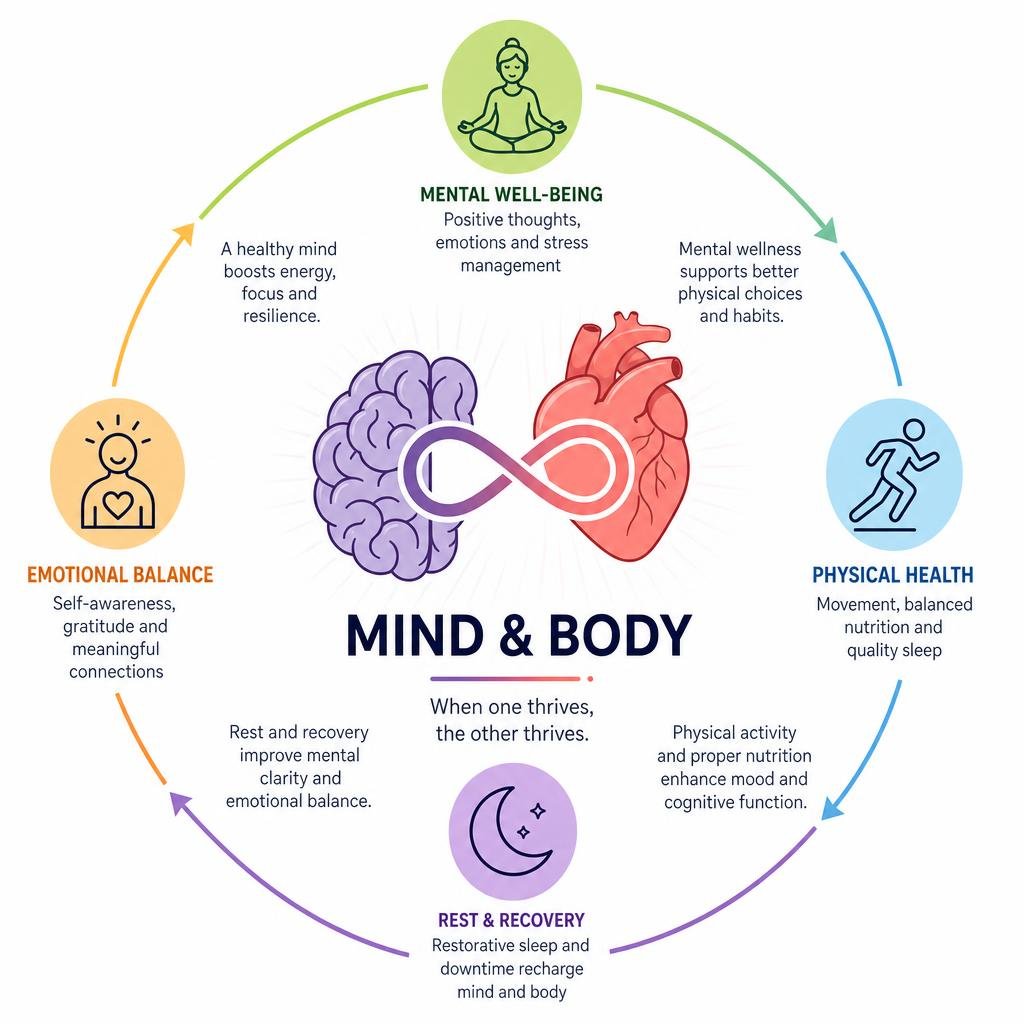
While often used interchangeably, “health” and “wellness” represent distinct yet interconnected concepts. Understanding this difference is fundamental to embarking on a truly holistic journey toward well-being.
Health, in its most traditional sense, refers to a state of being. It’s about the physical, mental, and social condition of an individual, often characterized by the absence of disease or infirmity. When we talk about health, we might consider medical diagnoses, physical capabilities, or mental stability. It’s a snapshot, a current status report of one’s physical and psychological state. For example, a person might be deemed “healthy” if they have no diagnosed illnesses and their bodily functions are operating optimally.
Wellness, on the other hand, is an active, conscious, and continuous process of achieving one’s full potential. It’s not a static destination but an ongoing journey of making choices that lead to a more successful existence. The Global Wellness Institute highlights the significant and growing focus on wellness, with various countries, including Canada, recognizing its importance in national well-being strategies as of June 2026. Wellness involves self-directed actions and behaviors that contribute to overall vitality across multiple dimensions of life. It encompasses a broader spectrum of human experience, emphasizing proactive steps rather than merely reacting to illness.
The significance of this distinction lies in empowerment. While we may not always have complete control over our health status (e.g., genetic predispositions or unexpected illnesses), we do have agency over our wellness choices. We can actively pursue behaviors and attitudes that foster resilience, growth, and optimal functioning, even in the face of health challenges. This proactive approach to life quality is what truly sets wellness apart.
To clarify further, consider the following comparison:
Feature Health Wellness Nature State of being; absence of disease Active, conscious, self-directed process of achieving full potential Focus Diagnosis, treatment, physical/mental condition Proactive choices, lifestyle, growth, optimal functioning Perspective Reactive (to illness or symptoms) Proactive (preventive, enhancing life quality) Goal To be free from illness To thrive, flourish, and achieve a successful existence Responsibility Often relies on medical professionals Primarily individual responsibility through conscious choices This table underscores that while good health is a foundational component, true well-being extends into the realm of active, intentional living.
The Core Pillars of a Balanced Lifestyle
Achieving holistic health and wellness requires attention to multiple interconnected dimensions, often referred to as the “pillars of wellness.” These pillars represent different facets of our lives that, when nurtured, contribute to a balanced and fulfilling existence. Neglecting one area can impact the others, demonstrating the profound interconnectedness of our overall well-being.
The main pillars typically include:
- Physical Health: This pillar focuses on maintaining a healthy body through proper nutrition, regular exercise, adequate sleep, and responsible self-care. It’s about how well our body functions and its ability to perform daily tasks without undue fatigue or pain.
- Mental Health: Encompassing our cognitive and emotional well-being, mental health involves our ability to think clearly, cope with stress, manage emotions, and maintain healthy relationships. It’s about fostering a positive mindset and emotional resilience.
- Social Well-being: Humans are inherently social creatures. This pillar emphasizes the quality of our relationships with others, our sense of connection, belonging, and contribution to our communities. Strong social ties provide support, reduce loneliness, and enhance life satisfaction.
- Spiritual Health: This isn’t necessarily about religious affiliation, but rather about finding purpose, meaning, and values in life. It involves a sense of inner peace, connection to something greater than oneself, and living in alignment with one’s beliefs.
- Emotional Resilience: This pillar relates to our capacity to understand, express, and manage our feelings effectively. It involves developing coping mechanisms for life’s challenges, adapting to change, and bouncing back from adversity. Cultivating practices like mindfulness can significantly enhance our emotional resilience, leading to greater happiness and a more balanced perspective, as explored in our guide on Happiness with Mindfulness.
By recognizing and actively working on each of these pillars, we build a robust foundation for a truly holistic and thriving life.
Physical Health and Wellness: Nutrition, Fitness, and Preventive Care
Our physical health is the bedrock upon which much of our overall well-being rests. It encompasses everything from the food we eat to how much we move and how diligently we engage in preventive measures.
Balanced Nutrition: Fueling our bodies with the right nutrients is paramount. A balanced diet, rich in whole foods like fruits, vegetables, lean proteins, and healthy fats, provides the energy and building blocks necessary for optimal bodily function. Mindful eating, which involves paying attention to hunger and fullness cues, savoring meals, and understanding the emotional aspects of eating, can transform our relationship with food. It moves beyond restrictive diets to a sustainable pattern of nourishment.
Fitness and Movement: Regular physical activity is not just about looking good; it’s vital for cardiovascular health, strength, flexibility, and mood regulation. A comprehensive fitness routine often includes:
- Cardiovascular fitness: Activities like brisk walking, jogging, swimming, or cycling strengthen the heart and lungs.
- Strength training: Using weights or bodyweight exercises builds muscle mass, improves bone density, and boosts metabolism.
- Flexibility and balance: Practices like yoga or stretching enhance range of motion and reduce injury risk. Even addressing specific physical discomforts can contribute significantly to overall fitness. For instance, understanding Health and wellness tips for plantar fasciitis can help maintain mobility and ensure consistent physical activity, preventing a common barrier to exercise. Similarly, tools like a Best Leg Compression Machine can aid in recovery and circulation, supporting sustained physical health efforts.
Preventive Care: This aspect of physical wellness cannot be overstated. Regular check-ups, screenings, and vaccinations are crucial for early detection and prevention of diseases. The U.S. Department of Health and Human Services (HHS) emphasizes prevention and wellness programs as key to improving public health outcomes, highlighting the importance of proactive health management. This includes understanding family medical history, making informed lifestyle choices, and consulting healthcare professionals for guidance. By taking a proactive stance, we can often mitigate risks before they escalate into serious health conditions.
Mental Health and Wellness: Mindfulness and Emotional Support
Mental health is an indispensable component of our overall well-being, influencing our thoughts, feelings, and behaviors. Nurturing our mental landscape is as crucial as maintaining physical fitness.
Stress Management and Coping Strategies: In our world, stress is an inevitable part of life. However, chronic stress can have detrimental effects on both mental and physical health. Effective stress management involves identifying stressors, developing healthy coping mechanisms, and incorporating relaxation techniques into daily routines. Mindfulness, a practice of focusing on the present moment without judgment, is a powerful tool for reducing stress and anxiety. Exploring the Benefits of Meditation can reveal how regular practice can calm the mind, improve focus, and foster emotional balance. There are also various Types of Meditation to suit different preferences and needs, from guided meditations to walking meditations.
Emotional Support and Resilience: Building emotional resilience means developing the capacity to adapt to adversity and recover from difficult experiences. This involves cultivating self-awareness, practicing self-compassion, and engaging in positive self-talk. Understanding the Self-Talk Benefits can empower us to reframe negative thoughts and foster a more optimistic outlook.
Furthermore, seeking and providing emotional support is vital. This can come from friends, family, support groups, or mental health professionals. For individuals who benefit from the companionship of animals, understanding how to obtain ESA letters for health and wellness can be a crucial step in formalizing the support an emotional support animal provides, contributing significantly to their mental stability and comfort. Creating a supportive environment, both internally and externally, is key to navigating life’s challenges with greater ease and maintaining robust mental health.
Essential Health Topics and Preventive Care
Understanding common health topics and prioritizing preventive care are cornerstones of a proactive approach to well-being. While wellness focuses on active choices, health education equips us with the knowledge to make those choices effectively and to recognize when professional intervention is needed.
Common Health Issues: Many chronic conditions are largely preventable or manageable with early detection and lifestyle modifications. Topics people should learn about include:
- Diabetes: Understanding blood sugar regulation, diet, and exercise to prevent or manage Type 2 diabetes.
- Cardiovascular Disease: Learning about heart health, cholesterol, blood pressure, and risk factors for heart attacks and strokes.
- Cancer: Awareness of screening guidelines, early warning signs, and lifestyle factors that can reduce risk.
- Respiratory Conditions: Understanding common issues like asthma, allergies, and chronic obstructive pulmonary disease (COPD).
- Autoimmune Disorders: Gaining knowledge about conditions where the immune system attacks the body.
- Mental Health Disorders: Educating ourselves on depression, anxiety, and other mental health challenges, including symptoms and available support.
For comprehensive, medically reviewed information on a vast array of health topics, resources like Verywell Health – Know More. Feel Better. offer a wealth of knowledge to empower individuals in their health journey. Similarly, governmental bodies like Health Canada provide reliable public health information and guidelines.
The Role of Preventive Care and Regular Doctor Visits: Regular check-ups and screenings are invaluable for maintaining long-term health. Many serious conditions, such as high blood pressure, high cholesterol, or early-stage cancers, often present with no symptoms. A yearly doctor visit allows healthcare providers to:
- Monitor vital signs and general health indicators.
- Conduct age-appropriate screenings (e.g., mammograms, colonoscopies, blood tests) that can detect issues before they become severe.
- Provide personalized advice on diet, exercise, and lifestyle changes based on individual risk factors.
- Update vaccinations to protect against infectious diseases.
- Address concerns and offer referrals to specialists if needed.
Early detection through preventive care significantly improves treatment outcomes and can prevent the progression of diseases, ultimately enhancing quality of life and extending healthy lifespans. It is an investment in our future selves, ensuring that potential problems are identified and addressed as promptly as possible.
Overcoming Barriers to Well-being and Accessing Support

Even with the best intentions, maintaining health and wellness can be challenging. Various barriers, both personal and systemic, can impede our progress. Recognizing these obstacles is the first step toward overcoming them.
Common Barriers:
- Time Constraints: Modern life often leaves little room for self-care. Juggling work, family, and other responsibilities can make it difficult to prioritize exercise, meal preparation, or relaxation.
- Financial Limitations: Healthy food, gym memberships, therapy sessions, and certain medical treatments can be expensive, creating significant barriers for those with limited resources.
- Lack of Knowledge or Motivation: Some individuals may not know where to start or may struggle with the motivation to implement consistent healthy habits.
- Social and Environmental Factors: Unhealthy food environments, lack of safe spaces for exercise, or peer pressure can undermine wellness efforts.
- Burnout and Compassion Fatigue: Particularly prevalent in demanding professions, such as veterinary medicine where practitioners often work 50 to 60 hours per week, burnout and compassion fatigue can severely impact mental and physical health. This statistic highlights the intense pressures that can lead to exhaustion, reduced empathy, and even suicidal behaviors if not addressed. The demands of balancing quality patient care with client financial means, along with rising expectations, contribute to this acute stress.
Strategies for Overcoming Barriers:
- Prioritization and Planning: Schedule wellness activities like appointments or exercise sessions as non-negotiables. Even small, consistent efforts add up.
- Budgeting and Resourcefulness: Explore affordable options like home workouts, cooking healthy meals from scratch, or utilizing community health programs.
- Education and Support: Seek out reliable health information from sources like Healthline: Medical information and health advice you can trust. and connect with support groups or wellness coaches.
- Advocacy and Policy Changes: Support initiatives that promote healthier communities, such as access to fresh food and green spaces.
- Self-Care and Professional Help: For those experiencing significant challenges like burnout or addiction, recognizing the need for specialized support is crucial. Resources for Addiction Recovery Health and Wellness offer structured programs and professional guidance to navigate complex recovery journeys. Similarly, practices like massage can be beneficial for stress reduction, though it’s always wise to be aware of potential Side Effects of Massage and consult with a professional.
Overcoming these barriers often requires a combination of personal commitment, strategic planning, and leveraging available resources. It’s a continuous process of adaptation and seeking support when needed.
Community Programs and Caregiver Resources
Beyond individual efforts, community programs and structured support systems play a pivotal role in fostering overall wellness. Many organizations recognize the value of proactive health management and offer resources designed to help individuals and their families thrive.
Member and Community Programs: Health plans and community centers often provide a range of programs aimed at supporting member health and wellness. These can include:
- Fitness Rewards Programs: Incentivizing physical activity through discounts on gym memberships, fitness trackers, or rewards for achieving health goals.
- Clinical Support Programs: Offering access to health coaching, disease management programs (e.g., for diabetes or heart disease), and personalized care coordination.
- Wellness Coaching: One-on-one guidance from certified wellness coaches to help set and achieve health goals, from nutrition to stress management.
- Health Classes and Workshops: Educational sessions on topics like healthy cooking, stress reduction techniques, or managing chronic conditions.
- Self-Care Apps: Access to digital tools for mindfulness, sleep tracking, or mental health support.
Organizations like UnitedHealthcare actively support overall wellness by integrating many of these resources into their offerings. Their dedicated Health and wellness | UnitedHealthcare portals provide members with tools, information, and programs to help them achieve their health goals. Similarly, Kaiser Permanente emphasizes total health beyond the doctor’s office, offering self-care apps, health classes, wellness coaching, and extensive health encyclopedias. These initiatives underscore a shift towards comprehensive, preventive, and supportive care models.
Caregiver Resources: Caregiving, while rewarding, can be incredibly demanding and often leads to significant stress, compassion fatigue, and burnout. Recognizing this, many organizations and communities provide dedicated resources for caregivers:
- Caregiving Resource Guides: Comprehensive guides offering advice on managing care responsibilities, legal and financial planning, and accessing local services.
- Support Groups: Opportunities for caregivers to connect with peers, share experiences, and receive emotional support.
- Respite Care Options: Services that provide temporary relief for caregivers, allowing them to rest and recharge.
- Life Care Planning: Assistance with long-term planning for the care recipient, which can alleviate future stress for caregivers.
- Mental Health Support: Access to counseling or therapy specifically tailored for caregivers to help them cope with the emotional toll of their role.
These programs and resources are vital for ensuring that individuals have the support they need to maintain their health and wellness journey, whether they are managing their own conditions or caring for loved ones. They foster a sense of community and provide practical tools to navigate the complexities of modern health challenges.
Frequently Asked Questions about Well-being
As we navigate our journey toward holistic well-being, certain questions frequently arise. Here, we address some of these common inquiries to provide practical guidance.
What are the most effective ways to start a wellness routine?
Starting a wellness routine doesn’t require drastic changes overnight; consistency and small, manageable habits are key.
- Start Small: Instead of overhauling your entire life, pick one or two areas to focus on. For instance, commit to a 15-minute walk daily or add one extra serving of vegetables to a meal.
- Hydration is Fundamental: Begin by ensuring adequate water intake. Water is crucial for every bodily function, impacting energy levels, digestion, and cognitive function. Make it a habit to drink a glass of water first thing in the morning.
- Prioritize Sleep: Aim for 7-9 hours of quality sleep per night. Establish a consistent sleep schedule and create a relaxing bedtime routine.
- Incorporate Movement: Find an activity you enjoy, whether it’s dancing, gardening, or structured exercise. The goal is consistent movement, not just intense workouts.
- Mindful Eating: Pay attention to what you eat and how it makes you feel. Focus on whole, unprocessed foods. While a balanced diet is primary, some individuals explore supplements to fill nutritional gaps. Resources like Vitamins and Supplements Rooted in Science – Life Extension provide information on science-backed supplements, but these should always complement, not replace, a healthy diet.
- Practice Mindfulness: Dedicate a few minutes each day to meditation, deep breathing, or simply observing your surroundings without judgment.
- Be Patient and Consistent: Wellness is a journey, not a destination. There will be good days and challenging days. The key is to keep showing up for yourself.
How do health insurance plans support member wellness?
In June 2026, many health insurance plans have evolved beyond merely covering sick care to actively promoting and supporting member wellness. They understand that investing in prevention and proactive health management leads to healthier members and lower long-term costs.
- Preventive Care Coverage: Most plans cover 100% of preventive services, including annual physicals, vaccinations, and various screenings (e.g., mammograms, colonoscopies) without requiring a copay or deductible.
- Wellness Coaching and Programs: Many plans offer access to health coaches who can provide personalized guidance on nutrition, exercise, stress management, and chronic disease management. They may also provide access to weight loss programs or smoking cessation support.
- Self-Care Apps and Digital Tools: Plans often partner with digital health platforms, offering members free or discounted access to apps for mindfulness, sleep tracking, fitness, and mental health support.
- Health Assessments and Risk Management: Members can often complete online health assessments that identify personal health risks and provide tailored recommendations for improvement.
- Rewards and Incentives: Some plans offer financial incentives or rewards for participating in wellness activities, such as hitting fitness goals, completing health assessments, or joining wellness challenges.
- Clinical Support and Disease Management: For members with chronic conditions, plans provide specialized programs to help manage their health, including access to nurses, dietitians, and educational resources.
These offerings demonstrate a comprehensive approach to encouraging members to take an active role in their well-being.
How can caregivers avoid burnout and compassion fatigue?
Caregivers, whether professional or informal, often face immense emotional and physical demands. Preventing burnout and compassion fatigue is crucial for their own well-being and the quality of care they provide.
- Recognize the Signs: Be aware of symptoms like chronic exhaustion, irritability, feelings of hopelessness, social withdrawal, difficulty sleeping, or a decrease in empathy.
- Prioritize Self-Care: This is not selfish; it’s essential. Schedule regular breaks, engage in hobbies, exercise, and ensure adequate sleep. Even short periods of respite can make a difference.
- Seek Support Networks: Connect with other caregivers through support groups, online forums, or local community organizations. Sharing experiences and advice can reduce feelings of isolation.
- Set Boundaries: Learn to say no to additional responsibilities when your plate is full. Establish clear boundaries around your caregiving duties and personal time.
- Utilize Respite Care: Explore options for temporary relief, such as professional in-home care, adult day programs, or short-term facility stays, to allow for extended breaks.
- Practice Mindfulness and Stress Reduction: Techniques like meditation, deep breathing exercises, or gentle yoga can help manage stress and emotional overwhelm.
- Professional Help: Don’t hesitate to seek counseling or therapy if you’re struggling. A mental health professional can provide strategies for coping with the emotional challenges of caregiving.
- Advocate for Yourself: Communicate your needs to family members, friends, and healthcare providers. Sometimes, simply asking for help can lighten the load.
These strategies are particularly vital in high-stress roles, such as those experienced by veterinary practitioners who often face long hours and emotionally taxing situations. Proactive self-care is the best defense against the erosion of well-being.
Conclusion
Our exploration of health and wellness reveals a profound truth: true vitality is a holistic endeavor. It’s not merely the absence of illness, but an active, self-directed, and evolving process of achieving our full potential across physical, mental, social, emotional, and spiritual dimensions. In June 2026, the landscape of well-being continues to emphasize this integrated approach, moving beyond reactive care to proactive empowerment.
By understanding the distinct yet interconnected nature of health and wellness, embracing the core pillars of a balanced lifestyle, educating ourselves on essential health topics, and actively overcoming barriers, we can cultivate a life of greater purpose and resilience. From nourishing our bodies with balanced nutrition and consistent movement to nurturing our minds with mindfulness and emotional support, every conscious choice contributes to our long-term outcomes.
This journey is deeply personal and unique to each individual. We encourage you to reflect on your own well-being, identify areas for growth, and leverage the wealth of resources available—from community programs and caregiver support to the foundational knowledge shared here. Take the next step in your personal wellness journey.
For more insights and practical tools to optimize your mind, body, and spirit, explore our comprehensive resources at mindbodypal.com.