
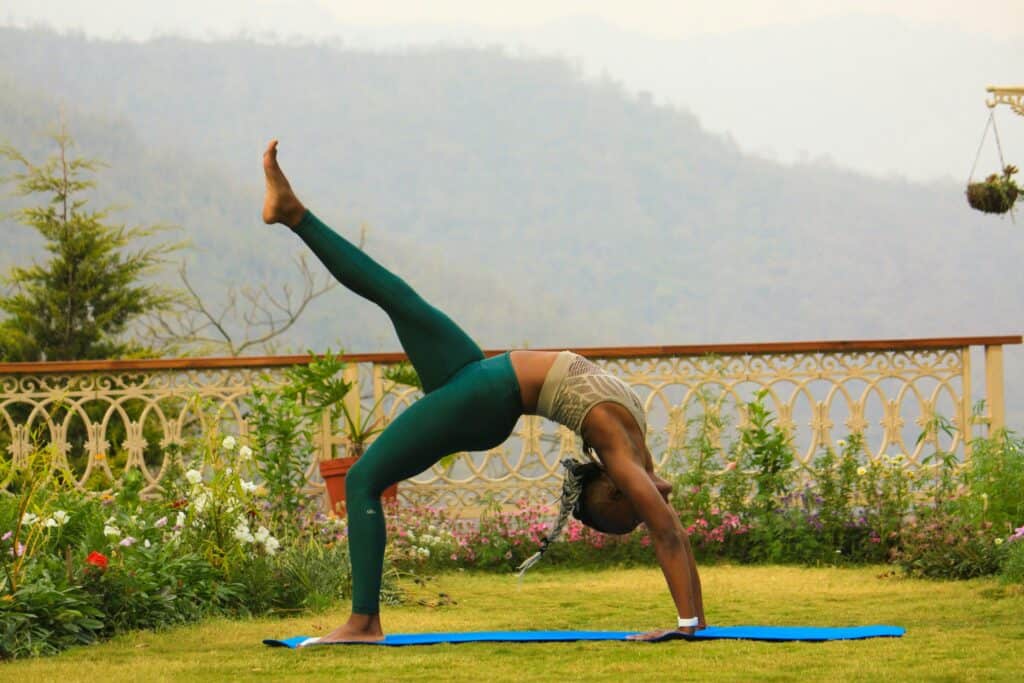
A garden room can be so much more than a home office or somewhere to escape the noise of everyday life. With a little planning, an unused part of the garden can become a dedicated space for exercise, making it easier to stay active without having to travel to a gym.
A garden gym is particularly appealing for homeowners who want a private workout space that feels separate from the main house. Whether you enjoy lifting weights, practising yoga, using cardio equipment or following online fitness classes, a well-designed garden room can provide the flexibility to create a gym that suits your routine.
Why Choose a Garden Room for a Home Gym?
One of the biggest advantages of an outdoor gym room is convenience. When your workout space is just a few steps from your back door, there are fewer excuses to skip a session. You don’t need to drive to a leisure centre, wait for equipment or worry about crowded changing rooms.
There is also something refreshing about exercising away from the main living space. A garden room can feel like a dedicated destination rather than another room in the house. Once you step inside, you can concentrate on your workout without the distractions of laundry, television, household chores or other family members.
For anyone who prefers exercising alone, it also offers considerably more privacy than a commercial gym.
Plan the Space Around Your Workout
Before buying equipment, think carefully about how you actually like to exercise. A gym designed around your habits will be much more useful than one filled with equipment that rarely gets used.
For strength training, you may want space for dumbbells, a weight bench, resistance bands and possibly a rack. If cardio is more important, you could dedicate an area to a treadmill, exercise bike or rowing machine.
Remember that gym equipment needs more room than its footprint suggests. You need enough space to move safely around it, adjust equipment and perform exercises without hitting walls or other objects.
If you enjoy yoga, Pilates or stretching, keeping part of the floor open may be more important than filling the room with machines. A large mirror can also be useful, particularly if you follow workout videos or want to check your form.
Don’t Forget Natural Light and Ventilation
A garden gym shouldn’t feel like a dark shed. Good natural light can make the room much more enjoyable to use, while windows or opening doors can provide ventilation during particularly demanding workouts.
Consider where the sun reaches your garden throughout the day when deciding where to position the room. Large windows can create a bright, welcoming environment, but blinds or curtains may be useful if the room receives strong afternoon sunlight.
Ventilation is especially important in an exercise space. Even in cooler weather, a good workout can quickly make a small room warm and stuffy. Opening windows is useful, while additional ventilation or climate control may be worthwhile if you plan to use the gym throughout the year.
Make the Flooring Fit for Exercise
Flooring is one of the most practical decisions you’ll make. Standard flooring may not be suitable for heavy weights or high-impact workouts, so consider a durable gym-friendly surface.
Rubber flooring is a popular option because it can protect the floor from equipment and dropped weights while also providing some cushioning. Interlocking rubber tiles can be particularly convenient because sections can be replaced if they become damaged.
If your workouts involve jumping, stretching or exercises performed directly on the floor, comfort matters too. You want a surface that is practical but still pleasant to use.
Think About Temperature All Year Round
A garden gym is only useful if you actually want to use it. In the middle of winter, a freezing workout room isn’t particularly motivating, while summer temperatures can make exercise uncomfortable.
Good insulation should therefore be considered from the beginning. A properly insulated garden room can help maintain a comfortable temperature and make the space much more practical throughout the year.
Heating and cooling options can then be added according to the room’s size and how frequently you use it. This is one of the key differences between a purpose-built garden room and a basic outdoor shed.
Add Storage Without Losing Floor Space
Gym equipment can quickly make a room feel cluttered. Try to use vertical space wherever possible so that the central floor area remains open.
Wall-mounted racks can hold resistance bands, mats and smaller pieces of equipment, while shelving or cupboards can keep accessories organised. If you’re using free weights, make sure they are stored securely and won’t become a trip hazard.
Keeping the room tidy isn’t just about appearance. A clear floor makes it much easier to move between different exercises and reduces the risk of accidents.
Create a Space You’ll Enjoy Using
Finally, don’t forget the atmosphere. A garden gym doesn’t need to look like a commercial fitness centre. In fact, a more personal space may make you feel more comfortable using it regularly.
Think about the colours, lighting and music you enjoy. A simple sound system or television can be useful for workout classes, while mirrors can make a relatively small room feel larger.
You could also add plants, motivational artwork or a small seating area if you have enough space. The aim is to create somewhere that makes exercise feel enjoyable rather than like another chore.
A well-planned outdoor gym room can turn an underused part of the garden into a genuinely useful extension of the home. With the right layout, insulation, flooring, lighting and equipment, it can provide a private and convenient place to exercise in every season.
The best garden gym isn’t necessarily the one with the most expensive equipment. It’s the one designed around how you actually live and exercise, giving you a dedicated space that makes staying active easier.




How cool! I’d love a room like this. Maybe it would help me work out more, ha.
While my home gym is not next to my garden, I can see it from my 2nd floor gym. This gym has a cool vibe.
I actually love this idea. I would love to do this. This would probably help me out a lot actually.
Gorgeous idea and very conducive to relaxing. I am a yoga loving girl and I often do it at the Y. I mean there’s a gorgeous window there so at least we have a good view too.
I do prefer the idea of a garden gym room as it is private and you can have the machines you need within easy reach. Lots of natural light and ventilation are a must for these types of room.
I actually have taken over my husbands old shed which is in our garden… and the I get it empty …. maybe I will set it up like this for working out. I love this idea!
I love the idea of having a gym tucked away in the garden, especially when getting to the actual gym can feel like a workout before the workout! 😂
I’ve actually been thinking about what to do with the extra space we still have at home, so this is such a good idea! With fuel prices going up, turning it into a little workout space sounds pretty practical. It would be nice to exercise at home instead of driving all the way to the gym.