Fallen Leaves and Dead Plants
One of the biggest advantages of starting a compost pile in the fall is an abundance of fallen leaves. Instead of bagging them up or leaving piles along the road for pickup, leaves are great for compost piles. Be sure to balance these out with other types of natural materials to facilitate the decomposition process.
Comfortable Temperatures
Composting can be done year-round, but fall often provides more comfortable conditions for maintaining an outdoor compost pile. The temperatures may not be ideal for the actual decomposition process, but it does allow you to get outside and add a lot of organic material over the fall and winter so that you have a significant amount of material by spring, when temperatures warm up.
You Can Reduce Household Food Waste
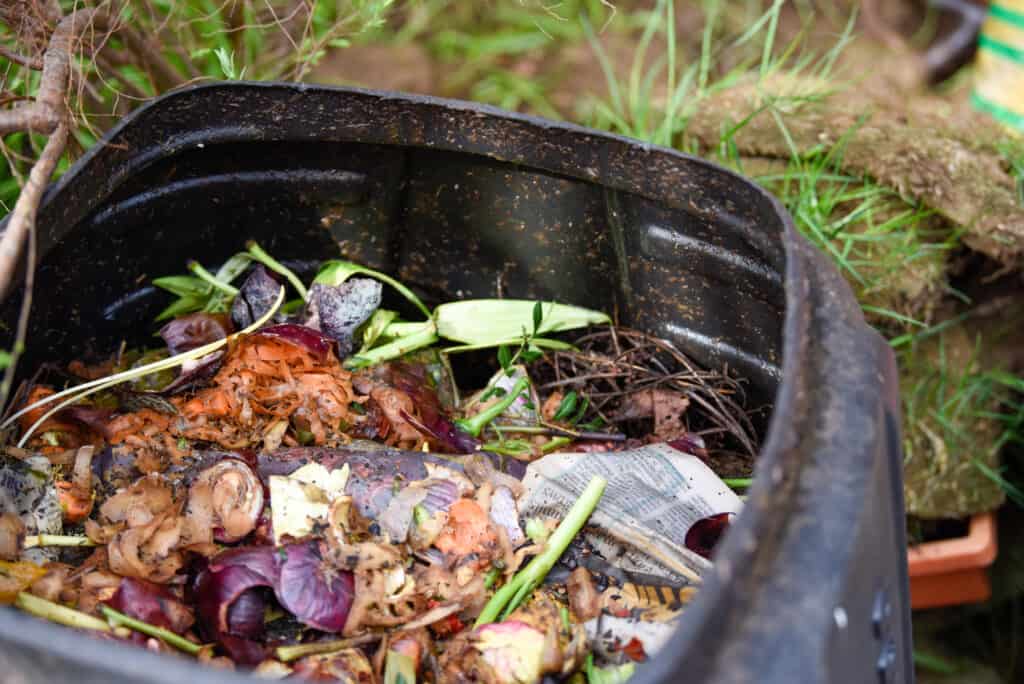
Fall is usually filled with homemade meals, baking projects, seasonal produce, yard work, etc. All of these are great ways to be adding material to your compost, from fruit rinds to squash to those mums that were hit with frost and need to be tossed. away.
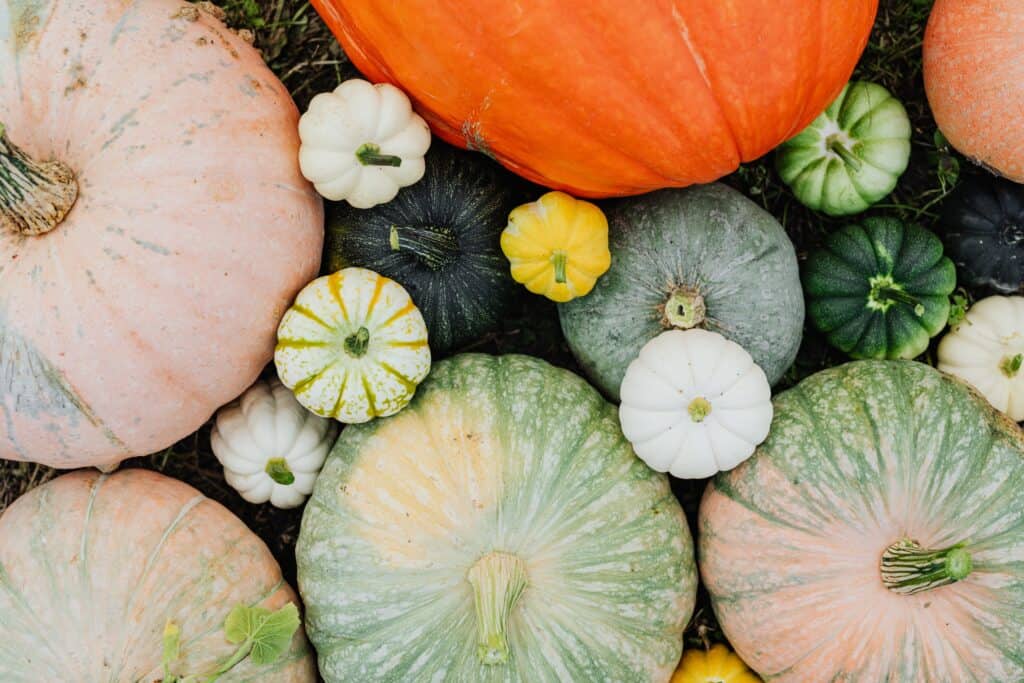
And instead of throwing entire pumpkins in the trash from Halloween, the compost pile is a great spot to. put them.
Food scraps are a wonderful way to feed your compost bin. Even if these materials freeze over winter, by adding to the pile, you will have a great start in the spring.
Fall Composting Prepares Your Garden for Spring
One of the most rewarding reasons to begin composting in the fall is that you’re working toward a healthier garden in the future. Finished compost adds organic matter to soil, helping improve its structure, moisture retention, and ability to support plant growth.
All those fall plants that die and the leaves you rake up are great additions to the compost pile.
When your compost is ready, you can mix it into garden beds, incorporate it into planting areas, or use it as a top dressing around established plants. Adding compost can support beneficial soil organisms and help create a healthier growing environment for flowers, vegetables, herbs, and other plants.
Even if your compost isn’t ready by planting season, the materials you’re collecting now will contribute to future gardening projects.
Start a New Eco-Friendly Habit This Fall
If you’re trying to make your household more eco-friendly, composting is a practical habit that is easy to incorporate into your daily lifestyle.
Fall is the perfect opportunity to start because nature provides so many of the materials you need. Whether you build a backyard compost pile, use a small bin, or participate in a local composting program, every step helps you develop a more sustainable routine.
What Do You Need to Start Composting?
Check out this post on how to start composting.
The basic supplies for getting started are a compost bin, compost crock for the indoors, and something to turn your compost (shovel, pitchfork).