
The Physiological Shift: How Surgery Alters Your Digestive System
 Bariatric surgery is a powerful tool for weight loss and improved health. But many patients face an unexpected challenge afterward: constipation. This common issue can seriously impact your comfort and daily life.
You might already know that drinking enough water and eating fiber are important. However, constipation after bariatric surgery often has deeper causes. It goes beyond just what you eat and drink.
In this extensive guide, we will explore these hidden reasons. We will help you understand why constipation happens and how it affects your body. We will also show you how to identify the signs and offer practical steps for relief. Understanding these complex changes is key to feeling better. For ongoing or severe concerns, it’s vital to consult specialists who understand specific Digestive issues post-bariatric surgery.
Our goal is to give you the knowledge and tools you need. This will help you manage constipation effectively and maintain your long-term digestive health.
Bariatric surgery, while incredibly effective for weight loss, fundamentally changes the way your digestive system works. These changes are not just about a smaller stomach; they encompass anatomical alterations, shifts in hormone production, and even modifications to the gut microbiome. These physiological shifts often contribute significantly to the onset of constipation post-surgery.
How Different Bariatric Procedures Impact Bowel Habits
The type of bariatric surgery you undergo plays a crucial role in how your bowel habits might change. Each procedure alters the digestive tract in unique ways, leading to varying impacts on constipation risk.
- Gastric Sleeve (Sleeve Gastrectomy): This is primarily a restrictive surgery where about 80% of the stomach is removed, leaving a banana-shaped sleeve. The significant reduction in stomach size means you eat much less food. Less food intake often translates to less bulk in the stool, which can slow down transit time and lead to constipation. While some studies show that many people who had constipation before gastric sleeve surgery saw their symptoms improve, about 21% of those who didn’t have constipation before surgery reported experiencing it at their 6-month follow-up. This suggests that while it can help some, it can also induce constipation in others.
- Roux-en-Y Gastric Bypass (RYGB): This procedure involves creating a small stomach pouch and rerouting the small intestine. It combines both restrictive and malabsorptive elements. With RYGB, food bypasses a significant portion of the stomach and small intestine, which can alter nutrient absorption and the speed at which food moves through the digestive tract. Constipation is a frequent complaint after gastric bypass, often due to reduced food volume, altered fluid intake, and changes in gut hormones. However, some patients may also experience diarrhea, particularly if they consume high-sugar or high-fat foods, leading to dumping syndrome. The research indicates that constipation increased from 8% to 27% in patients after bariatric surgery, though this specific increase did not reach statistical significance in all studies.
- Duodenal Switch (Biliopancreatic Diversion with Duodenal Switch): This is a more complex procedure with a significant malabsorptive component. While it also involves a sleeve gastrectomy, a large portion of the small intestine is bypassed. This extensive rerouting is often associated with a higher risk of diarrhea or loose stools. The average patient after a Duodenal Switch typically has 2-3 soft bowel movements per day, but some can experience more frequent and sometimes up to twenty bowel movements daily. This procedure is generally less associated with constipation and more with diarrhea due to the reduced absorption of fats and other nutrients.
Understanding these distinctions is important because the management strategies might vary. While constipation is a common problem after bariatric surgery across the board, the underlying reasons and the balance between constipation and diarrhea risk can be procedure-specific.
The Role of Hormones and Gut Microbiome
Beyond the physical restructuring, bariatric surgery profoundly impacts your body’s internal chemistry, particularly digestive hormones and the delicate balance of your gut microbiome. These changes are “hidden” causes of altered bowel habits.
- Hormonal Shifts: Bariatric procedures can alter the production and release of various gut hormones that regulate appetite, satiety, and digestion. For instance, ghrelin, often called the “hunger hormone,” is significantly reduced after procedures like sleeve gastrectomy, contributing to decreased appetite. However, other hormones like Glucagon-Like Peptide-1 (GLP-1) and Peptide YY (PYY) can increase. These hormones influence gastric emptying and intestinal transit time. Increased levels of GLP-1 and PYY, for example, can slow down the movement of food through the gut, potentially contributing to constipation. The research article “Gastrointestinal changes after bariatric surgery” digs into these complex hormonal alterations and their widespread effects on the digestive system.
- Gut Microbiome Changes: The gut microbiome, the community of bacteria living in your intestines, is crucial for digestion and overall health. Bariatric surgery can lead to significant shifts in this microbial balance. Changes in diet, nutrient absorption, and transit time create a new environment that favors different types of bacteria. An imbalance in the gut microbiome can affect bowel motility and stool consistency, often leading to slower digestion and constipation. While more research is needed, maintaining a healthy gut flora is increasingly recognized as vital for digestive regularity post-surgery.
These intricate physiological adjustments mean that your body is working differently, and these internal factors are often primary contributors to the constipation you might experience.
Identifying and Understanding Your Symptoms
Recognizing the signs of constipation after bariatric surgery is the first step toward effective management. It’s not always just about how often you go; the quality and ease of your bowel movements are equally important.
Are You Constipated? Key Signs to Watch For
Constipation is generally defined as having fewer than three bowel movements per week. However, after bariatric surgery, your definition might need to be more nuanced, as your “normal” can shift. Here are key signs to pay attention to:
- Infrequent Bowel Movements: If you’re having fewer than three bowel movements in a week, or significantly less often than your previous pattern, you are likely constipated. Your new normal might be different, but a noticeable reduction in frequency is a red flag.
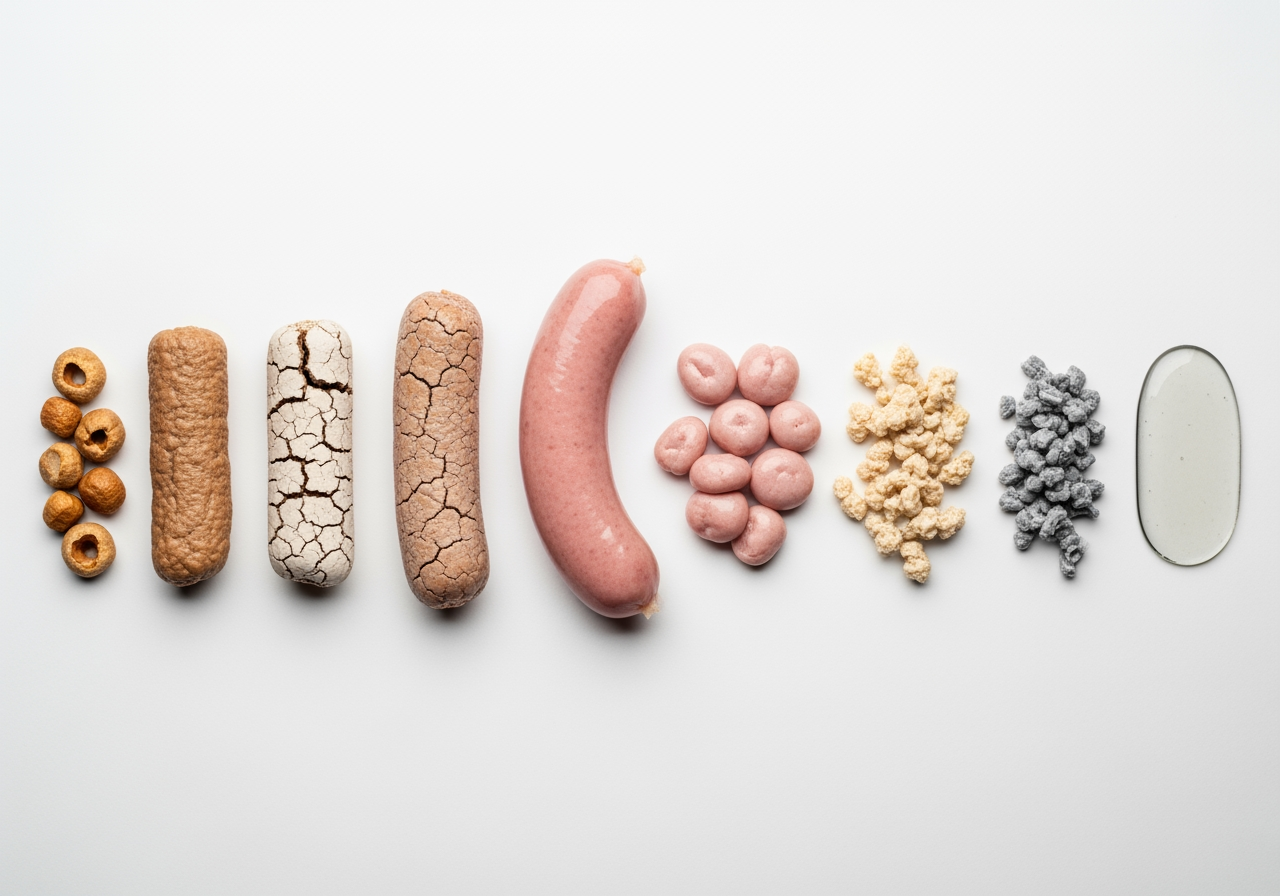
- Hard, Lumpy, or Dry Stools: The consistency of your stool is a critical indicator. Stools that are hard, dry, or appear as small, separate lumps (like rabbit droppings) suggest constipation. The Bristol Stool Form Scale, as shown in the image above, is an excellent visual guide to help you identify healthy versus constipated stool types. Types 1 and 2 on this scale indicate constipation.
- Difficulty or Pain Passing Stool: Straining excessively during a bowel movement, or experiencing pain, discomfort, or bleeding, are clear signs of constipation. This indicates that the stool is too hard or dry to pass easily.
- Feeling of Incomplete Evacuation: Even after a bowel movement, if you feel like you haven’t fully emptied your bowels, this can be a symptom of constipation.
- Abdominal Bloating, Pain, or Cramping: Constipation can lead to a build-up of stool and gas in the intestines, causing abdominal discomfort, bloating, and sometimes sharp pains or cramps.
- Loss of Appetite: In severe cases, significant constipation can lead to a feeling of fullness or discomfort that reduces your appetite.
Constipation following bariatric surgery is normal and common, but it’s crucial to identify it early to prevent more severe issues.
The Post-Op Timeline: Immediate vs. Long-Term Changes
The journey of bowel habits after bariatric surgery often follows a timeline, with different challenges arising at various stages.
- Early Post-Op Period (Immediate to a few weeks): Constipation usually peaks in the early days and weeks after bariatric surgery. During this time, your body is adjusting to the drastic changes in stomach size and diet. Food intake is minimal, often liquid or pureed, and fiber is very low. Pain medications, particularly opioids, commonly prescribed post-surgery, are also a major contributor to constipation. This phase is typically temporary, as your body heals and you gradually reintroduce more foods.
- Body Adjustment Phase (Weeks to Months): As you progress through your post-operative diet, you’ll gradually increase solid food and fiber intake. Your body will continue to adapt to the new anatomy and digestion process. For many patients, constipation improves during this phase as they establish new dietary routines and reduce reliance on pain medication. Interestingly, for those who regularly experienced constipation before surgery, about 45% saw their symptoms improve 6 months after gastric sleeve surgery.
- Long-Term Changes (Months to Years): While often temporary, some people develop long-term constipation, which can last months to years after the surgery. This might be due to persistent low fiber intake, inadequate hydration, ongoing medication use, or chronic changes in gut motility or microbiome. If you’re still constipated a month after your surgery, it’s important to address this with your medical team. Understanding these immediate and long-term effects is key to proactive management and knowing when to seek professional advice.
Foundational Strategies: Diet, Hydration, and Activity
While the physiological shifts are complex, the cornerstones of managing constipation post-bariatric surgery remain consistent: diligent attention to diet, impeccable hydration, and regular physical activity. These strategies are often the most effective first lines of defense.

The Hydration Imperative
After bariatric surgery, your body’s ability to absorb fluids can change, and your capacity to drink large volumes at once is reduced. This makes dehydration a significant risk and a primary contributor to constipation.
- Why it’s crucial: Water adds volume and softness to stool, making it easier to pass. Without sufficient water, stools become hard and dry, leading to straining and discomfort.
- Daily Targets: Aim to drink at least 64 ounces (approximately 1.9 liters) of water per day. Some guidelines recommend 1.5 to 2 liters.
- Tips for Success: Sip, Don’t Gulp: Your smaller stomach can’t handle large amounts of fluid at once. Sip small amounts continuously throughout the day.
- Keep it Handy: Carry a water bottle with you as a constant reminder.
- Water-Rich Foods: As your diet progresses, incorporate water-rich foods like broth, sugar-free popsicles, and eventually fruits and vegetables.
- Avoid Dehydrators: Limit or avoid caffeinated beverages (coffee, tea, soda) and sugary drinks, as they can act as diuretics and contribute to dehydration.
Adequate hydration is perhaps the single most important factor in preventing and treating constipation after bariatric surgery.
Navigating Fiber Intake with a Smaller Stomach
Fiber is essential for healthy bowel movements, but incorporating it effectively after bariatric surgery requires careful planning due to your reduced food volume and altered digestion.
- The Challenge: With a significantly smaller stomach, consuming enough high-fiber foods can be difficult without feeling overly full or experiencing discomfort. Studies show that dietary fiber intake often decreases significantly post-operatively. For example, one study found that fiber intake decreased from an average of 24.4 g/day pre-operatively to 17.5 g/day post-operatively, and only 15% of participants met the recommended daily intake of 30g post-surgery.
- Types of Fiber: Soluble Fiber: Dissolves in water to form a gel-like substance, helping to soften stool. Found in oats, apples, pears, beans, and psyllium.
- Insoluble Fiber: Adds bulk to stool and helps it move through the digestive tract. Found in whole grains, vegetables, and fruit skins.
- Strategic Incorporation: Gradual Introduction: Start slowly. Your bariatric team will guide you on when to introduce fiber.
- Soft, Cooked Vegetables: Initially, focus on well-cooked, pureed, or blended vegetables. Raw vegetables and salads are generally not recommended until at least 2-3 months after surgery, and some patients may not tolerate them until approximately 6 months post-surgery.
- Non-Bulky Sources: Opt for fiber sources that don’t take up too much stomach space. Prunes and pears, for instance, are natural laxatives and good sources of fiber.
- Fiber Supplements: If dietary intake is insufficient, your doctor or dietitian might recommend fiber supplements like Benefiber or Metamucil. Choose non-bulky, soluble fiber supplements that mix easily with liquids. Always take them with plenty of water.
- The Role of Fiber and Hydration: Fiber works best when combined with ample fluid intake. Fiber absorbs water, creating a softer, bulkier stool that is easier to pass. Without enough water, fiber can actually worsen constipation. This highlights why addressing both fiber and hydration (Q10) is critical for effective management.
The Importance of Movement
Physical activity is a powerful tool in preventing and managing constipation after bariatric surgery.
- Stimulating Bowel Function: Movement helps stimulate the natural contractions of the intestinal muscles, which propel stool through the colon. A sedentary lifestyle can slow down this process, leading to constipation.
- Gentle Exercise is Key: You don’t need to engage in strenuous workouts immediately. Even light, regular activity can make a significant difference.
- Walking: Start with short walks around your home or hospital room as soon as your medical team allows. Gradually increase the duration and intensity. Aim for at least 30 minutes of physical activity per day as you recover.
- Gentle Yoga or Stretching: Once cleared, these can improve core strength and flexibility, indirectly supporting bowel function.
- Post-Op Activity Guidelines: Always follow your surgeon’s specific recommendations for physical activity post-surgery. Typically, you’ll be encouraged to walk from day one and gradually increase your activity level over weeks and months. This not only aids digestion but also promotes overall recovery and weight loss.
Advanced GastroDoxs Bariatric Constipation Management
When foundational strategies of diet, hydration, and activity aren’t enough, or if specific factors exacerbate the problem, more advanced management techniques become necessary. This often involves understanding medication side effects and judiciously using over-the-counter or prescription treatments.
Safe Over-the-Counter Options for Relief
For many bariatric patients, over-the-counter (OTC) remedies can provide effective relief from constipation. However, it’s crucial to choose the right type and use them as directed, preferably after consulting your bariatric team.
- Stool Softeners (e.g., Docusate Sodium, Colace): These work by increasing the amount of water absorbed by the stool, making it softer and easier to pass. They are generally gentle and can be used regularly.
- Osmotic Laxatives (e.g., Miralax/Polyethylene Glycol, Milk of Magnesia): These draw water into the colon from the rest of the body, softening the stool and promoting bowel movements. They are also considered safe for regular use. Miralax, in particular, is often recommended by bariatric teams due to its gentle action and effectiveness.
- Bulk-Forming Laxatives (e.g., Psyllium, Methylcellulose): These add bulk to the stool, similar to dietary fiber. They must be taken with plenty of water to prevent worsening constipation or blockages, which can be a challenge with a smaller stomach.
- Avoiding Stimulant Laxatives: Products containing senna or bisacodyl (e.g., Dulcolax) stimulate the bowel muscles directly. While effective for occasional use, long-term or frequent use can lead to dependency and potentially worsen constipation by making the bowel “lazy.” They should generally be avoided unless specifically recommended by your doctor for short-term relief.
Always read labels carefully and follow dosage instructions. If an OTC remedy doesn’t provide relief within a few days, or if your symptoms worsen, it’s time to seek medical advice.
When to Escalate: Prescription-Level GastroDoxs Bariatric Constipation Management
For chronic or refractory constipation that doesn’t respond to dietary changes, lifestyle modifications, and OTC remedies, your healthcare provider may consider prescription medications.
- Medical Consultation: If constipation persists for at least a month after surgery, or if it significantly impacts your quality of life, a medical consultation is warranted. Your gastroenterologist can help determine the underlying cause and tailor a treatment plan.
- Prescription Medications:Linaclotide (Linzess) and Lubiprostone (Amitiza): These medications work by increasing fluid secretion into the intestines, softening stool and promoting bowel movements. They are often prescribed for chronic idiopathic constipation or irritable bowel syndrome with constipation (IBS-C).
- Other options: Depending on the specific cause and your medical history, other prescription medications that improve gut motility or address underlying issues might be considered.
Seeking a specialist for persistent Digestive issues post-bariatric surgery is a critical step. They have the expertise to steer the complexities of post-surgical digestion and can provide personalized care.
Red Flags: Seeking Professional GastroDoxs Bariatric Constipation Management
While some constipation is common and manageable after bariatric surgery, certain symptoms warrant immediate medical attention. These “red flags” indicate a potentially serious complication that requires prompt evaluation by your bariatric team or a gastroenterologist.
- Severe Abdominal Pain: Intense or worsening abdominal pain, especially if accompanied by bloating or tenderness.
- Persistent Vomiting: Inability to keep down fluids or food, particularly if vomiting is forceful or contains bile.
- No Bowel Movement for Over 4 Days (or as advised by your surgeon): While reduced frequency is expected, a complete absence of bowel movements for an extended period, especially with other symptoms, is concerning.
- Rectal Bleeding: Any amount of fresh blood in your stool or on toilet paper, or dark, tarry stools, should be reported immediately.
- Signs of Fecal Impaction: This can include leakage of liquid stool (encopresis) around a blockage of hard stool, abdominal swelling, nausea, or a feeling of rectal fullness without being able to pass stool.
Ignoring these symptoms can lead to serious complications such as bowel obstruction, perforation, or severe dehydration. Always err on the side of caution and contact your medical team if you experience any of these warning signs.
Frequently Asked Questions about Bariatric Surgery and Bowel Health
We understand that you likely have many questions about managing your bowel health after bariatric surgery. Here, we address some of the most common concerns.
How does constipation after bariatric surgery compare to other types of weight loss surgery?
The likelihood and nature of bowel habit changes can vary significantly depending on the specific bariatric procedure performed.
- Restrictive Procedures (e.g., Gastric Sleeve): These surgeries primarily reduce the size of the stomach, limiting food intake. As a result, patients consume less food and often less fiber, leading to less stool bulk. This is a common cause of constipation. The decrease in bowel motion frequency and change towards firmer stools suggest prolonged intestinal transit time after these procedures.
- Malabsorptive Procedures (e.g., Duodenal Switch): These procedures involve rerouting a significant portion of the small intestine, leading to reduced absorption of nutrients, especially fats. This often results in softer stools or even diarrhea. The average patient after the Duodenal Switch has 2-3 soft bowel movements per day, and some may experience more frequent and loose stools. Therefore, constipation is less common with highly malabsorptive procedures.
- Combined Procedures (e.g., Roux-en-Y Gastric Bypass): RYGB combines restriction with a degree of malabsorption. While it can lead to dumping syndrome (often characterized by diarrhea) if certain foods are consumed, constipation is also a frequent complaint. This is often due to the reduced food volume, altered fluid intake, and changes in gut hormones that affect motility.
In summary, restrictive procedures are commonly associated with constipation due to reduced intake and hormonal changes. Malabsorptive procedures are more likely to cause diarrhea or loose stools. Gastric bypass can lead to either, but constipation is a frequent complaint. Researchers do not currently know if gastric sleeve surgery leads to more or less constipation compared to other types of bariatric surgery, but it is a normal side effect of bariatric procedures in general.
Can constipation after bariatric surgery be permanent?
For the vast majority of patients, constipation after bariatric surgery is a temporary issue. It typically peaks in the early days and weeks post-surgery while the body is still adjusting to the smaller stomach size and changed diet. As patients heal, increase their fluid intake, gradually incorporate fiber, and become more active, bowel habits often normalize.
However, for some individuals, constipation can become a long-term or chronic issue, lasting months to years after the surgery. This can be due to a variety of factors including persistent low fiber intake, inadequate hydration, ongoing use of certain medications (like iron supplements or pain relievers), or underlying changes in gut motility that don’t fully resolve. If constipation persists for a month or more after your surgery, it’s crucial to discuss this with your medical team. They can help identify any contributing factors and develop an ongoing management plan to prevent long-term complications and maintain your quality of life.
Do the required vitamin and mineral supplements cause constipation?
Yes, certain vitamin and mineral supplements commonly prescribed after bariatric surgery are well-known for contributing to constipation.
- Iron Supplements: Iron is crucial to prevent anemia, a common complication after bariatric surgery. However, iron supplements are a frequent cause of constipation. They can also make stools appear dark or black.
- Calcium Supplements: Calcium is vital for bone health, and bariatric patients often need increased supplementation. Some forms of calcium, particularly calcium carbonate, can contribute to constipation.
If you suspect your supplements are a primary cause of your constipation, do not stop taking them without consulting your bariatric team or doctor. Nutritional deficiencies are a serious concern after bariatric surgery. Your healthcare provider can advise on strategies to mitigate these side effects, such as:
- Changing the type of supplement: For example, switching to different forms of iron or calcium that may be less constipating.
- Adjusting dosage or timing: Sometimes taking supplements with food or at different times of the day can help.
- Increasing fluid and fiber intake: These foundational strategies are even more important when taking constipating supplements.
Always discuss any concerns about supplement side effects with your medical team to ensure you maintain essential nutrient levels while managing your bowel health.
Conclusion
Managing constipation after bariatric surgery goes beyond simply drinking more water. It requires a comprehensive understanding of the profound anatomical and hormonal changes your body has undergone. By focusing on hydration, appropriate fiber intake, regular activity, and knowing when to seek medical advice, you can effectively steer this common post-operative challenge. A proactive and informed approach is your best tool for maintaining long-term digestive health and well-being on your weight loss journey.