
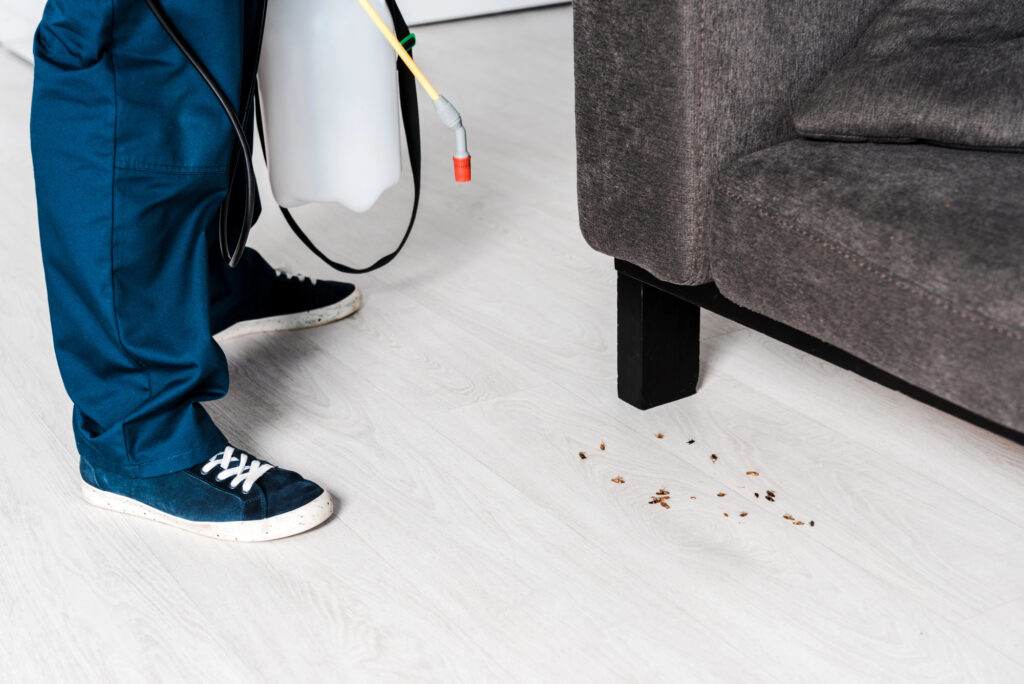
Bed bugs, scientifically known as Cimex lectularius, have been a persistent nuisance for humans for centuries. These tiny, nocturnal creatures are notorious for their ability to hide in mattresses, bed frames, and other furniture, emerging at night to feed on human blood. Over the years, as their resistance to common pesticides has grown, the need for innovative and effective eradication strategies has become paramount.
The Resurgence of Bed Bugs
The resurgence of bed bugs globally can be attributed to increased international travel, changes in pest control practices, and the bugs’ growing resistance to chemicals that were once effective. Bed bugs have become more resilient, adapting to survive in various environments and withstanding chemical treatments that were previously efficient in controlling their populations.
Traditional Methods and Their Limitations
Historically, bed bug eradication relied heavily on chemical pesticides. However, over-reliance on these chemicals has led to the development of resistance among bed bug populations. This resistance is often due to the indiscriminate use of pesticides, which can select for bed bugs that can survive chemical exposure and pass on their resistant traits to offspring.
Innovative Approaches to Bed Bug Control
In response to the limitations of traditional methods, new strategies have emerged, focusing on integrated pest management (IPM) approaches. These methods combine chemical treatments with non-chemical measures to effectively manage and eliminate bed bug infestations.
Heat Treatments
One of the most effective non-chemical strategies is the use of heat treatments. Bed bugs are highly sensitive to temperature, and exposing them to temperatures above 120 degrees Fahrenheit can effectively kill them at all life stages. Heat treatments are eco-friendly and often more effective than chemical treatments, as they can penetrate furniture and other hiding places where bed bugs reside.
Cold Treatments
Another innovative method involves the use of extreme cold. Cryonite, a method that uses carbon dioxide snow to freeze bed bugs, is gaining popularity. This treatment is non-toxic and can be applied directly to infested areas, killing bed bugs instantly without leaving residues.
Biological Control
Researchers are also exploring the use of biological control agents, such as natural predators and pathogens, to manage bed bug populations. Although still in the experimental stages, this approach offers a promising eco-friendly alternative to chemical treatments.
Detection and Monitoring Technologies
Advancements in detection technologies, such as canine scent detection and electronic monitoring devices, are improving the ability to identify infestations early. Early detection is crucial in managing and eliminating bed bug infestations effectively, as it allows for prompt intervention before populations can grow.
The Role of Professional Exterminators
Professional exterminators play a critical role in bed bug eradication. A skilled Bed bug exterminator can assess the extent of an infestation, determine the most effective treatment strategy, and ensure thorough application. Their expertise is invaluable, especially in cases of severe infestations or when traditional methods fail.
Conclusion
As bed bugs continue to adapt and resist traditional control methods, the evolution of eradication strategies is essential. By employing a combination of innovative techniques, such as heat and cold treatments, biological control, and advanced detection technologies, we can effectively combat these resilient pests. Collaborating with professional exterminators ensures that infestations are managed efficiently, safeguarding our homes and health from the persistent threat of bed bugs.