Pipe leaks can cause significant damage to your home, leading to costly repairs and potential health hazards. Understanding practical steps for prevention and knowing how to respond when leaks occur is essential for every homeowner. Learning about Pipe Repair options can also provide peace of mind and help you manage any issues effectively.
Addressing leaks before they escalate not only protects your property but also helps maintain a safe and comfortable living environment. Whether you’re handling an older plumbing system or new installations, taking these measures ensures your household runs efficiently.
Attention to your drains is also necessary for maintaining a leak-free home. Issues such as aging pipes or tree roots can result in more extensive problems. If you suspect a blockage or an issue deeper in your plumbing, consider professional Sewer Line Repairs to resolve potential complications before they impact your home’s plumbing system.
1. Conduct Regular Inspections
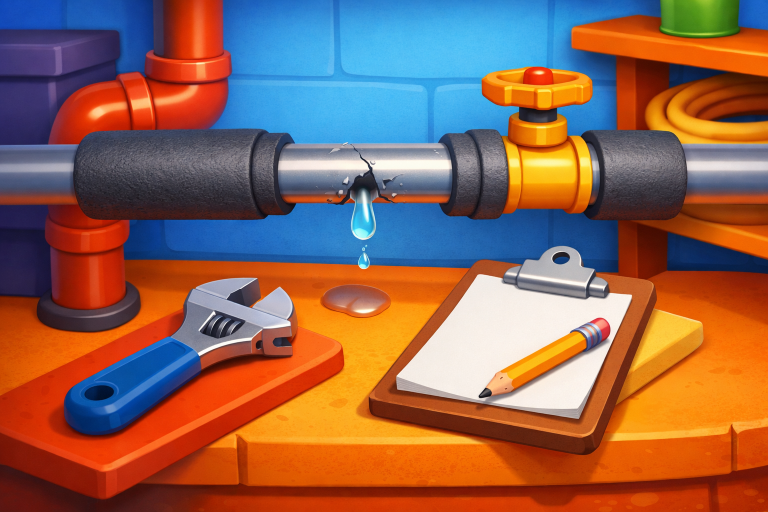
Regular inspections are the first step in preventing leaks. Examine all visible pipes in places like the basement, under sinks, and along walls. Check for any signs of rust, corrosion, or pooled moisture. Taking time once every few months can help you identify minor problems before they cause substantial damage. Proactive inspections are one of the most effective ways to keep your plumbing in good shape.
2. Insulate Your Pipes
Cold temperatures can cause pipes to freeze and burst, leading to major leaks. Insulate exposed pipes, especially those in unheated areas such as basements, attics, or garages. Foam sleeves or pipe wrap materials are easy to install and help regulate temperatures around your plumbing, reducing the risk of freezing.
3. Monitor Water Pressure
Maintaining balanced water pressure is vital for your pipe’s longevity. Water pressure that is too high can stress pipes and increase the chance of leaks. Use a pressure gauge on your outdoor faucet to check the level, which should ideally stay between 40 and 60 psi. If it’s higher, installing a pressure regulator can protect your pipes and fixtures.
4. Avoid Harsh Chemical Drain Cleaners
Chemical drain cleaners might seem convenient, but they can strip and weaken your pipes over time, especially if used regularly. For blockages, use mechanical drain snakes or plungers. Persistent clogs may need a professional assessment to avoid further damage. The Consumer Reports organization highlights the risks of overusing chemical cleaners and recommends alternative clog removal methods.
5. Address Minor Leaks Promptly
Even a small leak can become a big problem if left unresolved. Dripping faucets or damp spots behind walls or under sinks indicate a problem requiring immediate attention. Tighten connections, replace damaged washers, or patch small pinholes using epoxy putty. If a leak persists, call for professional repair to address the root cause and prevent recurrence.
6. Prepare for Winter
Frozen pipes are a primary source of leaks during colder months. Before winter, let faucets drip slowly if temperatures are expected to drop below freezing. Open cabinets below sinks to allow warm air to flow around plumbing. Ensure outdoor hoses are detached and outside water valves are shut off and drained. These steps can prevent water from freezing and causing splits inside the pipes.
7. Know Your Main Water Shutoff Valve
Knowing how to quickly shut off your main water valve can mean the difference between minor cleanup and costly repairs. Make sure everyone in your household knows where the shutoff valve is located and how to turn it off. Test your valve occasionally to confirm it’s in proper working order. In case of a major leak or a burst pipe, acting swiftly is important to minimize water damage.
8. Seek Professional Help When Necessary
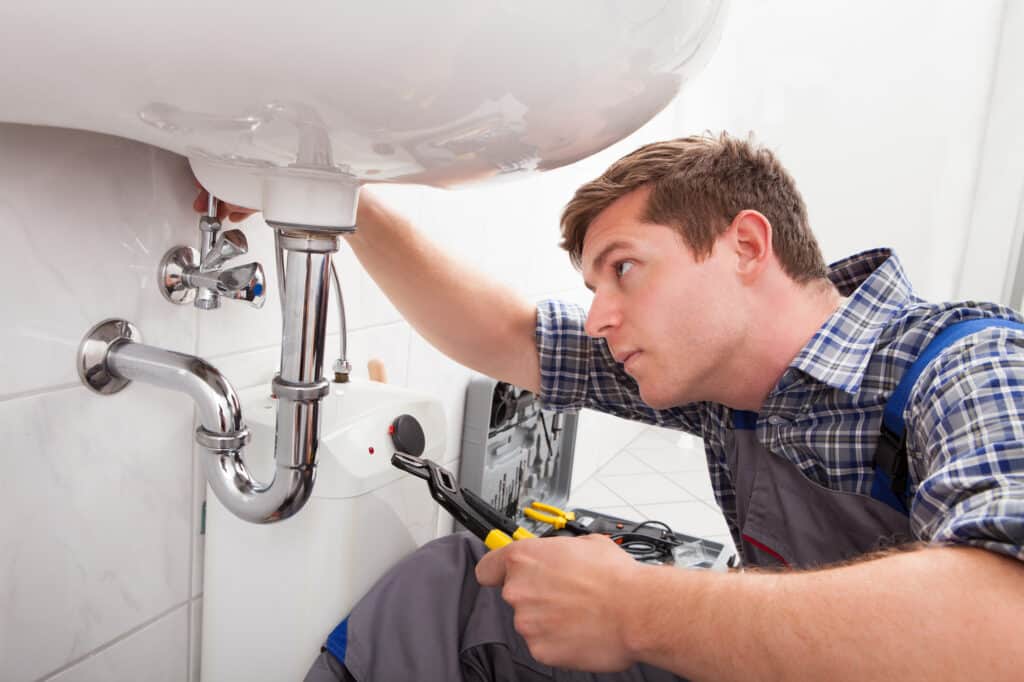
Some plumbing issues are complex and require the training of a licensed plumber. If you encounter unusual noises, recurring leaks, or slow drainage, do not hesitate to call for expert assistance. Regular professional inspections can catch developing problems in your system even when they’re not visible or immediately obvious.
Taking these proactive steps allows you to prevent most pipe leaks and respond quickly if a problem arises. Combining regular maintenance with professional help as needed ensures your home remains safe and your plumbing system functions efficiently.
Long-Term Maintenance Strategies
Focusing on long-term maintenance is equally important as responding quickly to immediate problems. Schedule annual inspections for your plumbing system, ideally prior to seasonal shifts when pipes are most vulnerable. Maintaining a record of your findings, such as areas where rust develops or sections of pipe that receive frequent repairs, can help you and your plumber anticipate future issues. Replacing high-risk plumbing materials, such as old galvanized pipes, with modern alternatives like PEX or copper, will greatly reduce the likelihood of leaks.
Consider Your Water Quality
Poor water quality, including high mineral content or acidity, can accelerate the deterioration of pipes. Hard water, which contains excessive calcium and magnesium, builds up inside pipes and restricts flow, raising pressure and increasing leak risk. Water softeners or filtration systems can be installed to address such concerns. Additionally, test your water for contamination at least once a year. Early detection of possible issues can prevent both pipe damage and health hazards that might affect your family.
Educate Your Household
Empowering other members of your household with basic plumbing knowledge supports quick intervention when problems arise. Everyone should know the signs of a leak, the location and operation of the water shutoff valve, and basic steps such as turning off appliances in the event of a suspected leak. Host an annual “plumbing safety drill” to ensure everyone is comfortable with emergency procedures. Effective communication and readiness can reduce panic and help keep your home safe and free from unnecessary water damage.
Ultimately, a balanced routine of prevention, detection, and timely action makes all the difference. By taking responsibility for your plumbing’s health and knowing when to bring in expert help, you’ll extend your system’s lifespan, avoid costly repairs, and keep your living space secure year-round.