Designing Functional Outdoor Living Spaces
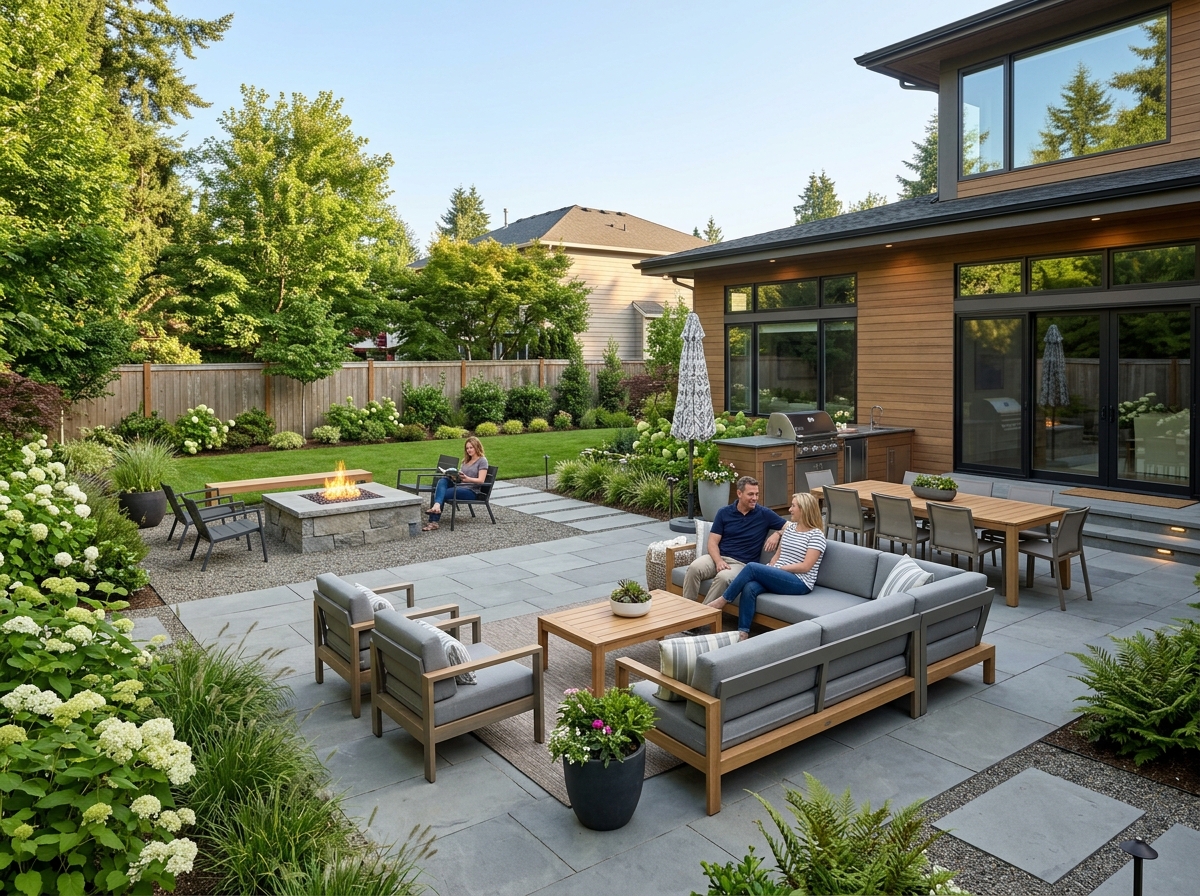
Transforming an outdoor area into a truly functional living space requires thoughtful design that mirrors the comfort and utility we expect from our indoor environments. It’s about more than just placing furniture; it’s about creating an integrated extension of your home, where every element serves a purpose and contributes to the overall experience. A multi-zone approach tailored to your lifestyle is key to achieving seamless integration.
Effective design begins with understanding how you envision using your outdoor space. Do you dream of lively dinner parties, quiet mornings with a book, or energetic play areas for children? By defining these activities, we can strategically plan circulation paths, ensure clear sightlines between areas, and select materials that withstand the elements while enhancing aesthetic appeal. For a deeper dive into how lifestyle influences design, consider exploring resources such as Terra Outdoor’s guide to Outdoor Living Space Design: A Multi-Zone Retreat.
Material selection is paramount for longevity and ease of maintenance. The choice of flooring, furniture, and structural components directly impacts durability and weather resistance. For instance, while natural teak offers classic beauty, modern composite materials provide exceptional longevity with minimal upkeep.
Material Type Durability Rating Weather Resistance Maintenance Level Teak High Excellent Moderate (oiling) Powder-Coated Aluminum High Excellent Low Wrought Iron High Good Moderate (rust prevention) Composite Decking Very High Excellent Very Low Solution-Dyed Acrylic High Excellent Low Beyond materials, addressing environmental factors like sun exposure, wind, and dust is crucial for year-round usability. Strategic landscaping, shade structures, and thoughtful placement can mitigate these challenges. Furthermore, incorporating sustainable practices, such as xeriscaping, can significantly reduce water usage—by up to 80% in some cases—making your outdoor oasis environmentally friendly and cost-effective.
The investment in a well-designed outdoor living space offers substantial returns. According to the National Association of Realtors, homeowners can recover as much as 95% of the cost of their patio when selling their home. This financial benefit, coupled with the enhanced lifestyle, makes a compelling case for prioritizing functional outdoor design.
Zoning for Lounging, Dining, and Recreation in Outdoor Living Spaces
Creating distinct functional zones is the cornerstone of a versatile and enjoyable outdoor living space. Just as you wouldn’t place your dining table in your bedroom, your outdoor areas benefit from clear delineation for different activities. This thoughtful arrangement ensures that each zone serves its purpose effectively without encroaching on others, resulting in a more harmonious, better-utilized backyard.
When planning your zones, consider the scale of your furniture in relation to the space and the intended activity. A large, comfortable sectional might be perfect for a lounging area, while a smaller, more upright dining set will define your al fresco eating spot. Crucially, pay attention to traffic flow. Pathways should be generous and intuitive, guiding guests smoothly from one area to another without feeling cramped or obstructed. Maintaining open sightlines also enhances the sense of spaciousness and connectivity, allowing individuals in different zones to feel part of the larger gathering still.
For instance, a dedicated dining area might feature a large table and chairs, conveniently located near an outdoor kitchen or grill. Adjacent to this, a lounging zone could offer plush seating, perhaps around a fire pit, encouraging relaxed conversation. If you have active recreation in mind, such as a play area for children or a sports court, consider placing it where it can be easily supervised from a passive lounging area, yet buffered enough to prevent disruption. Planter buffers, for example, can effectively separate a bocce ball court from a quiet reading nook, ensuring safety and visual appeal.
Designing a truly multifunctional outdoor space requires a holistic approach that envisions how different activities will coexist and complement one another. For professional insights into integrating various elements, you might consult experts in the field, such as those who specialize in Volpe Service outdoor living spaces, who can help tailor designs to your specific needs. This Old House also offers valuable advice on designing a Multifunctional Outdoor Space, emphasizing the importance of thoughtful planning to maximize utility and enjoyment. By carefully segmenting your backyard into purposeful zones, you unlock its full potential, transforming it into a dynamic environment that caters to every aspect of your outdoor lifestyle.
Selecting Durable Materials for Weather Resistance
The longevity and aesthetic appeal of your outdoor living space hinge significantly on the materials you choose. Exposed to sun, rain, wind, and varying temperatures, outdoor furnishings and structures demand robust, weather-resistant components. Investing in high-quality materials from the outset prevents premature wear and tear, reducing the need for frequent replacements and ensuring your space remains beautiful and functional for years to come.
When it comes to outdoor furniture, solution-dyed acrylic fabrics are a top choice for cushions and upholstery. Unlike conventionally dyed fabrics, the color is integrated into the fiber itself, making them exceptionally resistant to fading from UV exposure and less prone to mildew. For frames, powder-coated aluminum offers a lightweight, rust-proof, and durable option that can withstand diverse climates. Wrought iron, while heavier, provides classic elegance and impressive strength, though it may require occasional maintenance to prevent rust.
Natural woods like teak and acacia are highly prized for their inherent weather resistance. Teak, in particular, contains natural oils that repel water and deter pests, allowing it to age gracefully into a beautiful silvery-grey patina without extensive treatment. Acacia, a more budget-friendly alternative, also offers good durability when properly sealed. For decking and structural elements, composite materials made from a blend of wood fibers and recycled plastics have gained immense popularity. These offer superior resistance to rot, insects, and splintering, often coming with extensive warranties and requiring minimal maintenance beyond occasional cleaning.
For surfaces like patios and walkways, concrete, pavers, natural stone, and brick are excellent choices. Each offers distinct aesthetic and performance characteristics. Concrete is durable and affordable; pavers offer flexibility and good drainage, while natural stone offers an organic, luxurious feel. The key is to select materials that not only complement your home’s style but are also engineered to endure your local climate. A comprehensive guide like “Create Your Perfect Outdoor Living Space: A Complete Guide” from nordoffers.com can provide further insights into material selection and overall design. By prioritizing durability and weather resistance, we ensure that your outdoor investment brings lasting comfort and enjoyment.
Addressing Environmental Challenges and Privacy
An ideal outdoor living space should be a comfortable sanctuary, protected from harsh environmental elements and offering a sense of seclusion. Successfully addressing challenges like intense sun exposure, strong winds, dust, and the need for privacy transforms a mere backyard into a truly livable and inviting extension of your home.
While desirable, sunlight can be overwhelming during peak hours. Strategic shade solutions are essential for comfort and usability. Options range from simple, portable shade umbrellas to more permanent structures like pergolas, gazebos, and awnings. Pergolas, often adorned with climbing vines, offer filtered light and a charming aesthetic, while retractable awnings provide on-demand shade. For ultimate control, mechanical louvers can be adjusted to block or let in sunlight as needed, adapting to the sun’s position throughout the day.
Wind can be a nuisance, scattering lightweight items and making outdoor areas feel less hospitable. Implementing wind barriers can significantly improve comfort. This can be achieved through strategically placed solid walls, fences, or dense evergreen hedges. These natural or built structures not only block wind but can also serve as attractive design elements, adding architectural interest to your space.
Privacy is often a top concern, especially in urban or suburban settings. Creating secluded zones enhances relaxation and encourages more frequent use of your outdoor areas. Tall, dense evergreen hedges or trees provide year-round screening, offering a natural and aesthetically pleasing boundary. Ornamental planters with tall grasses or trellises with climbing plants can offer quick and flexible privacy solutions, particularly for decks and patios. Decorative screens, privacy walls, or even outdoor curtains can also define personal spaces and shield them from prying eyes.
Dust, especially in drier climates or areas prone to wind, can be managed through careful landscaping choices and surface materials. Hardscaping with pavers, concrete, or stone, combined with mulched garden beds, can minimize exposed soil that contributes to dust.
For more practical tips on integrating landscaping solutions for privacy and environmental control, resources like the University of Florida’s IFAS Gardening Solutions offer valuable insights on Outdoor Living Spaces. By proactively addressing these environmental challenges and planning for privacy, we can ensure your outdoor living space is a comfortable, protected, and truly personal retreat.
Enhancing Ambiance and Long-Term Maintenance
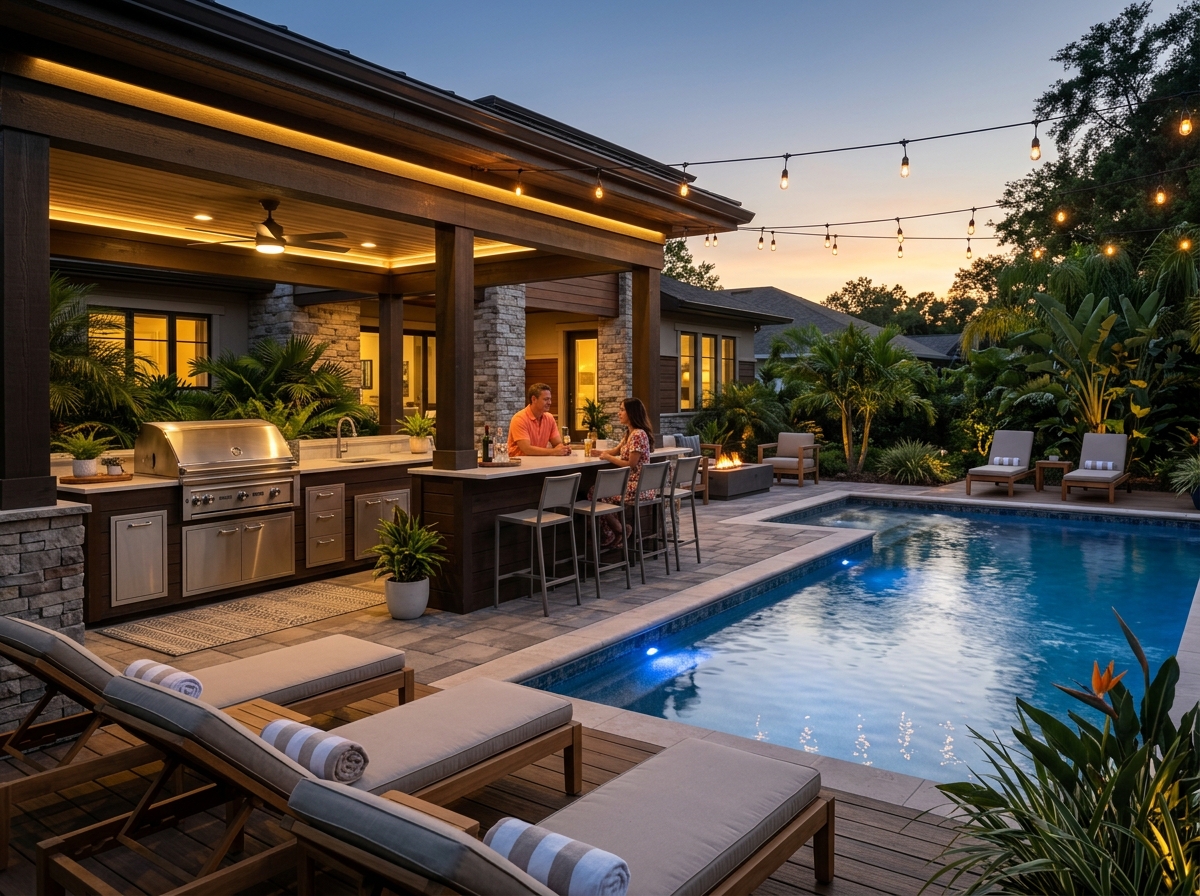
Beyond functionality, the true magic of an outdoor living space lies in its ambiance—that intangible quality that makes you want to linger, relax, and connect. Ambiance is crafted through a careful blend of functional aesthetics, incorporating elements like sophisticated lighting, integrated technology, and captivating features that engage the senses. Imagine a poolside kitchen bathed in warm, layered lighting, where the aroma of a delicious meal mingles with the subtle scent of night-blooming jasmine.
Modern outdoor living spaces often feature smart technology, from automated lighting systems and soundscapes to motorized pergolas that adjust with the touch of a button, offering shade or starlight on demand. These innovations not only enhance convenience but also contribute to a luxurious, resort-like feel. For instance, a well-designed outdoor kitchen is a hub of activity and enjoyment, requiring careful planning of a “kitchen work triangle” for efficiency, typically measuring 12-25 feet in total, to ensure easy access between the prep, cooking, and cleanup zones. Companies specializing in Florida Outdoor Living Spaces often incorporate these advanced features into their designs.
The allure of these spaces is undeniable, transforming ordinary backyards into extraordinary destinations. However, the long-term enjoyment of these investments depends heavily on diligent maintenance. Just as a luxury car requires regular servicing, your outdoor oasis needs consistent care to preserve its beauty and functionality. From routine cleaning to seasonal weatherproofing and professional audits, a proactive maintenance strategy ensures that every feature, from the intricate landscaping to the robust outdoor kitchen, remains in pristine condition. This commitment to upkeep safeguards your investment and allows you to fully relish the enhanced ambiance and comfort for years to come. For those in the St. Petersburg area, companies offering Luxury Outdoor Living & Landscaping can provide expert guidance on both design and maintenance, ensuring your space remains a jewel.
Integrating Water Features and Outdoor Living Spaces
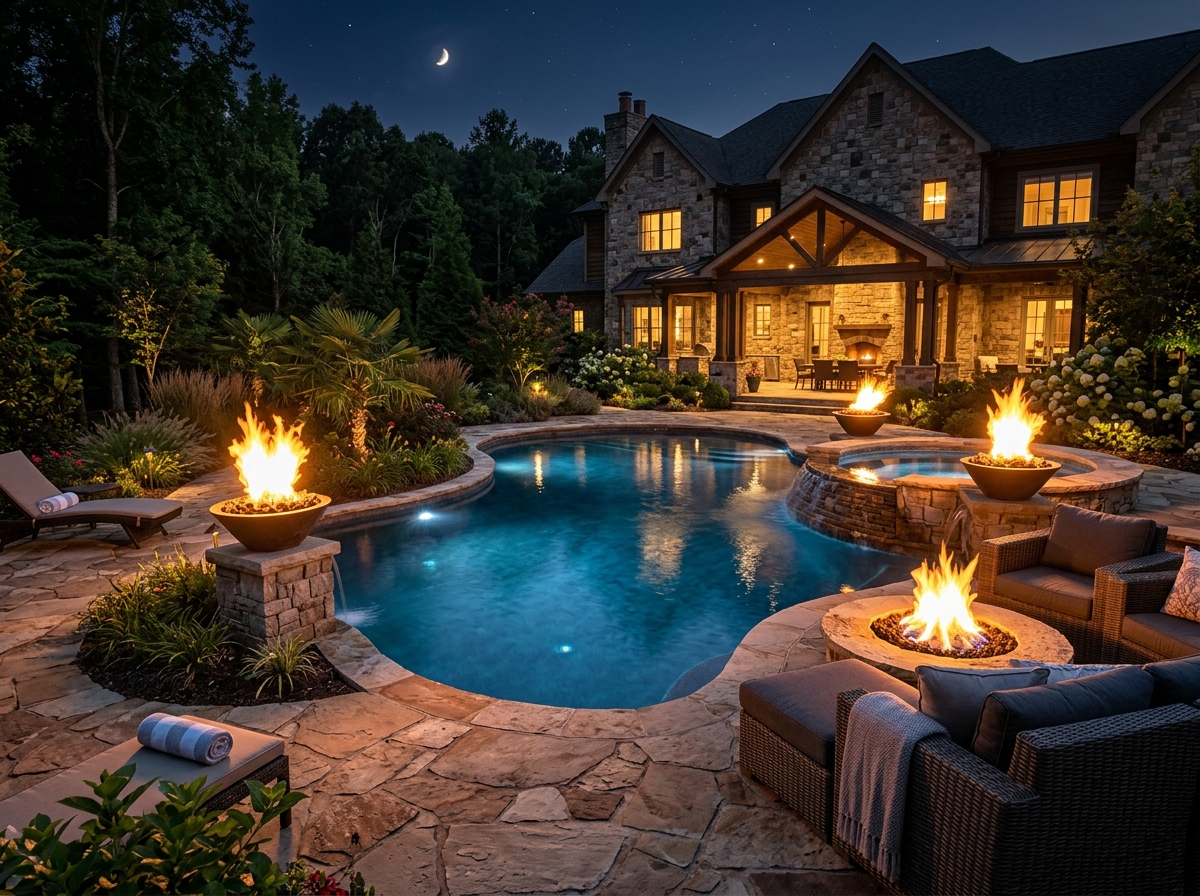
Water features are arguably one of the most transformative additions to any outdoor living space, instantly elevating ambiance and creating a serene, resort-like atmosphere. The gentle sound of flowing water can mask urban noise, providing a calming backdrop for relaxation, while the visual appeal adds a dynamic focal point to your design. When seamlessly integrated, water features become an extension of your living environment, inviting tranquility and luxury.
For many, the ultimate water feature is a custom pool, serving as the centerpiece of an outdoor oasis. Beyond just swimming, modern pools are designed with integrated living in mind. Imagine lounging by the water’s edge, the pool shimmering under the stars, or enjoying a refreshing dip steps from your outdoor kitchen. For those in cooler climates, or simply extending the swimming season, an Outdoor living heated pool installation can ensure year-round enjoyment, transforming a seasonal amenity into a constant source of recreation and relaxation.
Beyond the main pool, smaller water elements can add significant charm. Koi ponds introduce a touch of nature and a meditative quality, while cascading waterfalls or elegant fountains provide visual interest and soothing sounds. These features can be strategically placed to complement lounging areas or define transition zones within your backyard.
Fire features, when combined with water, create a captivating contrast of elements that is both dramatic and inviting. Fire pits, typically 36 to 48 inches in diameter in residential settings, offer a natural gathering point, fostering warmth and conversation. Imagine a custom pool design where fire bowls are strategically placed around the perimeter, their flickering flames reflecting off the water’s surface, enhancing the evening’s magic. Underwater LED lighting in pools and surrounding water features further amplifies this effect, creating a mesmerizing glow that extends the usability and beauty of your space well into the night.
Companies specializing in creating elegant outdoor living spaces, such as Elegant Outdoor Living in Sarasota, understand how to blend these elements artfully. They can design custom solutions that reflect your personal style and maximize the sensory experience of your outdoor environment. By thoughtfully integrating water features with other outdoor living components, we create a truly immersive and luxurious retreat that captivates and delights.
A 7-Step Framework for Pristine Feature Maintenance
Maintaining the pristine condition of your outdoor living space is crucial for preserving its beauty, functionality, and the significant investment it represents. A proactive, systematic approach to maintenance ensures longevity and allows you to enjoy your outdoor oasis without constant worry. Here’s a 7-step framework to keep your outdoor features in top shape year-round:
- Routine Structural Inspection: Regularly check the integrity of all built structures—pergolas, decks, patios, walls, and outdoor kitchen frames. Look for signs of wear, loose fasteners, cracks, or shifting foundations. Early detection of issues can prevent minor problems from escalating into costly repairs.
- Surface Debris Removal: Keep all surfaces clear of leaves, dirt, and other organic debris. This prevents staining, mold, and mildew growth and provides a clean aesthetic. Sweep patios and decks regularly, and clear gutters on pergolas or outdoor kitchen roofs.
- Protective Sealant Application: For natural materials like wood, stone, or pavers, periodic sealing is essential. This protects against moisture penetration, UV damage, and staining, extending the life and appearance of the materials. Follow manufacturer recommendations for frequency, typically every 1-3 years for wood and stone.
- Water Chemistry Balancing (for pools/spas): If your outdoor space includes a pool or spa, maintaining proper water chemistry is non-negotiable. Regular testing and balancing of pH, chlorine, and alkalinity levels prevent algae growth, protect equipment, and ensure a safe, enjoyable swimming environment.
- Mechanical Equipment Testing: For features like outdoor kitchens, lighting systems, and irrigation, routinely test all mechanical components. Check that outdoor kitchen appliances are functioning correctly, lights illuminate as intended, and irrigation systems are free of clogs or leaks. Address any malfunctions promptly.
- Seasonal Weatherproofing: Prepare your outdoor space for seasonal changes. In colder climates, this might involve winterizing outdoor kitchen plumbing and covering furniture. In areas prone to heavy rain or humidity, ensure proper drainage is functioning and consider using moisture-resistant covers for furnishings.
- Annual Professional Audit: Even with diligent DIY maintenance, an annual professional audit can be invaluable. Experts can identify subtle issues, perform specialized cleaning, and offer insights into optimizing your space for longevity and performance. This is particularly beneficial for complex systems like outdoor kitchens and large-scale hardscaping. For comprehensive outdoor living solutions, including maintenance advice, consider professionals such as those who handle Outdoor Living Areas and Outdoor Kitchens in Pinellas, Florida, FL. By adhering to this framework, we ensure that your outdoor living space remains a source of pride and enjoyment for many years to come.
Budget-Friendly Solutions for Small Backyards
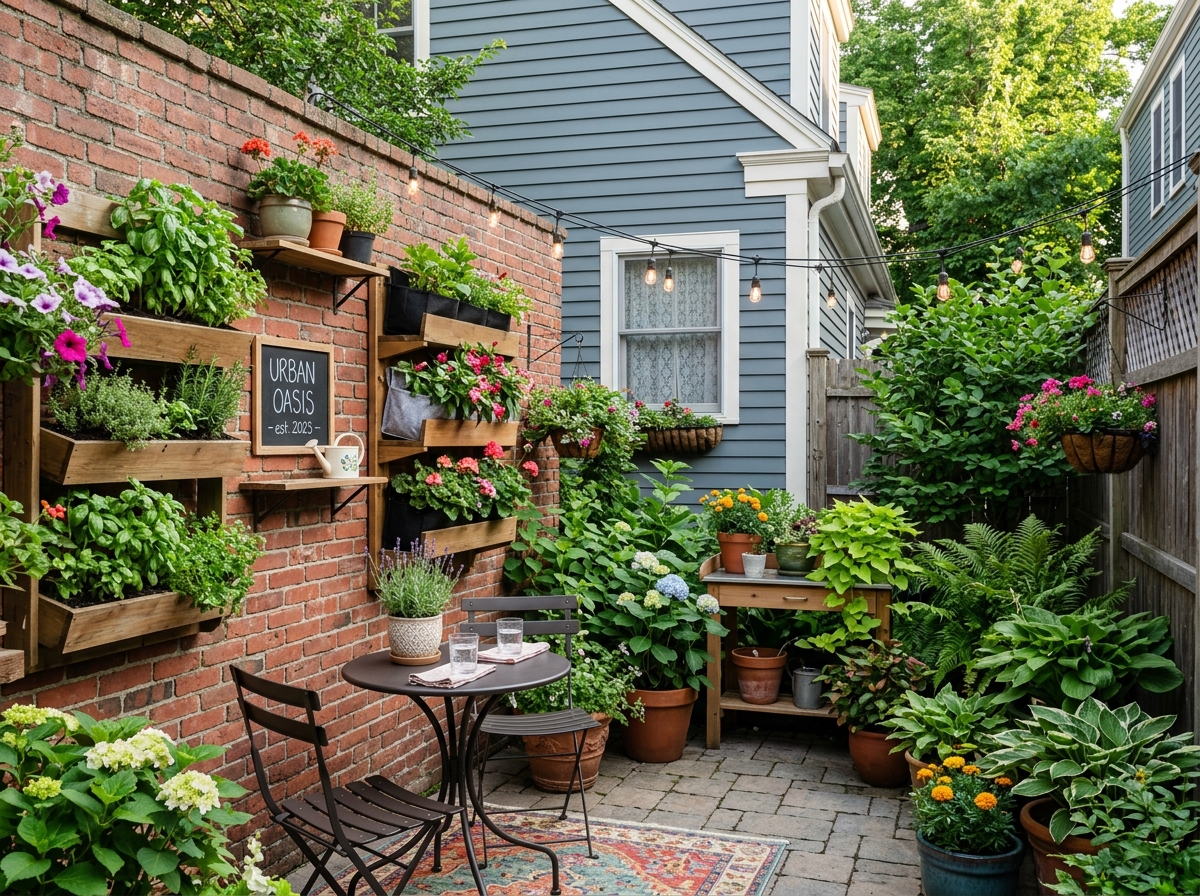
Even a small backyard or patio can be transformed into a captivating outdoor living space without breaking the bank. The key lies in smart design choices, multi-functional elements, and a touch of creativity. For urban dwellers or those with limited outdoor square footage, maximizing every inch is paramount.
One of the most effective strategies for small spaces is vertical gardening. Instead of spreading horizontally, grow upwards! Vertical planters, living walls, or trellises with climbing plants add lush greenery and privacy without consuming precious ground space. This technique creates an illusion of depth and brings nature closer, even in compact areas.
Multi-functional furniture is another essential for small backyards. Opt for pieces that serve more than one purpose: benches with hidden storage, ottomans that double as extra seating or side tables, or modular seating arrangements that can be reconfigured as needed. Bistro sets are perfect for intimate dining and can be easily tucked away when not in use.
Lighting plays a crucial role in defining ambiance and extending the usability of a small space into the evening. String lights draped across a patio or pergola create a cozy, festive atmosphere. Solar-powered lanterns or pathway lights are an energy-efficient and easy-to-install option. Even a few strategically placed outdoor candles can add warmth and charm.
For a touch of warmth and gathering, a DIY fire bowl can be a surprisingly budget-friendly addition. Simple designs using concrete tree rings or repurposed metal bowls can provide a safe and inviting focal point for evening relaxation, perfect for roasting marshmallows or simply enjoying the flickering flames. Always ensure local fire codes are followed.
To make a small space feel larger, incorporate elements that create an illusion of space. Using a consistent flooring material throughout or strategically placing mirrors on an outdoor wall can make an area appear more expansive. Introducing different levels, perhaps with a raised planter bed or a slightly elevated deck section, adds visual interest and defines zones without the need for physical barriers.
The goal is to create a sense of purpose and comfort, regardless of size. With thoughtful planning and clever solutions, even the most compact backyard can become an extraordinary outdoor retreat. For more inspiration on making the most of any outdoor area, you can explore resources from companies like Extraordinary Outdoor Spaces, which often highlight creative solutions for diverse environments. By focusing on smart, scalable ideas, we can craft an outdoor living space that feels expansive and luxurious, without the need for a sprawling property or a hefty budget.