
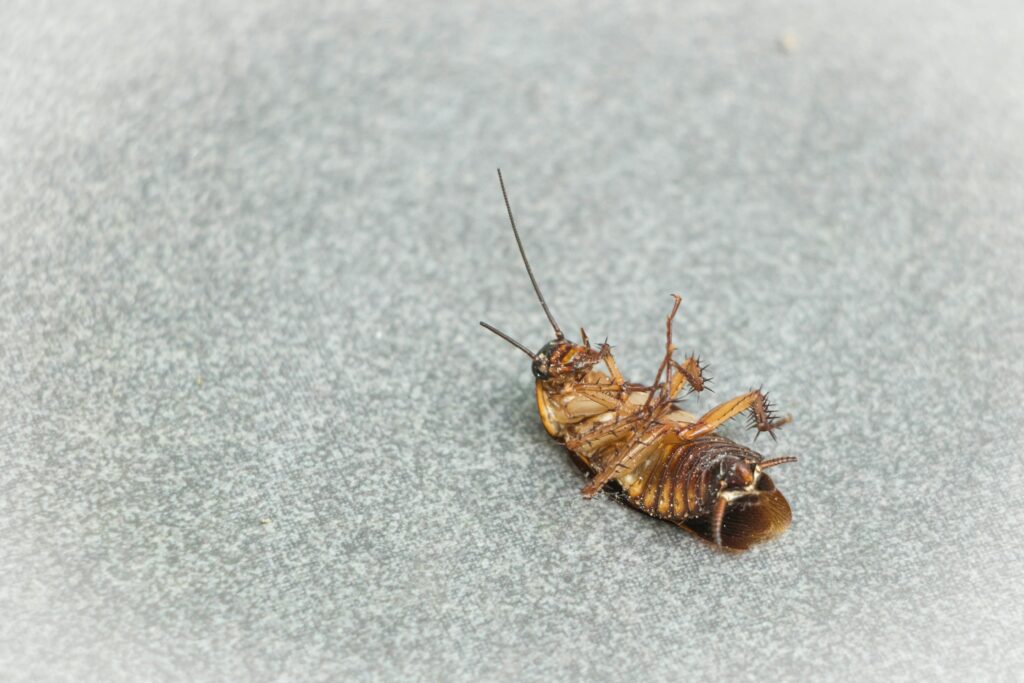
Homeowners in Northern Virginia face a unique array of pest challenges due to the region’s diverse climate and vibrant local ecosystems. With each season comes a fresh set of potential invaders, from determined ants trekking across the kitchen in springtime to mice seeking warmth in the cold Virginia winter. Adopting a strategic, year-round approach to pest management is vital for residents who want to keep their homes healthy and comfortable. For ongoing support and to stay ahead of seasonal pest issues, partnering with a local expert like Green Pest Services ensures your home stays protected year-round. This guide covers targeted, actionable tips customized for the Northern Virginia area, leveraging the latest best practices in prevention and community insights. By addressing home vulnerabilities before pests become a problem, you can reduce the risk of infestations and unwanted surprises.
Spring: Prevention Before Infestation
In Northern Virginia, spring marks the return of warmth and moisture, providing the perfect recipe for common pests like ants, termites, and mosquitoes to re-emerge. These insects are particularly active in the wet, mild springs typical of the region, and may seek shelter or food sources in residential areas. To reduce the chance of a springtime invasion:
- Seal Entry Points: Walk the perimeter of your home and thoroughly seal cracks, gaps, and holes around doors, windows, and foundations. Even small openings can be exploited by ants and termites looking for a new colony site.
- Eliminate Standing Water: Mosquitoes lay eggs in stagnant water, so check flowerpots, gutters, and yard debris for pooling rainwater to stop their breeding cycle early.
- Schedule Inspections: Spring is when termites typically swarm in the region. Booking a professional inspection, especially if you notice flying insects near wooden structures, can catch an issue before structural damage occurs.
Summer: Defense Against Common Pests
As the heat and humidity rise in Northern Virginia, homeowners see an uptick in nuisance pests such as ants, cockroaches, and the ever-persistent stink bug. Local conditions, including heavy rainfall followed by hot days, create the ideal environment for mold, fungus gnats, and flies, too. Defend your home using these strategies:
- Maintain Cleanliness: Take out the trash daily, clean up crumbs quickly, and wipe kitchen counters regularly to starve ants and cockroaches of food sources.
- Use Natural Repellents: Place mint or clove oil on cotton balls near entryways, doors, and windowsills to deter stink bugs, a notorious local nuisance. For more details on eco-friendly pest repellents, visit Tom’s Guide.
- Install Screens: Make sure all window and door screens are intact and fit snugly, especially before hosting cookouts or enjoying the outdoors. This practice helps protect your home from flies and mosquitoes, which are common in the summer months.
Fall: Preparing for Overwintering Pests
In the Mid-Atlantic, pests such as spiders, rodents, and boxelder bugs rush indoors as outdoor temperatures dip by late September and October. Fall is the prime time to tighten your home’s defenses before these creatures seek refuge inside:
- Seal Cracks and Gaps: Reapply caulk and upgrade weather stripping around windows and exterior doors, focusing on the basement and attic, which are favored hiding spots for fall invaders.
- Store Firewood Properly: Stack firewood at least 20 feet from your home’s walls, as piles close to the foundation attract mice, termites, and over-wintering beetles.
- Clean Gutters: Remove autumn leaves from gutters to minimize moisture and organic matter build-up, preventing both structural issues and a welcome mat for pests.
Winter: Protecting Against Indoor Invaders
When freezing temperatures set in, local pests such as mice, rats, and spiders look for warmth and food inside houses. With Northern Virginia’s cold snaps, residents should focus on these key winter strategies:
- Inspect Attics and Basements: Regularly check for evidence of rodents like droppings, nests, or gnaw marks in seldom-visited spaces, and immediately address any breach.
- Maintain Cleanliness: Store pantry items in tight-sealing containers and clean up food spills promptly to cut off food supplies for unwanted guests.
- Monitor for Signs: Listen for scratching or squeaking sounds at night, check for chewed food packaging, and place humane no-kill mouse traps if you suspect an infestation.
General Pest Prevention Tips
- Regular Inspections: Keep an eye on your home’s interior and exterior, noting anything unusual, such as insect wings, webbing, or droppings.
- Proper Waste Management: Use bins with tight-fitting lids and dispose of garbage frequently to keep odors and pests at bay.
- Landscaping Maintenance: Trim bushes, keep grass short, and avoid letting branches or ivy touch siding, so pests cannot travel from the yard to entry points.
When to Call Professional Pest Control
Some pest problems prove too persistent for DIY solutions. If preventive measures do not resolve the issues, or if you observe clear signs of infestation, contacting a local pest management provider is the safest choice. Professionals can assess local risks, use environmentally safe treatments, and offer custom advice based on Northern Virginia’s distinct conditions. Early intervention can prevent property damage and health risks.
Conclusion
Year-round pest prevention in Northern Virginia requires vigilance, practical seasonal adjustments, and awareness of local risks. By staying informed and acting quickly, homeowners can keep their households free of the region’s most common pests. Implement these tips, monitor your environment, and do not hesitate to seek professional input for comprehensive protection of your property. Regular maintenance and early detection are key to preventing small issues from becoming costly infestations. Simple habits such as keeping storage areas organized, reducing moisture buildup, and checking vulnerable entry points can make a significant difference over time. Each season brings different pest challenges, so adapting your prevention methods ensures stronger, long-term protection. When needed, professional pest control services provide expert solutions tailored to local conditions, helping safeguard both your home and peace of mind throughout the year.