Essential Components Covered in Residential Garage Door Maintenance
 Our homes rely on many systems working well, and the garage door opener is one of the most used. For homeowners with home garage door openers in Easton, MD, a malfunctioning system can be more than just an annoyance. It can disrupt daily routines, compromise security, and even pose safety risks. The coastal climate in Easton adds unique challenges, causing wear and tear that can shorten the lifespan of these essential devices. We understand the frustration of a noisy or unresponsive garage door. This guide will explore why regular garage door repair and maintenance is critical for keeping your home garage door opener running smoothly, safely, and efficiently for years to come.
For a deeper dive into all aspects of residential garage door services, explore our comprehensive guide on Garage Door Solutions. If you need immediate assistance or wish to schedule maintenance, please Contact Our Team.
A garage door system is a complex assembly of interconnected parts, each playing a vital role in its overall function and safety. Regular maintenance extends beyond simply lubricating moving parts; it involves a thorough inspection and adjustment of several key components to ensure they are operating correctly and safely. Understanding these essential components helps homeowners in Easton, MD, appreciate the depth of professional maintenance. This includes scrutinizing the integrity of the hardware, assessing door balance, and ensuring track alignment, all of which are critical for the smooth and safe operation of your garage door opener.
Inspection of Springs and Cables
The springs and cables are arguably the most critical components of a garage door system, bearing the immense weight of the door itself. Most residential garage doors utilize either torsion springs, located directly above the door, or extension springs, running parallel to the horizontal tracks. These springs are under extreme tension, counterbalancing the door’s weight to make it feel light enough for the opener to lift.
During a professional inspection, technicians meticulously examine these springs for signs of fatigue, rust, or damage. For torsion springs, this includes checking for gaps in the coils, which indicate a break. For extension springs, the focus is on the integrity of the spring itself and the safety cables that run through them, designed to prevent the spring from flying across the garage if it breaks.
Lifting cables, typically made of braided steel, connect the bottom of the door to the spring system, winding around drums as the door opens and closes. Technicians look for fraying, rust, or kinks in these cables, which can compromise their strength and lead to dangerous malfunctions. Proper tension balance across the entire spring system is paramount. If the springs are not correctly tensioned, the garage door opener will be forced to work harder, leading to premature wear and potential failure. An unbalanced door can also drop unexpectedly, posing a significant safety hazard. Furthermore, all associated hardware, such as pulleys, bearings, and mounting brackets, are checked for wear, tightness, and corrosion, especially given Easton’s coastal environment where rust can accelerate component degradation.
Testing Opener Safety Features
Modern garage door openers are equipped with crucial safety features designed to prevent accidents and protect people and property. Regular testing of these features is not just a recommendation; it’s a necessity. The auto-reverse mechanism is a primary safety standard. When the door encounters an obstruction while closing, this mechanism should immediately reverse the door’s direction. A professional test involves placing an object (like a roll of paper towels) in the door’s path to ensure it reverses upon contact. If it doesn’t, it indicates a serious safety flaw that requires immediate attention.
Photo-eye sensors, typically small electronic eyes located a few inches off the ground on either side of the garage door opening, create an invisible beam. If this beam is broken while the door is closing, the door should stop and reverse. During maintenance, technicians verify that these sensors are properly aligned, clean, and functioning. Misalignment or dirt on the lenses can prevent them from detecting obstructions, rendering this critical safety feature useless.
Many contemporary garage door openers also come with a battery backup system, a feature particularly valuable in areas prone to power outages. This system ensures that the garage door can still be opened and closed during a loss of electricity, providing continued access and security. During maintenance, the battery’s charge and overall health are assessed to confirm it will function when needed.
Finally, with the rise of smart home technology, many garage door openers now integrate smart controls, allowing homeowners to operate and monitor their garage door from a smartphone app. While primarily a convenience feature, these smart controls can also offer security benefits, such as remote monitoring and alerts. During maintenance, connectivity and functionality of these smart features are often checked to ensure seamless operation within the home’s smart ecosystem.
Key Advantages of Routine System Upkeep
Routine maintenance for your home garage door opener in Easton, MD, offers a multitude of benefits that extend far beyond simply keeping the door moving. It’s an investment in safety, security, and the longevity of a vital home system. From mitigating the effects of Easton’s unique coastal climate to ensuring quiet and reliable operation, the advantages are clear.
Coastal Climate Impact on Garage Doors
Easton, MD’s coastal location, while picturesque, presents specific environmental challenges for garage door systems. The combination of high humidity, salt air, and fluctuating temperatures can accelerate wear and tear on components. High humidity levels contribute to the corrosion of metal parts, including springs, cables, hinges, and tracks. This rust not only weakens the components but also increases friction, leading to louder operation and greater strain on the opener.
Temperature fluctuations, common throughout the year in the Mid-Atlantic region, can cause materials to expand and contract. This constant movement can lead to track warping, where the metal tracks become misaligned, causing the door to bind or operate unevenly. Weather seals, designed to keep out moisture and drafts, can also degrade faster in this environment, becoming brittle or cracked and compromising the garage’s insulation and protection from the elements.
Regular maintenance specifically addresses these coastal challenges. Technicians apply specialized lubricants designed to resist moisture and corrosion, protecting metal components. They inspect and adjust track alignment to compensate for environmental shifts and replace worn weather seals to maintain an effective barrier against the elements. This proactive approach helps to prevent premature failure and costly repairs that can arise from the specific climate conditions in Easton. For comprehensive information on how to handle these regional challenges and ensure your system’s durability, you can explore resources on general garage door repair and maintenance.
Long-Term Benefits of Residential Garage Door Maintenance
The long-term advantages of consistent maintenance are compelling. Firstly, it significantly extends the lifespan of your garage door opener and the entire door system. By addressing minor issues before they escalate, lubricating moving parts, and ensuring proper alignment, you reduce stress on the motor and other components, allowing them to operate efficiently for many years. This proactive care helps you avoid the expense of premature replacement.
Secondly, routine upkeep plays a critical role in enhancing home security. A well-maintained garage door operates reliably, closing fully and securely every time. Faulty openers or damaged doors can leave your garage vulnerable to intrusion. Maintenance ensures all locking mechanisms, safety sensors, and the opener itself are functioning correctly, providing a robust barrier against unauthorized access.
Thirdly, maintenance is a powerful tool for failure prevention. Imagine needing to leave for work or an emergency, only to find your garage door stuck. Regular inspections identify potential points of failure, such as worn springs, frayed cables, or a weakening motor, allowing for timely repairs or adjustments. This minimizes the inconvenience and potential safety risks associated with unexpected breakdowns.
Finally, consistent maintenance ensures smooth and quiet operation. Over time, components can become stiff, misaligned, or corroded, leading to grating, squeaking, or grinding noises. Lubrication, adjustment, and replacement of worn parts restore the door to its optimal, quiet performance, enhancing the overall comfort and tranquility of your home. This attention to detail not only preserves the functionality of your system but also contributes to the overall value and enjoyment of your property.
Preventing Common Mechanical Issues
Preventing common mechanical issues in your home garage door opener system is largely about proactive care and observation. Many problems that lead to costly repairs or complete system failure can be avoided with simple, regular attention. Understanding the typical points of wear and tear, especially in a dynamic environment like Easton, MD, empowers homeowners to take preventative steps.
Seasonal Checklist for Residential Garage Door Maintenance
Just as you prepare your home for changing seasons, your garage door opener benefits from a seasonal tune-up. This proactive approach helps mitigate the effects of varying temperatures and humidity. Here’s a checklist for homeowners in Easton, MD:
- Hinge Lubrication: At least twice a year, apply a high-quality garage door lubricant to all hinges, rollers, and bearings. This reduces friction, prevents rust, and ensures smooth, quiet operation. Avoid using WD-40, which can attract dirt and grime; opt for silicone-based or lithium grease sprays.
- Bolt Tightening: Vibrations from daily operation can cause bolts and fasteners to loosen over time. Periodically check all nuts, bolts, and screws on the tracks, hinges, and opener mounting brackets. Tighten any that appear loose, but avoid overtightening, which can strip threads.
- Sensor Cleaning: The photo-eye sensors can accumulate dust, dirt, or spiderwebs, especially during changing seasons. Use a soft, damp cloth to wipe the lenses clean. This ensures the safety beam remains unobstructed and functional.
- Weatherstripping Inspection: Examine the weatherstripping along the bottom of the door and around the door frame. Look for cracks, tears, or signs of deterioration. Damaged weatherstripping compromises insulation and allows moisture and pests into the garage. Replace it as needed.
- Balance Test: Disconnect your opener (pull the emergency release cord) and manually lift the door halfway. It should stay in place without assistance. If it drifts up or down, the springs are out of balance and require professional adjustment.
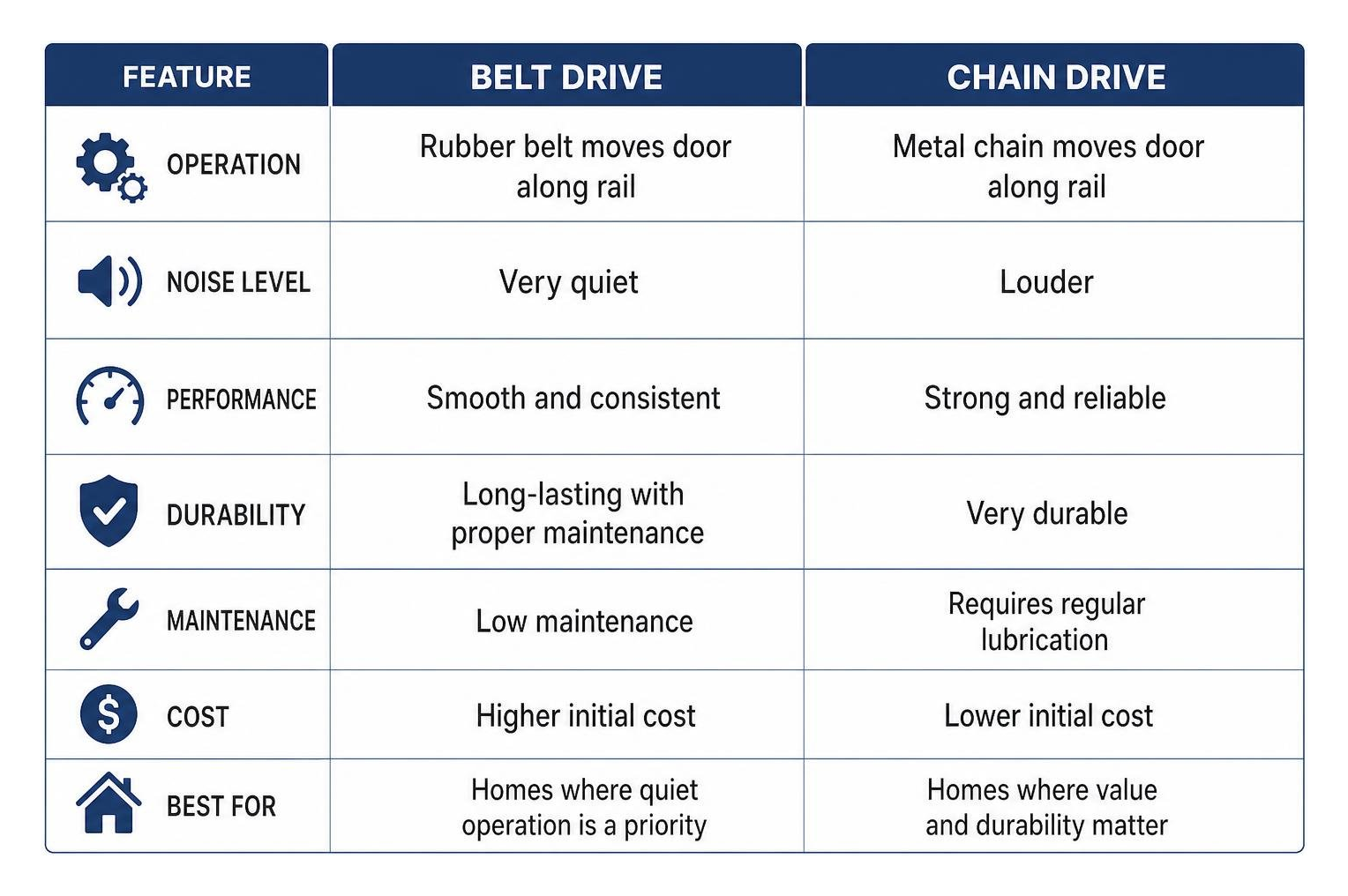
- Opener Chain/Belt Check: For chain-drive openers, check the tension of the chain. It should have about half an inch of slack. For belt-drive openers, inspect the belt for signs of wear or fraying. Adjust tension if necessary, following your opener’s manual.
Following this seasonal checklist can significantly reduce the likelihood of unexpected breakdowns and prolong the life of your garage door system.
Recognizing Signs of System Wear
Being attuned to the subtle (and sometimes not-so-subtle) cues your garage door system provides can help you identify problems early, preventing them from escalating into major issues.
- Unusual Noises: A healthy garage door operates relatively quietly. Any new or worsening sounds—grinding, squealing, scraping, popping, or excessive rattling—are red flags. These often indicate worn rollers, loose hardware, dry bearings, or issues with the opener’s motor or chain/belt. A professional can diagnose the source of the noise and recommend the appropriate fix.
- Jerky Motion: If your garage door moves unevenly, stutters, or gets stuck at certain points, it’s a sign of trouble. This could be due to misaligned tracks, worn rollers, an unbalanced door, or issues with the opener’s drive system. A jerky motion puts immense strain on the opener and can lead to premature failure.
- Slow Response: A garage door that takes longer than usual to open or close, or responds intermittently to remote commands, might indicate a weakening opener motor, electrical issues, or problems with the remote’s battery or signal. While a slow response might seem minor, it can be a precursor to a complete breakdown.
- Sagging Panels: Visually inspect your garage door panels. If you notice any sagging, bending, or warping, especially in the middle, it could be a sign of structural weakness in the door itself, or an indication that the springs are no longer adequately supporting its weight. Sagging panels compromise the door’s integrity and can lead to further damage.
- Remote Inconsistencies: If your remote control only works sometimes, or only from a very close distance, it might be a simple battery issue. However, if new batteries don’t solve the problem, it could point to interference, a failing receiver in the opener, or issues with the remote’s transmitter.
Addressing these signs promptly with professional inspection and repair can save you significant time, money, and hassle in the long run.
Here’s a comparison of common garage door opener drive types:
Frequently Asked Questions About Residential Garage Door Maintenance
Homeowners in Easton, MD, often have specific questions about maintaining their garage door openers, particularly concerning frequency, modern technology integration, and personal safety checks. We aim to address these common inquiries to empower you with the knowledge needed for optimal garage door care.
How often should garage door systems be inspected?
The general recommendation for garage door system inspections is at least once a year. However, for homes in Easton, MD, where the coastal climate can accelerate wear and tear, a bi-annual check-up might be more beneficial. This is particularly true if your garage door is your primary entry point to the home or if it experiences heavy daily use.
An annual inspection by a professional technician ensures all components are thoroughly examined, lubricated, and adjusted. This includes checking spring tension, cable integrity, roller condition, track alignment, and the functionality of all safety features. A routine tune-up during these visits can catch minor issues before they become major problems, ultimately extending the life of your system and maintaining its safety and efficiency. Consider scheduling these checks before the harsh winter and after the humid summer months to best prepare your system for seasonal changes.
Can home automation integrate with modern garage door openers?
Absolutely. The landscape of home automation has expanded significantly, and modern garage door openers are at the forefront of this technological integration. Today, many new garage door openers come equipped with smart Wi-Fi capabilities, allowing them to connect seamlessly with your home’s existing smart ecosystem.
This integration offers a wealth of benefits, including remote monitoring and control via a smartphone app. Imagine being able to check if your garage door is closed from anywhere in the world, or receiving instant notifications if it’s opened unexpectedly. You can grant temporary access to delivery personnel or service providers, and even integrate your garage door opener with other smart home devices like security cameras or lighting systems for enhanced security and convenience. This level of connectivity not only simplifies daily routines but also adds an extra layer of security and peace of mind for homeowners.
What safety checks should homeowners perform regularly?
While professional annual or bi-annual inspections are crucial, there are several simple yet vital safety checks homeowners can perform regularly to ensure their garage door opener is operating safely. These checks take only a few minutes but can prevent serious accidents.
- Sensor Testing: At least once a month, test your photo-eye sensors. Place an object (like a cardboard box or a broom handle) in the path of the closing door. The door should immediately stop and reverse. If it doesn’t, clean the sensor lenses and retest. If the problem persists, professional service is required, as this is a critical safety failure.
- Visual Inspection: Every few weeks, take a moment to visually inspect your entire garage door system. Look for any obvious signs of wear, such as frayed cables, broken springs, bent tracks, or loose hardware. Also, pay attention to the condition of the rollers and hinges. Early detection of these issues can prevent more significant damage or safety hazards.
- Balance Test: As mentioned earlier, perform the balance test every few months. Disconnect the opener by pulling the emergency release cord (only when the door is fully closed) and manually lift the door halfway. It should stay in place. If it falls or springs up, the springs are out of balance and require professional adjustment. Do not attempt to adjust springs yourself, as they are under extreme tension and can be very dangerous.
These routine safety checks, combined with professional maintenance, form a comprehensive approach to keeping your home garage door opener in Easton, MD, safe, reliable, and efficient for years to come.
Conclusion
The garage door opener is an often-overlooked yet indispensable component of our daily lives and home security. For residents of Easton, MD, the unique coastal climate adds layers of complexity, making proactive care not just a convenience but a necessity. By understanding the essential components of your garage door system, recognizing the signs of wear, and adhering to a schedule of both professional inspections and homeowner safety checks, you can significantly prolong the life of your opener and ensure its reliable, safe operation.
Investing in routine maintenance is an investment in your home’s longevity, security, and your family’s safety. It mitigates the costly impact of unexpected breakdowns, enhances your property’s value, and provides the peace of mind that comes with a well-functioning system. Embrace the power of proactive care for your home garage door opener; it’s the smartest way to protect your property and ensure smooth, reliable access for years to come.