A pest-resistant home is built through regular maintenance, not a single dramatic fix. Pests look for dependable access to food, water, shelter, and entry points, so everyday details such as a leaking pipe, open pantry package, or worn door sweep can matter. Homeowners looking for practical prevention ideas can find additional pest and home-service information at pointepest.com.
Seeing an ant, spider, or other occasional visitor does not automatically mean a home is unclean or infested. However, repeated activity often means conditions are making the space easier to enter or more comfortable to occupy. A room-by-room routine helps address those conditions before a small issue becomes harder to manage.
Why Prevention Starts at Home
Most pest prevention comes down to reducing opportunity. A small gap around plumbing can allow ants indoors, while crumbs near a sink and a slow drip can give them reasons to return. Clutter, damp materials, unsecured food, and unsealed openings can create similar opportunities for many household pests.
Use an Integrated Pest Management Approach
Integrated pest management, often called IPM, is a practical method that combines inspection, prevention, monitoring, and carefully selected control measures. The principles of integrated pest management emphasize identifying the pest and correcting conditions before relying on broad pesticide use.
- Identify what you are seeing and where it appears.
- Remove accessible food, water, and hiding places.
- Seal gaps and repair damaged screens or weatherstripping.
- Monitor the area for repeated activity.
- Use any pest-control product only as directed on its label.
Begin With the Exterior
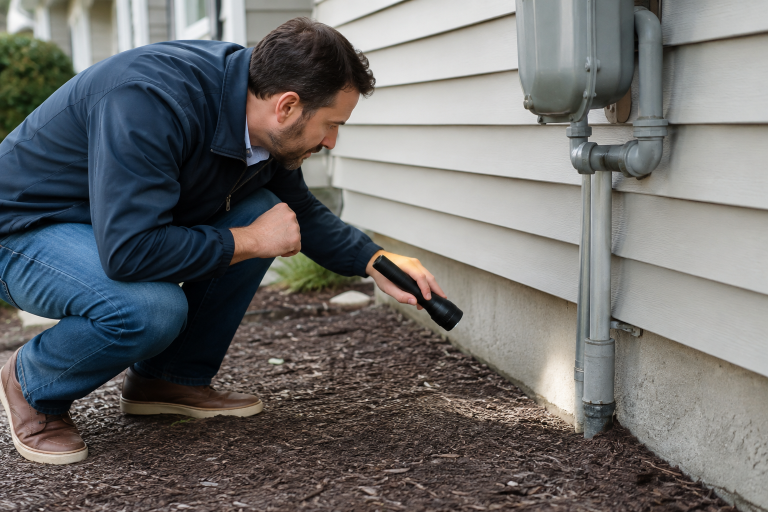
The exterior is the first line of defense. Take 15 minutes each month to walk around the home and look for cracks in the foundation, gaps near utility lines, loose siding, damaged screens, and spaces beneath exterior doors. Check garage-door edges, crawl-space openings, roof vents, and areas where pipes or cables enter the structure.
Also, look for standing water around clogged gutters, planters, tarps, and outdoor containers. Keep leaves, cardboard, stacked materials, and firewood away from exterior walls when possible. These materials can hold moisture and provide sheltered spots close to the home.
Make the Kitchen Less Appealing
Kitchens provide the food, warmth, moisture, and tight hiding spaces that many pests seek. Store cereal, flour, rice, snacks, and pet food in sealed containers. Before putting groceries away, check packages for tears or signs of damage, especially pantry staples that may sit unopened for weeks.
- Wipe counters, stovetops, and floors after preparing food.
- Clean crumbs from toaster trays, appliance edges, and cabinet corners.
- Rinse food residue from recyclables before placing them indoors.
- Empty trash regularly and keep the lid closed.
- Check under sinks and around dishwashers for leaks.
Control Moisture in Bathrooms and Laundry Areas
Bathrooms and laundry rooms deserve close attention because persistent moisture can support pest activity and contribute to damage in surrounding materials. Run the bathroom fan during showers and afterward, repair dripping faucets, and address slow drains or water that collects around fixtures.
In the laundry area, inspect hoses, the floor beneath the washer, nearby drains, and the space around a water heater. Dry wet bath mats, towels, and clothing promptly. If a basement or utility room consistently feels damp, a properly sized dehumidifier and a repair for the underlying moisture source may help protect the space.
Protect Bedrooms and Living Areas
Vacuuming under furniture, along baseboards, and in corners removes debris while making it easier to notice changes. Reduce piles of paper, clothing, and unused belongings, particularly in low-traffic corners. Keep window screens in good repair, wash pet bedding regularly, and inspect secondhand furniture carefully before bringing it indoors.
Pay attention to repeated bites, shed skins, droppings, unusual odors, or activity that seems concentrated at night. These signs do not identify a specific pest on their own, but they are useful reasons to inspect more closely instead of guessing.
Inspect Basements, Attics, and Garages
Storage areas can conceal activity for long periods because they are visited less often. Replace open cardboard boxes with sealed plastic containers when practical, elevate stored items off the floor, and leave a small gap between boxes and walls so inspections are easier.
Look around vents, rafters, pipes, and garage doors for droppings, gnaw marks, insect cases, or damaged fabric and packaging. For rodent concerns, sealing gaps around the home can limit access while food and nesting materials are kept out of reach.
Support Prevention With Yard Care
Outdoor pests are a normal part of the environment, but yard conditions can make indoor entry easier. Trim branches and plants that touch siding, windows, or rooflines. Remove fallen fruit and decaying plant material, clean outdoor grills after use, and empty containers that collect rainwater. Store firewood off the ground and away from the house rather than against the foundation.
Watch for Early Warning Signs
One insect may be incidental, but recurring evidence deserves attention. Common warning signs include fresh droppings, gnaw marks on packages or wood, greasy marks along baseboards, small holes in stored fabrics, damaged food packaging, egg cases, and repeated sightings in the same area. Record the location, date, and what was observed to help reveal patterns.
Follow a Monthly Prevention Plan
- Week one: Check doors, windows, screens, vents, and exterior gaps.
- Week two: Review the pantry, pet-food area, trash, and recycling.
- Week three: Look for leaks, damp materials, clogged gutters, and standing water.
- Week four: Inspect the garage, attic, basement, storage areas, and yard.
When DIY Steps Are Not Enough
Seek qualified help when activity continues after cleaning and exclusion work, when pests are inside walls or ceilings, or when there is visible damage to wiring, insulation, wood, or stored belongings. Termites, bed bugs, rodents, and stinging insects can require more specialized identification and control. Consistent prevention still matters, but prompt action can limit damage and reduce repeated treatments.
Conclusion
A pest-resistant home is the result of steady, manageable habits. Seal entry points, store food securely, reduce moisture, limit clutter, maintain the yard, and inspect the property every month. These steps make a home less inviting to pests and make early warning signs easier to catch.