
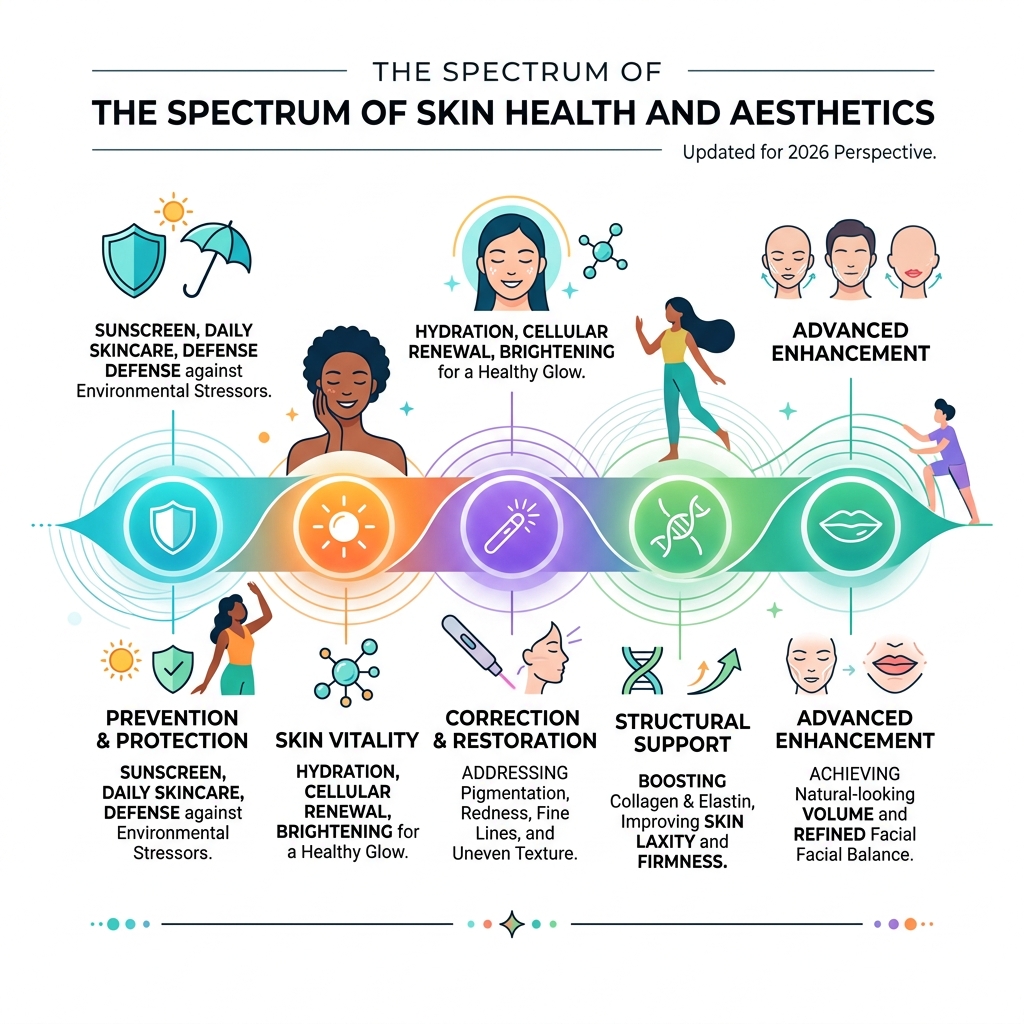
In May 2026, the journey to healthy, radiant skin is more informed and personalized than ever before. We understand that our skin is not just a superficial layer; it’s a dynamic organ reflecting our overall health and confidence. As the science of beauty continues to advance, the intersection of medical expertise and aesthetic treatments offers powerful solutions for maintaining skin vitality and addressing concerns.
This comprehensive guide delves into the advanced approaches shaping modern skin health and aesthetics. We will explore the intricate biological processes behind skin aging, from collagen loss to environmental factors. We’ll then examine the array of innovative clinical treatments available today, including energy-based devices, injectables, and regenerative therapies. Our focus is on how these advancements, combined with personalized strategies, lead to sustainable and natural-looking results. We believe in an Inclusive skin health aesthetics, ensuring that everyone can find effective paths to their best skin.
The field of aesthetic medicine has undergone a remarkable transformation, evolving from purely surgical interventions to a sophisticated blend of medical science and artistic precision. Today, it stands at the forefront of healthcare, seamlessly intersecting with dermatology to offer comprehensive solutions for skin health and beauty. This synergy allows for a holistic approach, where medical expertise underpins every cosmetic enhancement.
The growth in non-surgical aesthetic procedures has been particularly explosive. Between 1997 and 2011, the number of nonsurgical aesthetic procedures performed by aesthetic physicians surged by an astonishing 356%. This trend has only accelerated, with more than 11 million aesthetic procedures performed in the United States from 2012 to 2013, 83.5% of which were nonsurgical. In the United Kingdom, non-surgical techniques now constitute a dominant 90% of all cosmetic procedures. This shift reflects a growing patient preference for effective treatments with minimal downtime and risk, emphasizing clinical artistry to achieve natural-looking results.
Defining the Intersection of Beauty and Medicine
Aesthetic medicine is a specialized branch of modern medicine dedicated to altering natural or acquired unwanted appearances. This encompasses treating conditions such as scars, skin laxity, wrinkles, moles, liver spots, excess fat, cellulite, unwanted hair, and skin discoloration. While many aesthetic procedures are elective, they are rooted in medical science and require a deep understanding of anatomy, physiology, and pathology. The field operates on evidence-based care, ensuring that treatments are not only effective but also safe.
Dermatology, focusing on the diagnosis and treatment of skin diseases, provides the essential medical foundation for aesthetic practices. Dermatologists, with their extensive knowledge of skin biology and conditions, are uniquely positioned to offer cosmetic treatments that prioritize skin health. This multidisciplinary approach often involves collaboration among surgeons, dermatologists, and other healthcare professionals to deliver patient-centered outcomes. The goal is to enhance beauty while maintaining or improving the skin’s overall health and function, ensuring that aesthetic interventions contribute positively to a patient’s well-being.
Global Trends in 2026
As of May 2026, the landscape of skin health and aesthetics is characterized by several key trends. There is an undeniable and sustained demand for minimally invasive treatments, driven by advancements in technology and a desire for subtle, natural refinement. The top five nonsurgical aesthetic procedures in the US continue to be Botulinum Toxin, Hyaluronic Acid Fillers, Laser Hair Removal, Microdermabrasion, and Photorejuvenation, reflecting their proven efficacy and patient satisfaction.
A significant shift is also observed towards longevity-focused beauty and preventative treatments. Rather than solely addressing existing signs of aging, patients are increasingly seeking proactive solutions to maintain skin vitality and slow down the aging process at a cellular level. This perspective views aesthetics not as a quick fix, but as an integral part of a long-term wellness strategy. Innovations in regenerative medicine, which we will explore further, are central to this longevity approach, aiming to restore and rejuvenate tissues from within, aligning with the growing global interest in anti-aging and regenerative therapies, as highlighted by reports in Practical Dermatology.
Biological Foundations of Skin Aging and Longevity
Understanding the biological underpinnings of skin aging is crucial for effective aesthetic interventions. Skin aging is a complex process influenced by both intrinsic (genetic) and extrinsic (environmental) factors, leading to visible changes such as wrinkles, fine lines, skin laxity, and uneven tone. Key structural components like collagen and elastin degrade over time, while external assaults like photoaging accelerate these processes. Deeper within the facial structure, phenomena like fat pad migration and bone resorption also contribute significantly to the visible signs of aging.
The Role of Collagen and Cell Turnover
Collagen, the most abundant protein in our skin, provides its structural framework, strength, and elasticity. Unfortunately, our bodies begin to lose collagen starting in our mid-20s, at a rate of approximately 1% each year. This gradual decline leads to thinner, more fragile skin that is prone to wrinkles and sagging. Elastin, another vital protein, is responsible for the skin’s ability to snap back into place; its loss contributes to skin laxity.
Compounding this, the natural process of cell turnover, which is the rate at which old skin cells are replaced by new ones, also slows down with age. In our youth, this cycle typically takes about 28 days. However, by middle age, this process can extend to 45-60 days. A slower cell turnover means dead skin cells accumulate on the surface, leading to a dull complexion, rough texture, and diminished ability to heal and regenerate. These combined factors critically impact dermal thinning and compromise the skin’s overall structural integrity.
Environmental and Lifestyle Catalysts
While intrinsic aging is inevitable, extrinsic factors play a dominant role in accelerating the visible signs of aging. Among these, UV radiation from sun exposure is the single most significant contributor to premature skin aging, a phenomenon known as photoaging. UV damage leads to fine lines, wrinkles, dark spots, uneven pigmentation, and further exacerbates collagen breakdown.
Other powerful environmental and lifestyle catalysts include:
- Oxidative Stress: Caused by free radicals from pollution, smoking, and other environmental toxins, oxidative stress damages skin cells and accelerates collagen and elastin degradation.
- Glycation: A process where sugar molecules bind to proteins, forming advanced glycation end products (AGEs) that stiffen collagen and elastin, making the skin less pliable and more prone to wrinkles.
- Sleep Deprivation: Adequate sleep is vital for skin repair. During deep sleep, the body releases growth hormone, which promotes collagen synthesis and reduces inflammation. Chronic sleep deprivation can impair these restorative processes.
- Cortisol Impact: Chronic stress leads to elevated cortisol levels, which can break down collagen and elastin, impair the skin barrier, and trigger inflammatory responses.
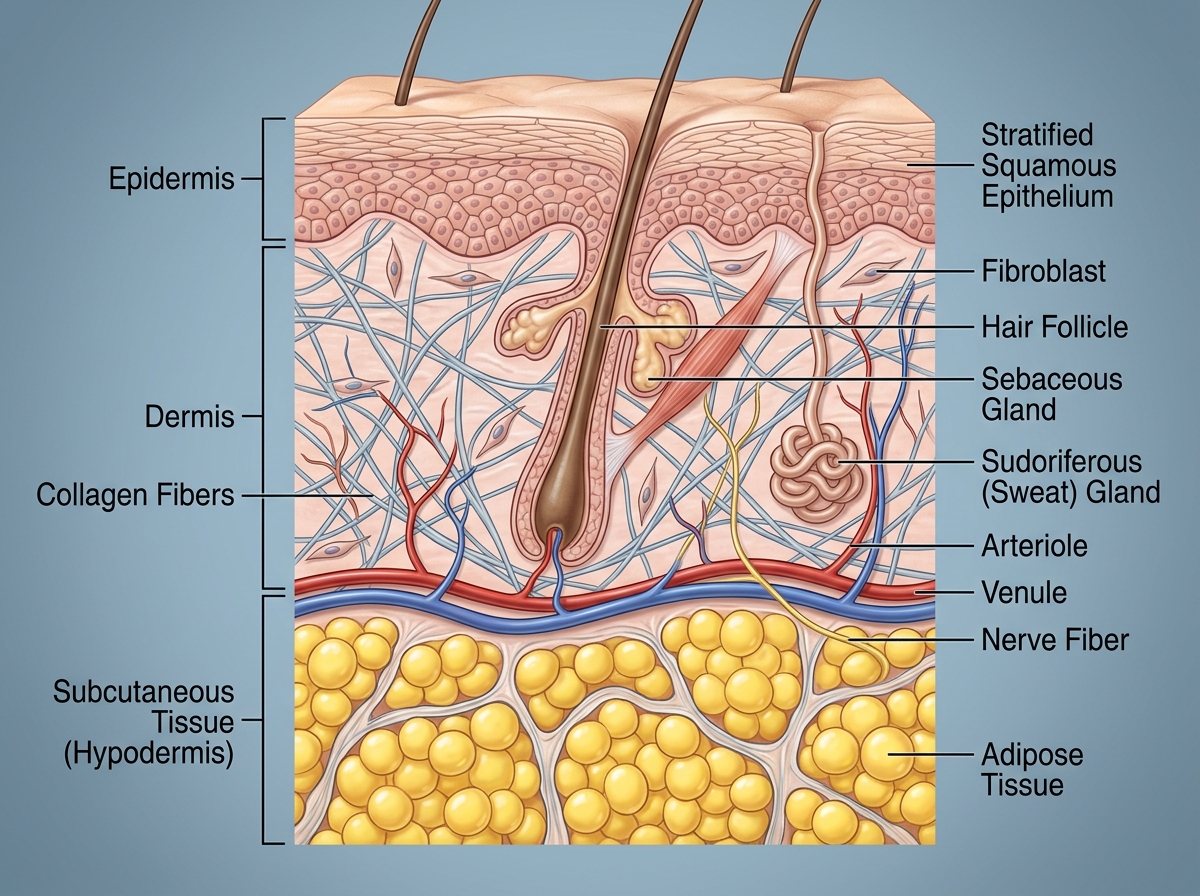
These factors collectively contribute to a compromised skin barrier, reduced elasticity, and an aged appearance, underscoring the importance of both protective measures and targeted treatments.
Clinical Modalities for Skin Rejuvenation and Repair
The array of clinical treatments available today offers diverse solutions for skin rejuvenation and repair, addressing everything from fine lines and wrinkles to hyperpigmentation and skin laxity. These modalities are broadly categorized based on their mechanism of action, ranging from energy-based devices that stimulate natural healing to injectables that restore volume and relax dynamic muscles. For those seeking Premium skin health and aesthetics, understanding these options is the first step towards a personalized plan.
Treatment Type Mechanism of Action Primary Concerns Addressed Typical Downtime Ablative Lasers Removes outer skin layers, triggers intense healing Deep wrinkles, severe sun damage, scars 10-14 days Non-Ablative Lasers Heats underlying tissue without surface damage Fine lines, texture, mild sun damage 1-3 days (redness) RF Microneedling Microneedles deliver radiofrequency energy to dermis Skin laxity, acne scars, pores, texture 1-3 days (redness, swelling) Chemical Peels Exfoliates outer skin layers with chemical solution Pigmentation, fine lines, acne, texture 0-7 days (peeling varies by depth) IPL Photorejuvenation Broad-spectrum light targets pigment/vessels Sun spots, redness, broken capillaries, rosacea Minimal (temporary redness/darkening of spots) Botulinum Toxin Blocks nerve signals to relax muscles Dynamic wrinkles (forehead, frown lines, crow’s feet) None (minor bruising possible) Hyaluronic Acid Fillers Adds volume, attracts water Static wrinkles, volume loss, contouring Minimal (swelling, bruising possible) Energy-Based Devices and Microneedling
Energy-based devices harness various forms of energy to stimulate the skin’s natural healing and regenerative processes.
- Lasers: Laser therapies are broadly categorized into ablative and non-ablative. Ablative lasers (like CO2) work by vaporizing thin layers of skin, prompting significant collagen remodeling and addressing deep wrinkles, scars, and sun damage with noticeable downtime. Non-ablative lasers (like fractional lasers or ResurFX) target deeper skin layers without removing the surface, leading to less downtime but requiring multiple sessions for optimal results.
- Radiofrequency (RF) Energy: RF treatments deliver heat energy to the deeper layers of the skin, causing controlled thermal remodeling. This heat stimulates collagen and elastin production, leading to skin tightening and improved texture. RF is notable for its safety across all skin tones, as it targets the water in cells rather than pigment. When combined with microneedling (RF microneedling), it creates micro-injuries that enhance the delivery of RF energy, leading to even more pronounced collagen induction and skin tightening, effective for concerns like skin laxity, acne scars, and enlarged pores.
- Microneedling: This procedure involves creating microscopic channels in the skin using fine needles. These controlled micro-injuries trigger the body’s natural wound-healing response, stimulating the production of new collagen and elastin. Beyond collagen induction, microneedling also enhances the absorption of topical serums and growth factors, making it an excellent adjunctive therapy. It is generally safe for all skin tones and has minimal downtime.
- IPL (Intense Pulsed Light): IPL therapy, often referred to as photorejuvenation, uses broad-spectrum light to target specific chromophores in the skin, such as melanin (for sun spots and hyperpigmentation) and hemoglobin (for redness, broken capillaries, and rosacea). While not a laser, IPL effectively improves skin tone and texture with minimal downtime, often requiring a series of 2-6 sessions for long-term results.
Injectables and Volumization
Injectable treatments offer rapid and effective solutions for addressing dynamic wrinkles, volume loss, and facial contouring.
- Neurotoxins (e.g., BOTOX, Dysport): These popular injectables work by temporarily relaxing the muscles responsible for dynamic wrinkles—those that appear with facial expressions like frowning, smiling, or squinting. By inhibiting muscle contraction, neurotoxins smooth lines on the forehead, between the eyebrows (glabellar lines), and around the eyes (crow’s feet). Results typically appear within 3-7 days and last 2-4 months.
- Dermal Fillers (e.g., Hyaluronic Acid): Hyaluronic acid (HA) fillers are gel-like substances injected beneath the skin to restore lost volume, smooth static wrinkles (those present at rest), and enhance facial contours. HA naturally attracts and holds water, providing immediate plumping and hydration. Fillers can be used to address nasolabial folds, marionette lines, thin lips, hollow cheeks, and under-eye troughs. Results are immediate and can last from 6 months to over a year, depending on the type of filler and treatment area.
- Biostimulators (e.g., Sculptra): Unlike HA fillers that provide immediate volume, biostimulators work by stimulating the body’s own collagen production over time. Sculptra, for instance, uses poly-L-lactic acid to gradually restore facial volume and improve skin texture, with results developing over several months and lasting up to two years or more. These are excellent for addressing deeper volume loss and overall skin laxity.
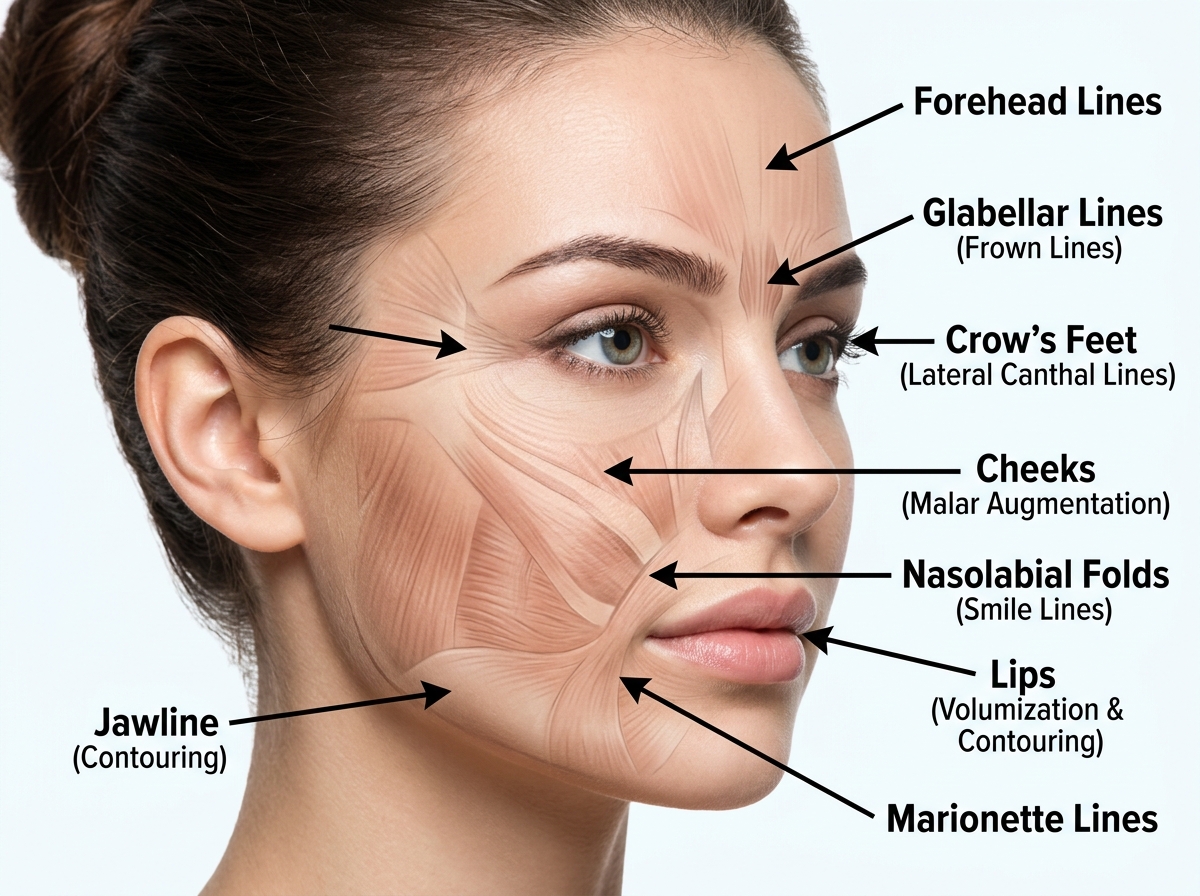
These treatments, when administered by qualified professionals, offer significant aesthetic improvements with minimal recovery time, making them a cornerstone of modern skin rejuvenation.
The Role of Regenerative Medicine in Aesthetic Outcomes
Regenerative medicine is revolutionizing aesthetics by shifting the focus from simply masking the signs of aging to actively stimulating the body’s innate healing and rejuvenation processes. This advanced approach leverages biological tools to restore and repair tissues at a cellular level, promising more durable and natural-looking results. In May 2026, regenerative aesthetics is a rapidly expanding field, offering innovative strategies for tissue restoration and longevity. We are continuously exploring Innovative regenerative therapies to enhance patient outcomes.
Cellular Signaling and Growth Factors
At the heart of regenerative aesthetics are cellular signaling and growth factors, which are essential for tissue repair, regeneration, and maintaining skin vitality.
- Platelet-Rich Plasma (PRP): PRP therapy utilizes a concentrated preparation of a patient’s own platelets, obtained from a small blood sample. These platelets contain a rich cocktail of growth factors that, when injected into the skin, stimulate collagen production, enhance tissue regeneration, and improve skin texture, tone, and elasticity. PRP is widely used for fine lines, acne scars, hair density improvement, and overall skin rejuvenation, often referred to as a “vampire facial” when combined with microneedling.
- Exosomes: Exosomes are tiny extracellular vesicles released by cells that play a crucial role in intercellular communication. They carry proteins, lipids, and nucleic acids, signaling other cells to repair and regenerate. In aesthetics, exosomes are being explored for their potent anti-inflammatory and regenerative properties, which can promote collagen synthesis and improve skin healing. As of May 2026, no exosome products are FDA-approved in the US for aesthetic purposes, and caution is advised regarding unsubstantiated claims.
- Growth Factors: Beyond PRP, various topical and injectable growth factors are used to harness the body’s natural repair signals. These proteins direct cells to replenish collagen and elastin, heal micro-damage, and improve skin resilience. They regulate inflammation, preventing collagen breakdown and promoting bio-identical repair, making them key ingredients in advanced skincare and in-clinic treatments.
- Stem Cell Banking: An emerging trend is the banking of hair follicle stem cells. Hair follicles are a rich, easily accessible source of mesenchymal stem cells. Banking these cells earlier in life provides a minimally invasive, lifelong resource for potential future skin rejuvenation, hair growth treatments, and other regenerative therapies, capitalizing on their higher viability when younger.
Corrective Approaches for Rapid Volume Loss
The advent of GLP-1 agonists (like semaglutide) for weight loss has introduced a new aesthetic challenge: rapid facial volume loss, colloquially termed “Ozempic face.” While beneficial for health, significant weight loss can lead to facial hollowing, skin laxity, and a gaunt appearance, increasing the demand for specific corrective aesthetic interventions.
Regenerative approaches offer effective solutions for this type of volume loss:
- Autologous Fat Transfer with Adipose-Derived Stem Cells (ADSCs): This procedure involves harvesting a patient’s own fat, processing it to concentrate ADSCs, and then reinjecting it into areas of facial hollowing. The ADSCs further enhance the survival and regenerative potential of the transferred fat, providing natural, long-lasting volume restoration and improving skin quality.
- Nanofat Grafting: Nanofat is a highly emulsified form of fat that is rich in ADSCs and growth factors, but without intact fat cells. It is typically injected superficially to improve skin quality, texture, and fine lines, rather than for significant volume. Nanofat effects can last approximately 6 to 8 months, making it excellent for delicate areas like the undereyes.
- Biostimulators (e.g., Sculptra): As mentioned earlier, biostimulators are particularly valuable for gradual, natural-looking volume restoration by stimulating the body’s own collagen, which can effectively counteract the structural changes seen with rapid weight loss.
These corrective approaches emphasize structural restoration and natural-looking results, providing a nuanced response to the aesthetic challenges posed by modern medical advancements.
Personalized Protocols and Lifestyle Integration
Effective skin health and aesthetics are not a one-size-fits-all endeavor. They thrive on personalized protocols, informed by advanced diagnostics and integrated with healthy lifestyle choices. This holistic approach ensures that treatments are tailored to individual needs, maximizing results and promoting long-term skin vitality. For those interested in Holistic aesthetic planning, a comprehensive strategy is key.
Professional Consultation and Provider Selection
Choosing a qualified provider is perhaps the most critical step in any aesthetic journey. The results you achieve depend significantly on the skill, knowledge, and experience of the person performing the treatment. We strongly advocate for selecting board-certified dermatologists or plastic surgeons, or practices supervised by them. These medical professionals possess an in-depth understanding of skin anatomy, physiology, and potential complications, ensuring safety and efficacy.
During a consultation, expect a thorough assessment that goes beyond surface-level concerns. A good consultation will involve:
- Discussion of Goals and Expectations: Clearly communicate what you hope to achieve, and listen to what is realistically possible.
- Medical History Review: This includes past procedures, allergies, medications, and any underlying health conditions.
- Skin Analysis: This may involve advanced diagnostics like VISIA skin analysis. VISIA uses multispectral imaging to capture key visual information about skin conditions, both surface and subsurface, such as wrinkles, spots, pores, texture, porphyrins, and UV spots. This diagnostic data allows for a precise, data-driven understanding of your skin’s unique needs.
- Personalized Treatment Plan: Based on your goals, skin type, and diagnostic data, the provider will recommend a customized roadmap of treatments, explaining mechanisms, benefits, potential risks, and expected outcomes.
- Downtime and Recovery Expectations: Realistic discussions about recovery periods are crucial for planning.
Emphasize safety protocols and ensure the provider prioritizes patient education and informed consent.
Maintenance and Long-Term Skin Health
Even the most advanced aesthetic treatments require diligent maintenance and a commitment to healthy lifestyle practices to sustain and enhance results. Lifestyle factors are foundational for skin longevity, acting as daily “performance boosters” for your skin.
Key elements for long-term skin health include:
- Sun Protection: Daily use of broad-spectrum sunscreen (SPF 30+) is non-negotiable. Mineral SPFs containing zinc oxide and titanium dioxide offer excellent protection. Controlled sun exposure (10-20 minutes in the early morning for Vitamin D, depending on skin tone) can be beneficial, but always follow with protection. UV damage is the primary driver of premature aging.
- Medical-Grade Skincare: Incorporate clinician-approved skincare products tailored to your specific concerns.
- Antioxidant Serums: Vitamin C, E, and Ferulic Acid protect against oxidative stress and brighten the complexion.
- Retinoid Therapy: Retinoids (like tretinoin) are gold-standard ingredients with over 40 years of research, promoting cell turnover, stimulating collagen, and reducing pigmentation.
- Hydration: Maintain optimal skin hydration with humectants and emollients.
- Diet and Nutrition: A balanced diet rich in antioxidants, healthy fats, and lean protein supports skin health from within. Nutrient-dense whole foods contribute to overall well-being, while avoiding inflammatory foods (e.g., excessive sugar, processed foods) can prevent skin issues.
- Sleep Hygiene: Consistent, high-quality sleep is crucial. During deep sleep, the body releases growth hormone, which increases collagen synthesis and decreases inflammation. Aim for 7-9 hours of sleep in a cool, dark room, limiting blue light exposure before bed.
- Stress Management: Chronic stress elevates cortisol, which can negatively impact skin health. Incorporate stress-reducing practices like meditation, yoga, or mindfulness.
By integrating these practices, patients can significantly enhance and prolong the benefits of their aesthetic treatments, leading to healthier, more radiant skin for years to come.
Frequently Asked Questions about Skin Health and Aesthetics
What is the difference between medical dermatology and skin health and aesthetics?
Medical dermatology primarily focuses on the diagnosis and treatment of skin diseases and conditions, such as acne, eczema, psoriasis, rosacea, and skin cancer. Its goal is to restore skin health and function, often involving pathological treatment. Skin health and aesthetics, on the other hand, centers on enhancing the appearance of the skin, addressing concerns like wrinkles, laxity, pigmentation, and texture, which are often elective cosmetic enhancements. However, the two fields frequently intersect. Many board-certified dermatologists offer aesthetic services, leveraging their medical expertise to provide safe, effective, and health-conscious cosmetic solutions. This clinical intersection ensures that aesthetic treatments are performed with a deep understanding of skin biology and potential medical implications.
How many sessions are typically required for skin health and aesthetics treatments?
The number of sessions required for aesthetic treatments varies significantly depending on the specific modality, the individual’s skin concerns, and their desired outcomes. Some treatments, like Botulinum Toxin injections, may offer noticeable results after a single session, though maintenance treatments are needed every 3-4 months. For other procedures:
- IPL Photorejuvenation: Typically requires 2-6 sessions, spaced 2-4 weeks apart, for long-term results in treating sun spots and rosacea.
- Laser Hair Removal: Usually necessitates a series of 4-6 sessions to effectively target hair follicles in different growth cycles.
- RF Microneedling and Microneedling: Results build gradually over 8-12 weeks as new collagen develops, often requiring 3-4 initial sessions followed by maintenance.
- Chemical Peels: Can range from single treatments for superficial exfoliation to a series of 3-6 for more significant concerns like pigmentation or acne.
Many aesthetic treatments provide cumulative results, meaning benefits improve with each subsequent session. A personalized consultation with a qualified provider will help establish a realistic treatment plan and maintenance intervals based on your individual response.
Are advanced rejuvenation procedures safe for all skin types?
While many advanced rejuvenation procedures are broadly safe, their suitability for all skin types, especially darker skin tones, depends heavily on the specific technology and the expertise of the practitioner. Skin types are often classified using the Fitzpatrick scale, which assesses how skin reacts to sun exposure. Individuals with higher Fitzpatrick types (darker skin tones) have more melanin, which can be a target for certain lasers and light-based therapies, increasing the risk of complications like hyperpigmentation or hypopigmentation.
- RF (Radiofrequency) and Microneedling: These treatments are generally considered safe for all skin tones because they work by stimulating heat in the dermis or creating micro-injuries, rather than targeting pigment.
- Lasers and IPL: Careful selection of laser wavelength and parameters is crucial for darker skin. Non-ablative fractional lasers and certain picosecond lasers can be used safely, but ablative lasers (like traditional CO2) carry a higher risk. IPL must also be used cautiously, as its broad spectrum light can interact with melanin.
- Chemical Peels: Superficial and medium-depth peels can be safe for darker skin tones when appropriate acids and concentrations are chosen by an experienced professional.
A thorough consultation is essential to assess your skin type, concerns, and medical history, allowing the provider to select the safest and most effective treatment plan to prevent complications like post-inflammatory hyperpigmentation.
Conclusion
The journey to optimal skin health and aesthetics in May 2026 is an exciting confluence of scientific innovation, medical expertise, and personalized care. We’ve explored how a deep understanding of biological aging processes, combined with advanced clinical modalities like energy-based devices, injectables, and groundbreaking regenerative therapies, empowers individuals to achieve their aesthetic goals. The emphasis has shifted towards sustainable beauty, focusing on natural refinement and longevity rather than temporary fixes.
By integrating personalized diagnostic data, medical-grade skincare, and holistic lifestyle choices, we can not only enhance treatment results but also foster overall well-being. The future of aesthetics is bright, promising even more sophisticated, less invasive, and highly individualized solutions that prioritize both beauty and health. As we continue to advance, the commitment to choosing qualified providers and maintaining realistic expectations will remain paramount, ensuring that every step on your aesthetic journey is safe, effective, and truly transformative.