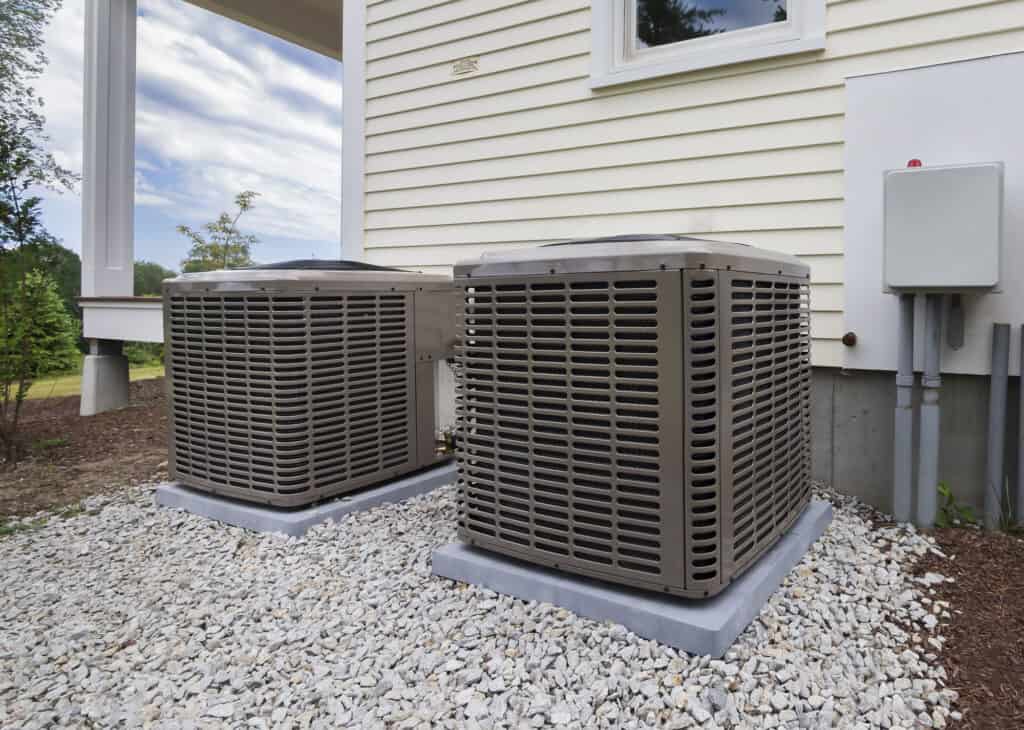
Heating and cooling systems work continuously to maintain comfortable indoor temperatures, often without homeowners giving them much thought. However, HVAC equipment contains many moving parts and complex components that naturally wear down over time. When problems appear, they can quickly affect system efficiency, indoor air quality, and energy consumption.
Many HVAC issues begin with subtle warning signs such as weak airflow, unusual noises, or rising utility bills. Ignoring these signals can lead to larger system failures and expensive repairs. By understanding the most common HVAC problems and how professionals address them, homeowners can take action early and keep their systems operating smoothly.
Poor Airflow Throughout the Home
Weak or uneven airflow is one of the most common HVAC issues homeowners encounter. When airflow becomes restricted, certain rooms may feel warmer or cooler than others, making it difficult to maintain consistent comfort.
Several factors can cause airflow problems, including
- Dirty or clogged air filters
- Blocked vents or registers
- Damaged or leaking ductwork
- Failing blower motors
Professionals typically begin by inspecting the air filter and duct system to locate the source of the restriction. Replacing filters, cleaning components, or repairing ductwork can restore proper airflow and improve overall system performance.
Air Conditioner Not Cooling Properly
Another frequent homeowner complaint is an air conditioner that runs but fails to cool the home effectively. This issue can occur for several reasons, and identifying the cause requires careful system inspection.
Common causes include:
- Low refrigerant levels caused by leaks
- Dirty condenser coils are preventing heat transfer
- Thermostat calibration problems
- Blocked airflow through filters or ducts
When cooling performance declines, technicians examine refrigerant levels, clean coils, and test system components. If a refrigerant leak is detected, professionals repair the leak and recharge the system to restore cooling efficiency.
Unusual Noises from the HVAC System
HVAC systems are designed to operate quietly. If loud or unusual noises develop, they may indicate mechanical issues inside the equipment.
Common warning sounds include:
- Grinding noises caused by worn bearings
- Rattling sounds from loose components
- Banging noises linked to internal mechanical problems
- Buzzing sounds related to electrical issues
When these noises appear, many homeowners contact a trusted HVAC contractor in Fairview, OR, to inspect the system and identify the underlying problem before it causes further damage. Early repairs can prevent more serious mechanical failures and extend the life of the equipment.
Frequent System Cycling
Frequent cycling occurs when the HVAC system repeatedly turns on and off without completing a full heating or cooling cycle. This issue, often called short cycling, places unnecessary stress on system components and reduces overall efficiency.
Several factors can contribute to this problem, including:
- Thermostat malfunctions
- Refrigerant imbalances
- Oversized HVAC equipment
- Electrical control issues
Professionals typically begin by evaluating the thermostat settings and system calibration. If refrigerant levels or electrical components are involved, technicians perform repairs or adjustments to restore normal operation.
Rising Energy Bills Without Clear Cause
A sudden increase in energy bills is often one of the first signs that an HVAC system is not operating efficiently. When components become dirty, worn, or misaligned, the system must work harder to maintain indoor temperatures.
Technicians diagnose efficiency problems by inspecting airflow, cleaning system components, and testing refrigerant levels. If energy costs continue to rise despite normal usage, homeowners often consult an experienced HVAC contractor in Fairview, OR to evaluate the system and identify hidden performance issues.
Addressing efficiency problems early helps prevent excessive energy consumption and reduces strain on the HVAC equipment.
Unpleasant Odours from Air Vents
Strange odours coming from vents can indicate issues within the HVAC system or ductwork. Different odours may indicate different types of problems.
For example:
- Musty smells may indicate mould growth inside ducts or coils
- Burning odours can suggest electrical issues or overheating components
Chemical-like smells may point to refrigerant leaks
Professionals inspect the system, clean internal components, and resolve any moisture or electrical issues that may be causing the odour.
Ageing HVAC Systems with Frequent Repairs
Even well-maintained HVAC systems eventually reach the end of their service life. Most systems last between 10 and 15 years, depending on usage and maintenance history.
As systems age, they may experience:
- Declining energy efficiency
- More frequent breakdowns
- Inconsistent heating or cooling
- Higher operating costs
When repair issues become frequent, a professional evaluation can help determine whether continued repairs are practical or whether upgrading to a newer system would improve efficiency and reliability. In many cases, homeowners seek advice from a qualified HVAC contractor to assess their equipment’s condition and recommend the most effective solution.
Conclusion
HVAC systems are essential for maintaining comfortable indoor environments, but they require proper care and attention to function effectively. Problems such as poor airflow, strange noises, inefficient cooling, and rising energy bills are often early indicators that the system needs professional attention.
By recognising these common HVAC problems and addressing them promptly, homeowners can avoid costly repairs and extend the lifespan of their equipment. Working with a reliable HVAC contractor ensures that heating and cooling systems receive expert inspection, accurate diagnosis, and the repairs needed to keep them operating efficiently throughout the year.