
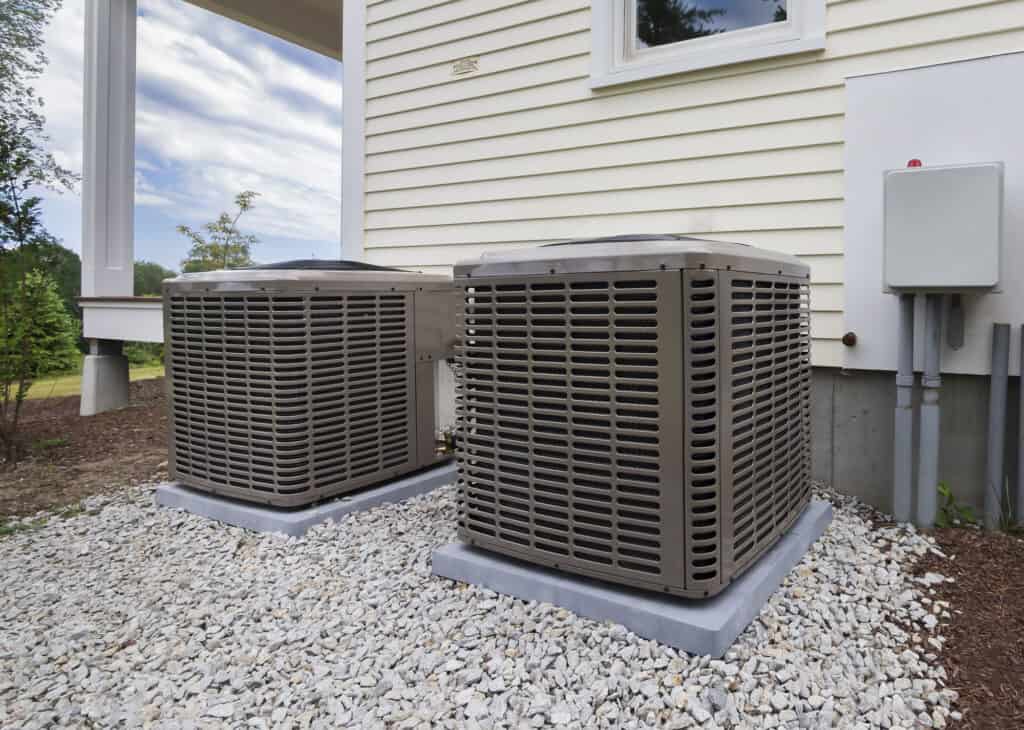
The Core Components of HVAC System Efficiency

The efficiency of an HVAC system is a complex interplay of several key components working in harmony. Understanding these elements is crucial for any homeowner in Spring, TX, aiming to maintain optimal comfort while managing energy consumption. At the heart of modern AC efficiency lies the Seasonal Energy Efficiency Ratio (SEER) rating. This metric quantifies an air conditioner’s cooling output over a typical cooling season divided by the total electric energy input during the same period. A higher SEER rating indicates greater energy efficiency, which translates directly into lower utility bills over the system’s lifespan.
Energy consumption in an AC unit is influenced not only by its SEER rating but also by its operational load and the effectiveness of its various parts. For instance, a system with poor airflow dynamics will struggle to distribute conditioned air evenly, forcing the unit to work harder and consume more power. This can be caused by dirty filters, blocked vents, or issues within the ductwork. Proper airflow ensures that the air handler can move the correct volume of air across the evaporator coil for efficient heat exchange.
Heat exchange is the fundamental principle behind air conditioning. Refrigerant circulates between the indoor evaporator coil and the outdoor condenser coil, absorbing heat from your home’s air and releasing it outside. Any impediment to this process—such as dirty coils, low refrigerant levels, or a malfunctioning compressor—will severely impact efficiency. In Spring, TX’s humid climate, humidity management becomes an equally critical factor. An efficient AC system doesn’t just cool the air; it also removes excess moisture, preventing the muggy feeling often associated with high humidity. Without effective dehumidification, even cool air can feel uncomfortable, and the risk of mold growth increases. This dual function of cooling and dehumidifying is what truly defines comfort in our local climate.
To illustrate the tangible benefits, consider a comparison between systems:
Feature/Benefit Standard SEER (e.g., 13-14) High SEER (e.g., 18-21+) Energy Savings Moderate Significant Operating Costs Higher Lower Cooling Performance Standard Superior, more consistent Humidity Control Adequate Enhanced Environmental Impact Standard Reduced Carbon Footprint System Longevity Good, with maintenance Excellent, with maintenance Investing in an efficient system and ensuring it receives regular, professional attention is paramount. An Efficient Spring TX AC service can help homeowners understand their system’s SEER rating, assess its current energy consumption, and recommend tailored solutions to optimize performance.
Essential Maintenance for Year-Round Reliability
Regular maintenance is the bedrock of a reliable and efficient HVAC system, especially in Spring, TX, where units work overtime for much of the year. Neglecting routine care can lead to decreased efficiency, higher energy bills, and premature system failure. We emphasize proactive maintenance as the best defense against unexpected breakdowns.
One of the simplest yet most impactful tasks is filter replacement. A clogged filter restricts airflow, forcing your system to work harder and consume more energy. It also reduces indoor air quality by failing to trap dust, pollen, and other airborne particles effectively. We recommend checking your filters monthly and replacing them every 1-3 months, depending on usage and household conditions (e.g., pets, allergies).
Coil cleaning is another critical maintenance item. Both the evaporator coil (indoors) and the condenser coil (outdoors) can accumulate dirt and debris. A dirty evaporator coil acts as an insulator, hindering heat absorption, while a dirty condenser coil impedes heat release. Professional cleaning ensures optimal heat exchange, which is vital for both cooling efficiency and the lifespan of your unit.
Condensate lines, responsible for draining away the moisture removed from the air, are prone to clogs from algae and sludge. A blocked condensate line can cause water backup, leading to leaks, water damage, and even system shutdowns. Regular flushing and inspection of these lines are crucial to prevent these issues.
Preventative checks performed by a qualified technician go beyond these basic tasks. They include inspecting electrical connections, lubricating moving parts, checking refrigerant levels, calibrating thermostats, and assessing overall system operation. These comprehensive checks can identify minor issues before they escalate into costly repairs, significantly extending your system’s lifespan and ensuring consistent performance.
Here are some monthly DIY maintenance tasks homeowners can perform:
- Check and Replace Air Filters: Ensure clean airflow and efficiency.
- Clear Debris Around Outdoor Unit: Keep the condenser coil free from leaves, grass clippings, and other obstructions.
- Inspect Condensate Drain Line: Look for visible clogs or standing water in the drain pan.
- Ensure Vents Are Unobstructed: Make sure furniture or drapes aren’t blocking supply or return registers.
- Listen for Unusual Noises: Pay attention to any new or strange sounds coming from your unit.
- Monitor Thermostat Settings: Ensure your thermostat is programmed correctly for your comfort needs.
Impact of Humidity on HVAC System Efficiency
In Spring, TX, the battle against heat is often overshadowed by the pervasive challenge of humidity. Our climate’s high moisture content significantly impacts HVAC system efficiency and indoor comfort. Dehumidification is an inherent function of air conditioning; as warm, moist air passes over the cold evaporator coil, moisture condenses out of the air, reducing humidity. This process, known as latent heat removal, consumes a significant portion of your AC unit’s energy.
When an AC system is undersized, oversized, or poorly maintained, it struggles to effectively remove latent heat. An undersized unit may run continuously but fail to reach desired temperature and humidity levels, while an oversized unit might cool the air too quickly without enough runtime to dehumidify properly, leading to short cycling. Both scenarios result in a clammy, uncomfortable indoor environment.
Beyond comfort, unchecked humidity is a prime catalyst for mold prevention. Mold thrives in moist conditions, posing health risks and potentially causing structural damage. Effective moisture removal through a well-functioning drainage system is therefore paramount. Regular cleaning and inspection of condensate drains prevent clogs that can lead to water overflow, creating ideal conditions for mold growth. Proper indoor air quality hinges on maintaining optimal humidity levels, typically between 30-50%. Our Spring, TX climate demands systems that are not only capable of cooling but are also robust in their dehumidification capabilities, often benefiting from supplemental dehumidifiers or advanced HVAC systems designed for high-humidity environments.
Recognizing Signs That Require Professional Attention
Even with diligent maintenance, HVAC systems can develop issues that require professional intervention. Recognizing the early warning signs can prevent minor problems from escalating into major, costly repairs. We encourage homeowners in Spring, TX, to be vigilant for any changes in their AC system’s performance or behavior.
Unusual noises are often the first indicator of a problem. Squealing, grinding, hissing, or banging sounds can signal issues ranging from worn-out belts and bearings to refrigerant leaks or loose components within the unit. Each sound can point to a specific underlying issue that a trained technician can diagnose.
Erratic cooling is another common symptom. If some rooms are significantly cooler than others, or if your system struggles to maintain a consistent temperature, it could indicate low refrigerant, a faulty compressor, ductwork leaks, or an issue with the thermostat. Similarly, musty odors emanating from your vents often suggest mold or mildew growth within the ductwork or on the evaporator coil, especially prevalent in our humid climate. This not only impacts indoor air quality but can also be a sign of excessive moisture within the system.
Short cycling, where your AC unit turns on and off frequently, is a clear sign of inefficiency and potential system stress. This can be caused by an improperly sized unit, a clogged air filter, a faulty thermostat, or issues with the refrigerant charge. Left unaddressed, short cycling can lead to premature wear and tear on the compressor, one of the most expensive components to replace.
Airflow restrictions, such as weak airflow from vents, can be due to dirty filters, blocked ducts, or a failing blower motor. Reduced airflow means your system cannot effectively distribute conditioned air, leading to discomfort and increased energy consumption. Finally, issues with thermostat calibration or electrical components can manifest as incorrect temperature readings, unresponsive controls, or the system failing to turn on at all. These problems require the expertise of a professional to safely diagnose and repair.
Optimizing HVAC System Efficiency with Smart Technology
Beyond addressing immediate repair needs, modern technology offers powerful tools for optimizing HVAC system efficiency and enhancing home comfort. Smart thermostats are at the forefront of this revolution, providing homeowners with unprecedented control over their climate systems. These devices learn your preferences, adapt to your schedule, and can be controlled remotely via smartphone apps, allowing you to adjust temperatures even when you’re away from home. Many smart thermostats also provide detailed energy usage reports, helping you identify patterns and make informed decisions to reduce consumption.
Zoned cooling systems take optimization a step further by allowing different areas of your home to be cooled independently. Instead of cooling the entire house to one temperature, zones can be set to different temperatures based on occupancy and preference. This eliminates wasted energy in unused rooms and significantly improves comfort where it matters most. Programmable schedules, a feature of both smart and advanced traditional thermostats, enable you to preset temperature changes throughout the day and week, ensuring your home is comfortable when you need it to be and saving energy when you don’t.
Incorporating Energy Star appliances into your HVAC setup, such as high-efficiency air conditioners and furnaces, complements smart technology by providing inherently more efficient operation. These appliances meet strict energy efficiency guidelines set by the EPA, guaranteeing lower energy consumption. Remote monitoring capabilities, often integrated with smart thermostats or dedicated home automation systems, allow technicians to diagnose certain issues remotely, potentially saving a service visit and ensuring quicker resolution. Adaptive learning features in advanced systems can even learn your home’s thermal characteristics and local weather patterns to preemptively adjust settings for optimal comfort and efficiency. The system integration of these smart technologies creates a cohesive, highly efficient, and responsive home climate control ecosystem.
Selecting a Qualified Service Provider in Spring, TX
Choosing the right AC service provider in Spring, TX, is a critical decision that impacts your home’s comfort, your energy bills, and the longevity of your HVAC system. With numerous options available, knowing what to look for can help you select a truly top-rated and reliable company. We always recommend prioritizing qualifications and customer satisfaction.
First and foremost, verify that any potential provider holds the necessary licensing. In Texas, HVAC contractors must be licensed by the Texas Department of Licensing and Regulation (TDLR). This ensures they meet state-mandated standards for technical proficiency and ethical business practices. A licensed contractor is accountable and typically carries appropriate insurance, protecting you in case of accidents or damage during service.
Beyond basic licensing, look for companies whose technicians hold NATE (North American Technician Excellence) certification. NATE is the leading certification program for HVAC technicians, supported by the entire industry. It signifies that a technician has demonstrated comprehensive knowledge in specific areas of HVAC service and installation. A NATE-certified technician is generally more skilled, efficient, and up-to-date with the latest technologies and best practices, leading to more accurate diagnoses and higher quality repairs.
Customer ratings and reviews are invaluable resources for gauging a company’s reputation. Platforms like Google Reviews, Angi, and HomeAdvisor provide insights into other homeowners’ experiences. Pay attention to consistent themes in reviews, such as promptness, professionalism, honesty, and the quality of workmanship. A company with a high average rating and a substantial number of positive reviews is a strong indicator of reliability and customer satisfaction.
Emergency response capability is another crucial factor, especially in Spring, TX’s extreme weather. A top-rated provider should offer 24/7 emergency services and demonstrate quick response times for urgent repairs. You don’t want to be left without AC during a scorching summer weekend. Finally, local expertise is invaluable. A company familiar with Spring, TX’s specific climate challenges—like high humidity and intense heat—will be better equipped to recommend appropriate solutions and understand the nuances of local building codes and system requirements.
Here is a list of credentials to verify before scheduling service:
- State Licensing (TDLR): Confirm the company and technicians are properly licensed.
- NATE Certification: Look for technicians with this industry-recognized credential.
- Proof of Insurance: Ensure they carry liability and worker’s compensation insurance.
- Positive Customer Reviews: Check ratings on multiple independent platforms (Google, Angi, HomeAdvisor).
- Clear Communication: Assess their responsiveness and willingness to answer questions upfront.
- Transparent Pricing: While specific prices may not be given over the phone, they should offer clear explanations of their diagnostic fees and repair process.
- Warranty Information: Understand the warranties offered on parts and labor.
- Emergency Service Availability: Confirm they offer 24/7 support for urgent issues.
- Local References: Ask for local references if you want additional assurance.
Frequently Asked Questions about Home Cooling
How long does a typical AC system last in the Texas climate?
In the demanding Texas climate, where AC systems often run for many months out of the year, the lifespan of a typical air conditioning unit is generally between 10 to 15 years. However, this can vary significantly based on several factors. High-quality installations, consistent annual maintenance, and the frequency of use can push a system towards the higher end of this range, or even beyond. Conversely, neglected maintenance, improper sizing for the home, or exceptionally heavy usage (e.g., constant operation at very low temperatures) can shorten its life. Modern units are designed to be more durable and efficient, but the intense heat and humidity of Spring, TX, place considerable stress on components. Regular professional tune-ups are key to maximizing longevity and ensuring the system operates efficiently throughout its service life.
What are the most common signs of a failing compressor?
The compressor is often considered the “heart” of your AC system, responsible for circulating refrigerant and facilitating the heat exchange process. When it begins to fail, several distinct signs typically emerge. One of the most common indicators is a lack of cool air, even though the unit appears to be running. You might also notice unusual noises coming from the outdoor unit, such as grinding, clanking, or a loud buzzing sound, which can signal internal mechanical issues. Another sign is the AC unit frequently tripping the circuit breaker, indicating an electrical overload as the compressor struggles to operate. Furthermore, if the outdoor unit is vibrating excessively or if you observe a burning smell, it could point to a severely strained or failing compressor motor. Given the compressor’s critical role and high replacement cost, addressing these signs promptly with professional diagnosis is essential to prevent further damage to your entire HVAC system.
Why is annual maintenance necessary for manufacturer warranties?
Annual maintenance is not merely a recommendation; it’s often a crucial requirement for validating and maintaining your manufacturer’s warranty on an HVAC system. Most manufacturers stipulate in their warranty terms that the system must undergo regular professional maintenance by a qualified technician. This is because routine tune-ups ensure the system operates within its designed parameters, preventing premature wear and tear that could lead to component failure. Without documented proof of annual maintenance, manufacturers may deny warranty claims for parts or labor, leaving homeowners responsible for the full cost of repairs that would otherwise be covered. Beyond warranty protection, regular maintenance also significantly extends the system’s lifespan, improves energy efficiency, and ensures consistent comfort, making it a wise investment for any homeowner.
Conclusion
Maintaining peak performance in your home’s climate system in Spring, TX, is a journey of proactive care, informed decisions, and professional partnership. We’ve explored the core components that drive HVAC efficiency, underscored the critical role of essential maintenance, and highlighted the signs that signal a need for expert attention. From understanding SEER ratings and humidity management to recognizing the importance of NATE-certified technicians and transparent service, every step contributes to a more comfortable, energy-efficient, and reliable home.
By embracing regular maintenance, staying vigilant for warning signs, and carefully selecting a qualified service provider, homeowners can ensure their AC systems deliver long-term performance and sustainable cooling. Your home comfort is our shared priority, and by working together, we can navigate the unique challenges of the Spring, TX, climate, ensuring your indoor environment remains a cool and welcoming sanctuary.