Regular HVAC maintenance isn’t merely a suggestion; it’s a critical investment in your home’s comfort, your finances, and the longevity of your heating and cooling system. Without consistent care, even the most advanced systems can quickly succumb to inefficiency and premature failure. We often see homeowners overlook this crucial aspect, only to face costly repairs and uncomfortable living conditions down the line.
At its core, preventive maintenance ensures your HVAC system operates at peak efficiency. When components are clean, calibrated, and functioning correctly, the system doesn’t have to work as hard to maintain desired temperatures. This directly translates to significant cost savings on your energy bills. Consider that nearly half of the average home’s energy expenditure, which can be close to $1,900 annually, goes towards heating and cooling. A well-maintained system can dramatically reduce this burden.
Beyond the immediate financial benefits, consistent upkeep extends the lifespan of your equipment. Just like a car needs regular oil changes and tune-ups to run smoothly for years, your HVAC system requires attention to prevent wear and tear from escalating into major breakdowns. This proactive approach can help avoid the inconvenience and expense of emergency repairs, especially during extreme weather. For residents in areas like Columbus, where temperatures can fluctuate significantly, ensuring your heat pump is running efficiently is paramount. If you’re looking for expert services that prioritize your system’s health and performance, exploring options for Columbus heat pump repair and efficiency can provide valuable resources and support.
Moreover, maintenance plays a vital role in improving indoor air quality. A system clogged with dust, dirt, and allergens can recirculate these pollutants throughout your home, exacerbating respiratory issues and allergies. Clean filters and coils are essential for delivering fresh, healthy air.
Ignoring maintenance also contributes to energy waste and a larger carbon footprint. An inefficient system consumes more energy than necessary, leading to higher greenhouse gas emissions. By optimizing your HVAC’s performance, you’re not just saving money; you’re also contributing to environmental conservation.
Here’s a list of the primary benefits of routine HVAC upkeep:
- Lower Energy Costs: Clean and efficient systems use less power.
- Extended System Lifespan: Prevents premature wear and tear, delaying costly replacements.
- Improved Indoor Air Quality: Reduces dust, allergens, and pollutants in your home.
- Enhanced Comfort: Ensures consistent temperatures and proper humidity control.
- Reduced Risk of Breakdowns: Catches small issues before they become major problems.
- Maintained Warranty Validity: Many manufacturers require proof of regular maintenance.
- Environmental Responsibility: Lowers energy consumption and carbon emissions.
Avoiding Common Inefficiency Mistakes
Many factors can silently sabotage your HVAC system’s efficiency. Understanding and avoiding these common mistakes is the first step toward a more comfortable and cost-effective home.
- Dirty Filters: This is perhaps the most common and easily avoidable mistake. A clogged air filter restricts airflow, forcing your system to work harder, consume more energy, and potentially lead to overheating and breakdowns. Dirty filters can increase heating and cooling costs by 5% to 10%.
- Blocked Vents: Furniture, curtains, or even dust buildup can obstruct supply and return air vents, preventing conditioned air from circulating effectively. This creates uneven temperatures and forces your system to run longer.
- Thermostat Overrides: Constantly adjusting your thermostat or overriding programmed settings can negate energy-saving strategies. Inconsistent temperatures make your system cycle more frequently and less efficiently.
- Neglected Coils: The evaporator coil (indoors) and condenser coil (outdoors) are crucial for heat exchange. When they become caked with dirt and grime, their ability to transfer heat is severely hampered, leading to reduced efficiency and increased energy consumption. Cleaned HVAC systems have shown fan/blower energy consumption reductions ranging from 41% to 60%.
- Improper Installation: A new, high-efficiency system can still perform poorly if not installed correctly. Improper installation can reduce system efficiency by up to 30 percent, immediately negating many of its potential benefits.
- Airflow Restrictions: Beyond dirty filters and blocked vents, issues like undersized ductwork, leaky ducts, or a malfunctioning blower can restrict proper airflow, leading to reduced comfort and increased energy use. In a typical house, about 20 to 30 percent of the air that moves through the duct system is lost due to leaks, holes, and poorly connected ducts.
Essential Maintenance Tasks for Peak Performance
To ensure your HVAC system delivers reliable and efficient performance year after year, a combination of diligent DIY efforts and professional expertise is required. Regular maintenance addresses component wear, ensures proper system calibration, lubricates moving parts, and verifies electrical connections, all contributing to optimal operation.
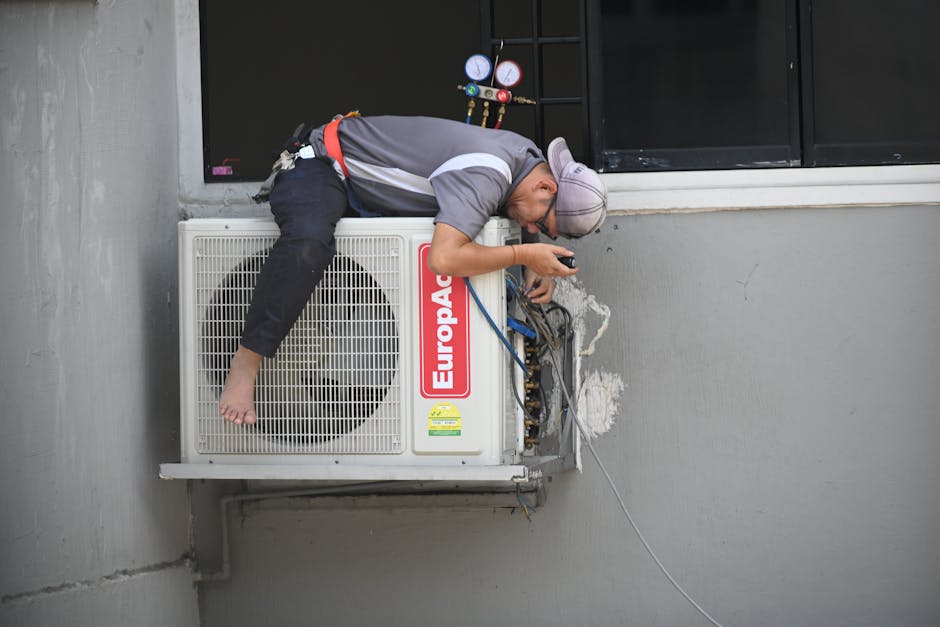
DIY HVAC Maintenance and Efficiency
As a homeowner, there are several straightforward tasks you can perform to keep your system running smoothly between professional visits. These tasks are crucial for maintaining efficiency and identifying potential issues early.
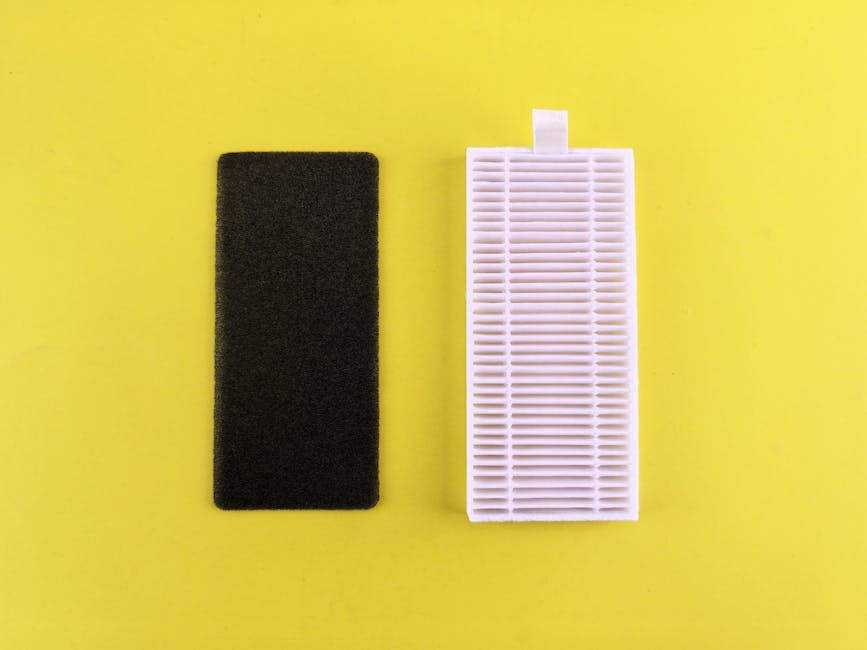
- Air Filters: This is your first line of defense. We recommend checking your air filter monthly, especially during peak heating and cooling seasons. If it looks dirty, replace it. A dirty filter can increase energy costs and reduce system efficiency. Disposable filters should typically be replaced every 1 to 3 months, while reusable filters can be cleaned according to manufacturer instructions.
- Vent Cleaning: Regularly dust and vacuum your supply and return air vents to ensure they are free from obstructions. This allows for unrestricted airflow, distributing conditioned air evenly throughout your home.
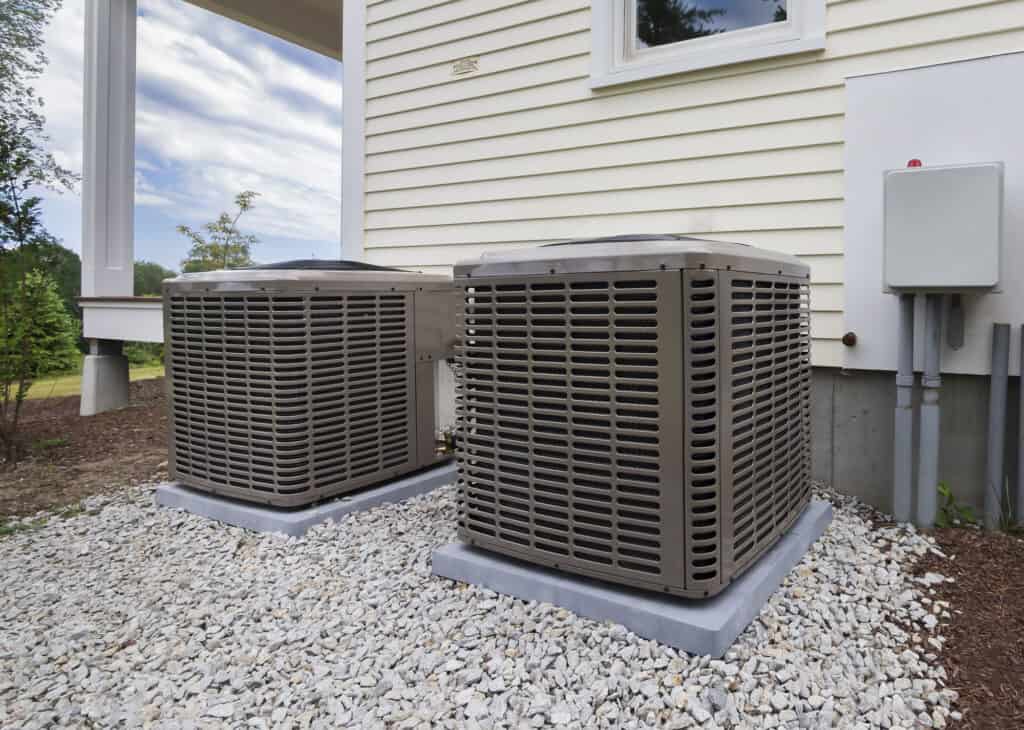
- Debris Removal: For outdoor condenser units, ensure the area around the unit is clear of leaves, grass clippings, dirt, and other debris. Trim back any vegetation at least two feet from the unit to allow for proper airflow. Always turn off the power to the unit at the disconnect switch before cleaning.
- Monthly Inspections: Make it a habit to visually inspect your system components. Look for any unusual noises, leaks, or signs of wear. Early detection can prevent minor issues from becoming major repairs.
- Outdoor Unit Clearance: Ensure the outdoor unit is level and free from ice or snow buildup in winter. The base pan should also be kept clear of leaves and debris, as some units don’t have a Weatherguard Top to prevent accumulation.
Professional Maintenance Check-ups and Software
While DIY tasks are important, professional HVAC maintenance is indispensable. Certified technicians have the tools and expertise to perform comprehensive checks and adjustments that homeowners cannot. A professional HVAC maintenance check-up typically includes:
- Coil Cleaning: Thorough cleaning of both the indoor evaporator and outdoor condenser coils to ensure optimal heat transfer.
- Refrigerant Levels: Checking and adjusting refrigerant levels to ensure the system is neither overcharged nor undercharged, which can severely impact efficiency and component life.
- Combustion Analysis: For heating systems, analyzing the combustion process to ensure safe and efficient burning of fuel, preventing dangerous carbon monoxide leaks.
- Heat Exchanger Inspection: A critical safety check for furnaces, inspecting the heat exchanger for cracks or damage that could lead to carbon monoxide leaks.
- Electrical Connections: Tightening all electrical connections and measuring voltage and current on motors to prevent system failure and extend component life.
- Lubrication: Lubricating all moving parts to reduce friction and wear, which can lower energy consumption.
- Condensate Drain: Clearing and flushing the condensate drain line to prevent clogs, water damage, and humidity issues.
- Thermostat Calibration: Checking and calibrating the thermostat to ensure accurate temperature readings and proper system control.
- System Controls: Verifying that the starting cycle, operating cycle, and shutdown sequences are functioning correctly.
For HVAC service providers and facility managers, managing these complex maintenance schedules can be streamlined using specialized tools. HVAC maintenance software or CMMS (Computerized Maintenance Management System) tools can revolutionize preventive maintenance scheduling. These platforms allow for digitizing checklists, tracking asset history, automating work orders, managing inventory, and generating reports. This not only ensures compliance and reduces human error but also helps in optimizing maintenance resources and identifying trends, leading to more efficient operations.
Seasonal Maintenance and Efficiency
Tailoring your maintenance efforts to the seasons is key to ensuring your HVAC system is ready for the demands of summer and winter.
- Spring Cooling Prep: Before the summer heat sets in, a professional tune-up for your air conditioning system is essential. This includes cleaning the outdoor condenser coil, checking refrigerant levels, inspecting the blower components for proper airflow, and ensuring the condensate drain is clear. This prepares your system to handle the cooling load efficiently.
- Fall Heating Prep: As temperatures drop, your heating system needs attention. A fall check-up involves inspecting the furnace’s heat exchanger, cleaning the burners, checking gas connections and pressure, and testing for carbon monoxide leaks. It also ensures the blower motor is ready for continuous operation.
- Condensate Drains: Regularly check and clean condensate drains, especially during humid cooling seasons, to prevent clogs that can lead to water damage or system shutdowns.
- Blower Components: Ensure the blower motor and fan are clean and operating correctly to maintain optimal airflow. Airflow problems can reduce system efficiency by up to 15 percent.
- Thermostat Calibration: Verify that your thermostat is accurately reading temperatures and communicating effectively with your system.
- Safety Control Testing: For both heating and cooling, ensure all safety controls and limit switches are functioning properly to prevent hazards and system damage.
Advanced Strategies for Enhancing HVAC Energy Efficiency
Beyond routine maintenance, several advanced strategies can significantly boost your HVAC system’s energy efficiency, leading to greater comfort and even more substantial savings. These strategies often involve leveraging smart technology and addressing structural elements of your home.
Energy-saving settings and system optimization are at the forefront of these strategies. This includes not just setting your thermostat to optimal temperatures but also understanding how your system interacts with your home’s unique environment. Performance monitoring, often enabled by smart devices, allows you to track energy usage and identify areas for improvement. Investing in solutions that offer Guaranteed HVAC efficiency can provide peace of mind, knowing that your system is optimized for minimal energy consumption and maximum output. Some advanced systems even incorporate heat recovery ventilation, which captures heat from outgoing stale air to pre-warm incoming fresh air, further reducing the heating load.
Smart Technology and Duct Sealing
Two of the most impactful strategies for improving HVAC efficiency involve smart technology and addressing your home’s ductwork.
- Smart Thermostats: These devices go beyond simple programming. ENERGY STAR certified smart thermostats can learn your schedule, adapt to changing weather conditions, and even be controlled remotely via your smartphone. Some provide monthly energy usage reports, offering insights into your consumption patterns. They can save approximately $100 annually on energy bills.
- Duct Sealing: Your ductwork is a crucial,, component of your HVAC system. Leaky ducts can waste 20% to 30% of the air that moves through them, meaning you’re paying to heat or cool spaces that aren’t even inside your home. Sealing these leaks with appropriate materials like mastic sealant or metal foil tape (never duct tape, as it degrades over time) is vital.
- Duct Insulation: Once sealed, insulating ducts, especially those running through unconditioned spaces like attics, crawl spaces, or garages, further prevents heat loss or gain. Sealing and insulating ducts can improve the efficiency of heating and cooling systems by as much as 20 percent — and sometimes much more.
- Air Leak Prevention: Beyond ducts, sealing air leaks in your home’s envelope (windows, doors, electrical outlets, etc.) reduces the amount of conditioned air escaping and unconditioned air entering. This lessens the burden on your HVAC system.
- Unconditioned Spaces: Prioritize sealing and insulating ducts and air leaks in unconditioned areas, as these typically offer the greatest potential for energy savings.
- Remote Monitoring: Many smart thermostats and advanced HVAC systems offer remote monitoring capabilities, allowing you to track performance and adjust settings even when you’re away from home, ensuring optimal efficiency at all times.
When to Upgrade to ENERGY STAR Certified Models
Even with diligent maintenance and smart strategies, there comes a point when replacing an old HVAC system becomes the most cost-effective and energy-efficient solution.
Consider an upgrade if:
- System Age: Your system is more than 10-15 years old. The lifespan of a central HVAC system is typically 15-20 years, but older units are significantly less efficient than modern ones.
- Frequent Repairs: You’re facing recurring breakdowns and costly repairs. The money spent on constant fixes could be better invested in a new, reliable system.
- Rising Utility Bills: Your energy bills are steadily increasing despite consistent maintenance. This is a clear sign of declining efficiency.
- Poor Performance: Your home isn’t heating or cooling evenly, or the system struggles to maintain comfortable temperatures.
When upgrading, always look for ENERGY STAR certified models. These products meet strict energy efficiency guidelines set by the U.S. Environmental Protection Agency and Department of Energy. Replacing old heating and cooling equipment with ENERGY STAR certified equipment can save nearly $140 annually.
Here’s a simplified comparison of standard units versus ENERGY STAR models:
Feature Standard HVAC Unit ENERGY STAR Certified HVAC Unit Efficiency Meets minimum government standards Exceeds minimum standards, significantly more efficient Energy Costs Higher operating costs Lower operating costs, significant annual savings Environmental Higher carbon footprint Reduced carbon footprint Performance Adequate, but can decline quickly without maintenance Optimized, consistent performance Technology Basic components Often incorporates advanced features (e.g., variable speed) Savings Minimal Substantial long-term energy savings Understanding efficiency ratings is crucial:
- SEER (Seasonal Energy Efficiency Ratio): For air conditioners and heat pumps in cooling mode. Higher SEER means greater efficiency. Upgrading from SEER 9 to SEER 14 can reduce energy consumption by more than 35%.
- AFUE (Annual Fuel Utilization Efficiency): For furnaces. Measures how efficiently a furnace converts fuel into usable heat. Higher AFUE means less wasted fuel.
- HSPF (Heating Seasonal Performance Factor): For heat pumps in heating mode. Higher HSPF indicates greater heating efficiency.
Newer standards like SEER2, EER2, and HSPF2 were introduced by the DOE in 2023 to provide more accurate real-world efficiency metrics, reflecting testing conditions closer to actual operating environments.
Understanding Efficiency Ratings and Regulatory Standards
The world of HVAC efficiency is governed by a set of standards and ratings designed to ensure systems perform optimally and conserve energy. Understanding these benchmarks is crucial for both homeowners and industry professionals.
At the forefront of these guidelines are organizations like ASHRAE (American Society of Heating, Refrigerating and Air-Conditioning Engineers) and the International Code Council (ICC).
- ASHRAE 90.1: This standard provides minimum requirements for the energy-efficient design of commercial and high-rise residential buildings. While primarily for commercial applications, its principles influence residential design and equipment efficiency.
- IECC (International Energy Conservation Code): Published by the ICC, the IECC is a model code that provides minimum design and construction requirements for energy efficiency in both residential and commercial buildings. It covers HVAC systems, insulation, lighting, and power usage, and is updated every three years to incorporate new technologies.
- DOE Regulations: The U.S. Department of Energy sets minimum efficiency standards for HVAC equipment sold in the United States. As of January 1, 2023, new metrics like SEER2, EER2 (Energy Efficiency Ratio), and HSPF2 are used. These updated ratings reflect more stringent testing procedures that better simulate real-world operating conditions, ensuring that systems meet higher efficiency benchmarks.
- SEER2, EER2, HSPF2: These are the new generation of efficiency ratings. SEER2 applies to central air conditioners and heat pumps in cooling mode, EER2 to smaller, single-package AC units, and HSPF2 to heat pumps in heating mode. A higher number in any of these ratings indicates greater energy efficiency.
- Climate Zones: ASHRAE and the DOE also designate climate zones across the country. These zones influence minimum efficiency requirements. For example, some regions may have different minimum SEER2 ratings for air conditioners based on their typical cooling demands. This ensures that efficiency standards are tailored to regional climate variations.
- Manual J Sizing: Proper HVAC system sizing is paramount for efficiency. The ACCA (Air Conditioning Contractors of America) Manual J is the industry-standard method for calculating a home’s heating and cooling load. This calculation considers factors like insulation levels, window types, local climate data, and home orientation to determine the precise capacity needed. Avoiding the common mistake of oversizing a system prevents short-cycling, which reduces efficiency, increases wear, and can lead to poor humidity control.
These standards and ratings collectively guide the manufacturing of more efficient equipment and promote construction practices that reduce energy consumption, ultimately benefiting homeowners through lower bills and a reduced environmental impact.
Frequently Asked Questions about HVAC Maintenance and Efficiency
We often hear common questions from homeowners eager to optimize their HVAC systems. Here are answers to some of the most frequent inquiries:
How often should I change my air filter?
We recommend checking your air filter monthly, especially during periods of heavy use (summer and winter) or if you have pets, allergies, or a lot of dust in your home. If it appears dirty, replace it. As a general rule, disposable filters should be replaced every 1 to 3 months. A clean filter is vital for maintaining good airflow and preventing your system from working harder than necessary, which directly impacts efficiency and longevity.
What are the signs of an inefficient HVAC system?
Several indicators suggest your HVAC system might be losing efficiency:
- Rising Energy Bills: If your heating and cooling costs are steadily increasing without a change in usage habits or utility rates, your system is likely working harder.
- Uneven Heating or Cooling: Some rooms are too hot while others are too cold, indicating poor air distribution or system struggle.
- Frequent Cycling: The system turns on and off more often than usual, known as short-cycling, which wastes energy and increases wear.
- Unusual Noises: Grinding, squealing, or banging sounds can signal mechanical issues that hinder efficiency.
- Poor Airflow: Weak air coming from vents suggests blockages or a struggling blower.
- Excessive Dust: An increase in household dust can mean your filter isn’t doing its job or your ductwork has leaks.
- System Age: If your unit is over 10-15 years old, it’s inherently less efficient than newer models.
Can I seal my own air ducts?
Yes, many homeowners can perform basic duct sealing themselves, especially for accessible ducts in areas like basements, attics, or crawl spaces. We advise using mastic sealant or metal foil tape for sealing seams and connections, as these materials create a durable, airtight seal. Avoid using standard duct tape, as it tends to degrade and lose adhesion over time. Focus on visible gaps and loosened connections. For more complex ductwork, or if your ducts are hidden within walls or ceilings, it’s often best to consult with a professional HVAC technician. They can perform a thorough inspection, including pressure testing, to identify all leaks and ensure proper sealing and insulation. Sealing and insulating ducts can improve the efficiency of heating and cooling systems by as much as 20 percent.
Conclusion
Maximizing your home’s comfort and minimizing energy costs hinges on a proactive approach to HVAC maintenance and efficiency. As we’ve explored, this isn’t just about reacting to breakdowns but about embracing a strategy of regular care, smart technology, and informed upgrades. From simple DIY tasks like changing air filters to professional tune-ups and the integration of ENERGY STAR certified systems, every step contributes to a more efficient, reliable, and sustainable home environment.
By investing in consistent maintenance, you’re not only protecting your equipment and extending its lifespan but also ensuring cleaner indoor air, consistent comfort, and substantial long-term savings on your utility bills. It’s a commitment to proactive care that pays dividends, offering peace of mind and a more environmentally responsible home. Embrace these strategies, and experience the full potential of your HVAC system working smarter, not harder.