The Business Case for Comprehensive Roofing and Exterior Maintenance
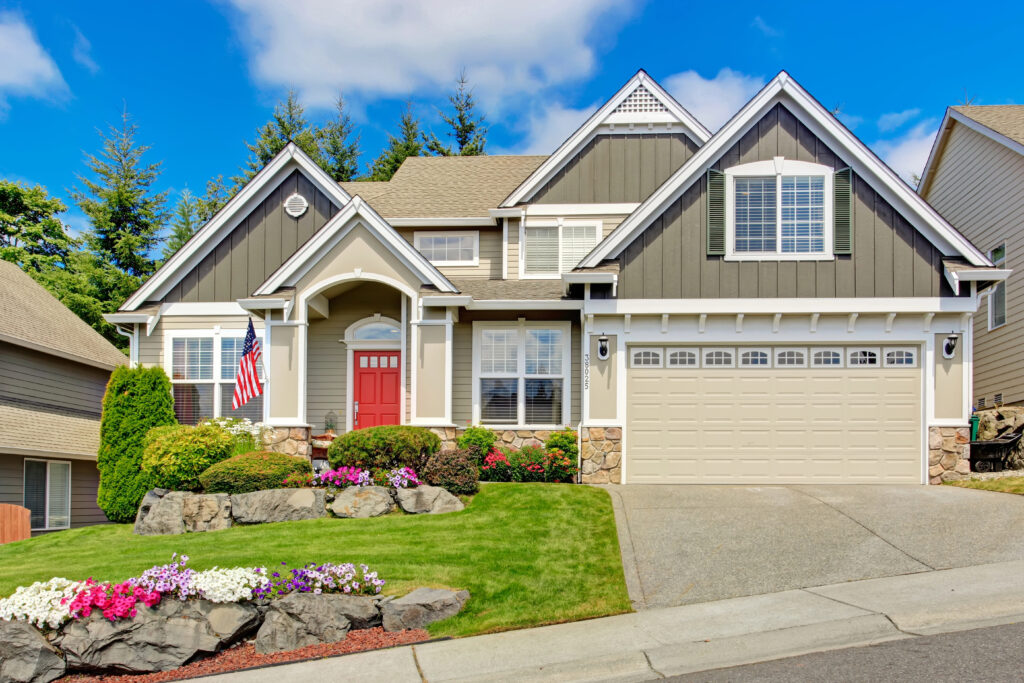
 Your home represents a major investment. Keeping its exterior in top condition is vital for its longevity and your family’s comfort. The roof, siding, windows, and gutters serve as your property’s primary shield against harsh weather, temperature shifts, and the passage of time. Ignoring their upkeep can lead to costly repairs, structural issues, and a decline in overall property value.
In this comprehensive guide, we will explore the essential aspects of roofing and exterior maintenance. We’ll show you why proactive care prevents expensive problems. We will cover seasonal maintenance strategies, help you identify critical signs of damage, and discuss how proper attic ventilation extends the life of your roof. Our aim is to provide you with the knowledge needed to maintain a resilient and attractive home exterior for years to come.
Maintaining your home’s exterior is not merely about aesthetics; it’s a strategic financial decision that impacts property value, long-term savings, and even your ability to navigate insurance claims effectively. A well-maintained roof and exterior are critical assets that safeguard your investment against the elements and significantly extend the lifespan of your home’s most vulnerable components.
Consider the stark contrast between proactive and reactive approaches to home maintenance. Reactive repairs often arise from neglect, forcing homeowners into costly, emergency situations that could have been avoided with routine checks. For instance, a small leak ignored can quickly escalate into widespread water damage, mold growth, and compromised structural integrity, requiring extensive and expensive remediation. Conversely, a proactive approach, characterized by regular inspections and timely minor repairs, preserves your home’s condition, enhances its curb appeal, and protects its market value. It’s a fundamental aspect of effective asset management that ensures your home remains a valuable and secure haven.

Many homeowners overlook the critical role that a well-maintained exterior plays in their financial well-being. Neglecting inspections and maintenance is often cited as the biggest cause of premature roof failure. This can lead to unexpected expenses that far outweigh the cost of routine care. Investing in regular maintenance is a wise decision that translates into substantial long-term savings by preventing major structural damage and extending the life of your roofing system. For businesses in the home services sector, understanding this homeowner need is crucial for effective customer engagement and for boosting their roofing SEO strategies.
The roofing industry, guided by organizations such as the Asphalt Roofing Manufacturers Association, consistently emphasizes the importance of regular maintenance. Products like Timberline, America’s #1-selling shingle brand, are designed for durability, but their longevity still depends heavily on proper installation and consistent maintenance. In fact, more homes and businesses in the U.S. are protected by GAF roofs than by any other roofing product, underscoring the trust placed in quality materials when properly maintained.
Scheduling Professional Roofing and Exterior Maintenance Inspections
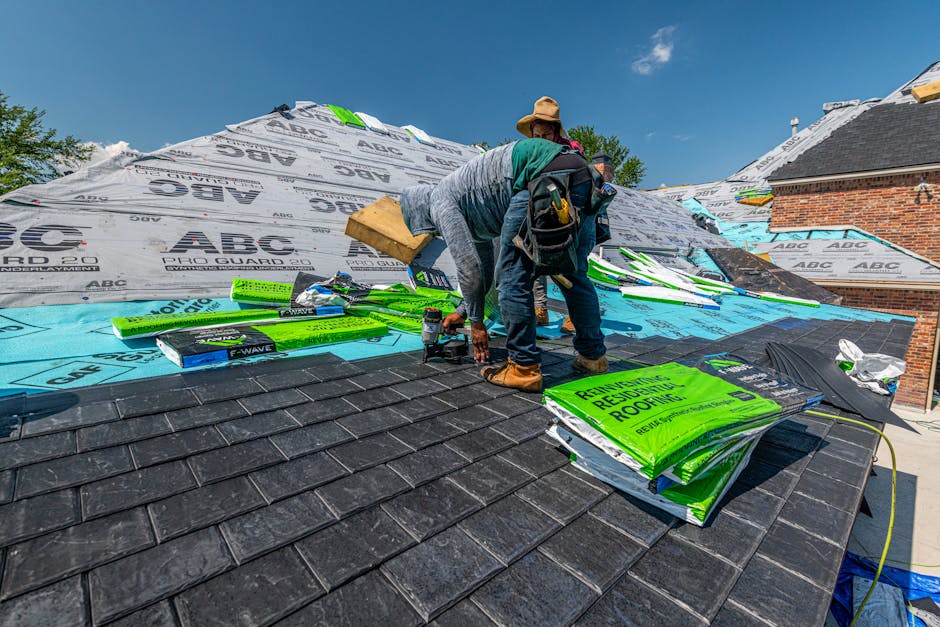
The frequency of professional inspections is a key factor in preventing premature deterioration and identifying potential issues before they escalate. While annual checks are a good baseline, biannual inspections are often optimal, especially for homes in regions prone to severe weather or extreme temperature fluctuations. Routine inspections at least once per year, and optimally twice per year, can prevent costly roof damage. These professional assessments go beyond what a homeowner can typically observe from the ground, delving into critical areas like flashing, sealants, and the overall structural integrity of the roof and exterior components.
For homeowners, understanding when to call in the experts rather than attempt DIY fixes is crucial. While basic tasks like gutter cleaning can be handled by homeowners, anything involving climbing onto the roof or addressing complex issues should be left to trained professionals. Early detection through regular inspections allows for minor repairs that are significantly less expensive and disruptive than emergency replacements. For contractors looking to connect with these informed homeowners, mastering roofing lead generation by highlighting the value of these inspections can be a game-changer. Companies like Smith roofing and exterior care exemplify the benefits of establishing long-term relationships with homeowners through consistent, reliable service.
The Role of Roofing and Exterior Maintenance in Insurance Compliance
Insurance policies often include specific requirements for property maintenance. Neglecting these stipulations can lead to denied claims, especially after significant weather events. Comprehensive documentation of regular inspections, maintenance activities, and any repairs undertaken is invaluable. This record serves as preventive evidence, demonstrating the homeowner’s due diligence and significantly improving the likelihood of claim approval.
When storm damage occurs, having a detailed history of your home’s exterior condition can streamline the claims process. Insurers look for signs of pre-existing damage that could have contributed to the issue. By providing clear evidence of proactive maintenance, you can avoid disputes and ensure your claim is processed efficiently. Understanding these requirements and effectively communicating them to clients is a vital part of a contractor’s offering. For roofing contractors, having an ultimate checklist for roofing contractor websites often includes sections on insurance and warranties, further solidifying trust with potential clients. Adhering to industry standards, such as those set by ASTM International standards, also reinforces the quality of materials and workmanship, which can be beneficial in insurance contexts.
Seasonal Checklists: Proactive Strategies for Every Quarter
Your home’s exterior endures a constant assault from seasonal weather, each cycle bringing its own set of challenges. A truly effective maintenance plan must be dynamic, adapting to these changing conditions to address weather-specific vulnerabilities. From the thermal expansion and contraction caused by temperature swings to the accumulation of debris in gutters, each season demands a tailored approach to upkeep.
Implementing seasonal checklists ensures that no critical maintenance task is overlooked. This proactive strategy not only extends the lifespan of your roofing and exterior components but also prevents minor issues from escalating into major, costly repairs. For contractors, sharing these insights through engaging roofing content marketing ideas can educate clients and position your business as a trusted resource. GAF, a leading manufacturer, provides comprehensive GAF maintenance guidelines that emphasize the importance of these routine checks.
Spring and Summer: Addressing Post-Winter Damage and UV Exposure
As winter recedes, spring offers the perfect opportunity to assess and address any damage inflicted by freezing temperatures, ice, and heavy snow. We recommend a thorough inspection for signs of shingle curling, cracking, or loss, which can result from the freeze-thaw cycle. Pay close attention to flashing around chimneys, vents, and skylights, as winter stress can compromise their seals.
Summer brings its own set of challenges, primarily intense UV degradation. Prolonged exposure to sunlight can accelerate the breakdown of roofing materials, leading to granule loss on asphalt shingles and fading. High humidity during these months also creates an ideal environment for algae growth, particularly on north-facing roof sections or shaded areas. While Timberline is America’s #1-selling shingle brand and many modern shingles are designed with algae resistance, regular cleaning and treatment can further extend their aesthetic appeal and functional life. Ensuring the integrity of seals around all penetrations is crucial to prevent water intrusion from spring rains and summer storms. For contractors seeking to connect with homeowners needing these seasonal services, effective roofing lead generation is key to building a strong client base. Adhering to GAF factory-certified standards ensures that repairs or replacements are performed with the highest-quality materials and workmanship, offering homeowners peace of mind.
Fall and Winter: Preparing for Storms and Preventing Ice Dams
Fall is a critical time to prepare your home’s exterior for winter’s harsh conditions. The primary focus should be on gutter clearance. Clogged gutters prevent proper water drainage, leading to overflow that can damage fascia boards, siding, and even the foundation. More critically, clogged gutters contribute to ice dam formation. As snow melts from the warmer parts of the roof (often due to heat loss from the attic) and refreezes at the colder eaves, it creates an ice barrier that prevents further meltwater from draining. This trapped water can then back up under shingles, leading to severe leaks and interior damage.
Proper attic ventilation is paramount in mitigating ice dams. Balanced airflow reduces heat transfer from the living space to the attic and roof deck, helping to maintain a consistent roof temperature. This prevents the uneven melting and refreezing that causes ice dams. Before winter, we also advise inspecting flashing security around all roof penetrations and ensuring your home’s exterior is ready to withstand potential snow load and strong winds. Addressing these vulnerabilities proactively can save homeowners significant repair costs and headaches. For businesses, sharing these seasonal tips can be a valuable part of a complete guide to roofer SEO strategies, attracting clients seeking reliable advice and services.
Identifying Critical Vulnerabilities: From Shingles to Attic Ventilation
Understanding the common culprits behind premature roof failure is essential for any homeowner committed to long-term exterior maintenance. While roofs are designed to be durable, certain factors can significantly shorten their lifespan. Neglecting inspections and maintenance is often the biggest cause of premature roof failure. This can manifest in various ways, from subtle shingle damage to more obvious flashing issues or widespread leaks.
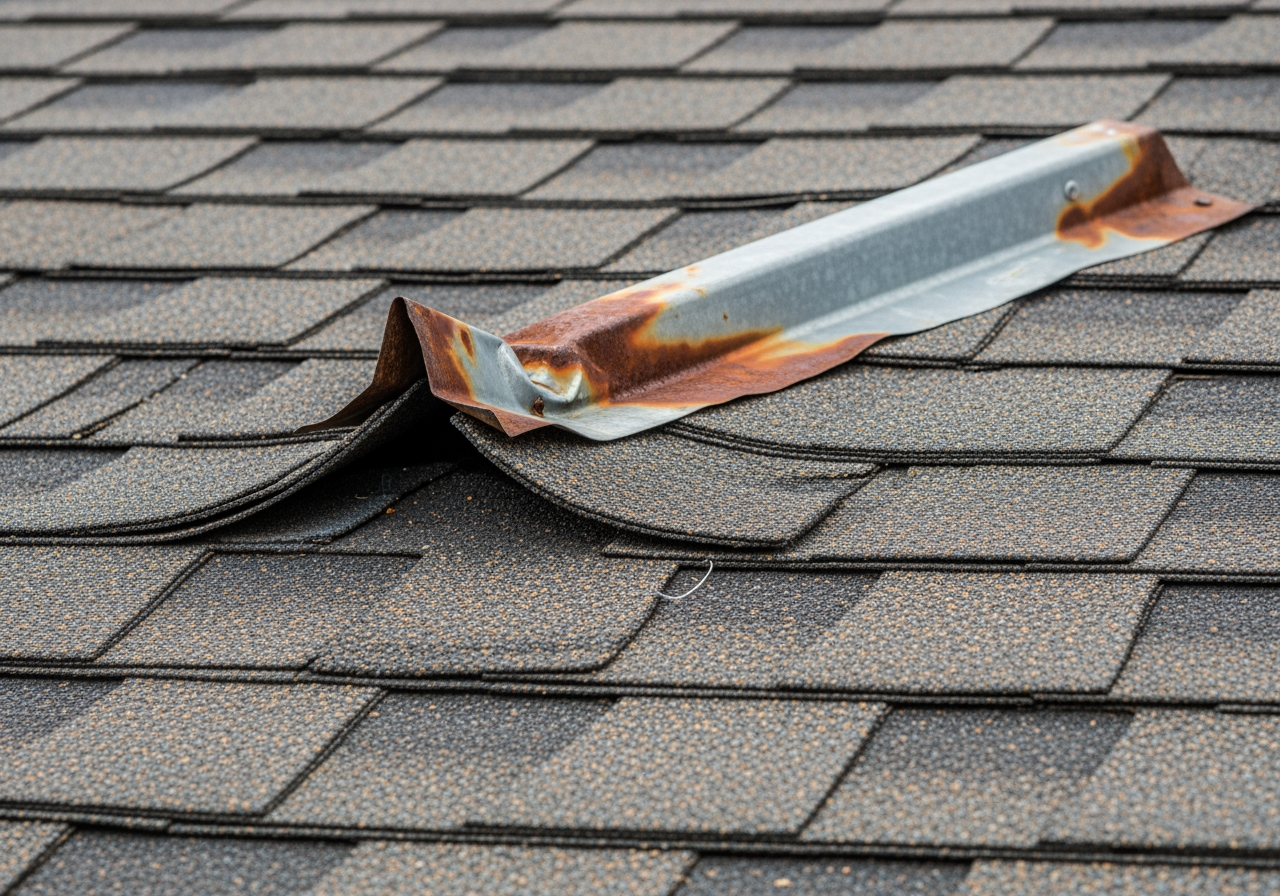
Homeowners can perform safe, ground-based inspections using binoculars to look for common signs of wear and tear. This allows for early detection without the risks associated with climbing onto the roof. Key areas to observe include the condition of shingles, the integrity of flashing around chimneys and vents, and any signs of water staining on exterior walls. For contractors, demonstrating expertise in identifying these vulnerabilities and offering timely solutions is key to achieving proven SEO results and building a reputation as a trusted local expert.
Signs of Damage Requiring Immediate Professional Attention
Certain signs of roof damage demand immediate professional attention to prevent minor issues from escalating into major structural problems. These include:
- Curled or Buckled Shingles: Often a sign of age, improper installation, or moisture absorption, making them vulnerable to wind and water.
- Missing or Damaged Shingles: Leaves the underlying roof structure exposed to the elements.
- Granule Loss: The protective granules on asphalt shingles wear off over time, reducing UV protection and shortening shingle life. You might find these granules in your gutters.
- Rusted or Damaged Flashing: Flashing creates watertight seals around roof penetrations (chimneys, vents, skylights, valleys). Rust, cracks, or loose flashing can lead to leaks.
- Water Stains on Ceilings or Walls: A clear indicator of a roof leak, often appearing as discoloration or sagging.
- Sagging Roof Deck or Ceilings: Suggests significant water damage or structural compromise, requiring urgent assessment.
- Pest Intrusion: Animals like squirrels or raccoons can chew through fascia or soffits, creating entry points for water and further damage.
- Structural Movement: Any visible shifting or distortion of the roofline can indicate serious underlying structural issues.
Addressing these issues promptly and following appropriate SEO optimization protocols for roofing businesses is crucial for maintaining your home’s integrity and preventing costly, extensive repairs.
The Impact of Attic Ventilation on Roof Lifespan
Attic ventilation is an often-overlooked yet critical component of a healthy roofing system. A balanced airflow within the attic space plays a vital role in regulating temperature and managing moisture. Without proper ventilation, heat can build up in the summer, causing shingles to age and warp prematurely. In winter, inadequate ventilation can lead to moisture buildup from household activities, condensing in the cold attic, and creating an ideal environment for mold and mildew growth. This moisture can also saturate insulation, reducing its effectiveness and increasing energy bills.
Critically, effective attic ventilation is a primary defense against ice dam formation. Keeping the attic and roof deck cooler minimizes the melting and refreezing cycle that leads to ice dams. A well-designed ventilation system typically includes both intake vents (such as soffit vents) and exhaust vents (such as ridge vents or static vents) to create a continuous flow of air. Ensuring the efficiency of your roofing and exterior maintenance efforts means paying close attention to this vital system. Proper ventilation not only extends the roof’s lifespan but also reduces energy costs and creates a healthier indoor environment.
Beyond the Shingles: Maintaining Gutters, Siding, and Windows
A truly comprehensive exterior maintenance strategy extends far beyond just the roof. It encompasses a holistic approach to all components that protect your home from the elements, including gutters, siding, and windows. Each of these elements plays a vital role in the overall integrity and energy efficiency of your home.

Gutter Cleaning: Gutters are designed to channel rainwater away from your home’s foundation. When they become clogged with leaves, twigs, and debris, they can’t perform this essential function. Overflowing gutters can lead to water damage on fascia boards, siding, and landscaping, and can even contribute to foundation issues. We recommend cleaning gutters at least twice a year, in spring and fall, or more frequently if your home is surrounded by trees. Consider installing gutter guards to reduce the frequency of cleaning.
Moss and Algae Treatment: Moss and algae thrive in damp, shaded environments and can cause significant damage to your roof and siding. Moss, in particular, absorbs and holds moisture against the roof surface, which can cause shingles to lift, curl, and deteriorate prematurely. Algae creates unsightly dark streaks. Regular cleaning with appropriate solutions (such as a diluted bleach solution, applied carefully from the ground) and trimming overhanging tree branches can significantly reduce their growth and protect your home’s appearance and longevity.
Tree Branch Trimming: Overhanging tree branches pose multiple threats. They can scratch and damage shingles, leading to granule loss. They shed leaves and debris directly onto the roof and into gutters, causing clogs. In strong winds or storms, heavy branches can break and fall, causing severe structural damage to your roof and home. Keeping branches trimmed at least 6-10 feet away from your roofline is a simple yet effective preventative measure.
Window and Siding Integrity: Windows and siding are crucial for both protection and energy efficiency. Inspect window seals for cracks, gaps, or signs of moisture between panes, which indicate seal failure and energy loss. Check siding for cracks, warping, rot, or loose panels. Damaged siding can allow water penetration, leading to mold, mildew, and structural damage. Consider upgrading to impact doors and energy-efficient windows for enhanced protection and savings.
By bundling these exterior services with your regular roofing maintenance, you ensure a holistic approach to protecting your home. This integrated strategy addresses all potential vulnerabilities, safeguarding your property from top to bottom.
Professional Standards and Florida-Specific Weather Challenges
When it comes to roofing and exterior maintenance, especially in regions with unique climatic demands, adhering to professional standards is paramount. The choice of contractor and the quality of materials used directly impact your home’s resilience and longevity.
In the roofing industry, certifications like GAF factory-trained and certified status are a hallmark of excellence. It’s a significant achievement, as less than 3% of all roofing companies in the country achieve this elite status. GAF-certified contractors are trained in the latest installation techniques and are authorized to offer enhanced warranties, providing homeowners with unparalleled protection. For instance, GAF offers Diamond Pledge™ NDL Roof Guarantees up to 35 years for qualifying systems, a testament to their confidence in both their products and their certified installers. These benefits for GAF-certified contractors extend to homeowners through superior craftsmanship and peace of mind.
Florida, with its unique weather challenges, exemplifies why professional standards are so crucial. Hurricanes, intense humidity, and persistent algae growth demand specialized approaches to roofing and exterior maintenance. Homes in South Florida, for example, require robust roofing systems designed to withstand extreme wind uplift and heavy rainfall. Perkins Roofing, serving the South Florida community for more than 30 years (established in 1980), understands these regional specificities, recommending materials and installation methods that offer maximum hurricane preparedness.
High humidity in Florida accelerates algae growth, necessitating algae-resistant shingles or regular treatment to prevent unsightly discoloration and potential damage. Proactive measures, such as selecting appropriate roofing materials and ensuring proper attic ventilation, are vital in this climate. The National Roofing Contractors Association provides guidelines that emphasize these regional considerations, ensuring that roofing practices are adapted to local environmental conditions. Choosing a contractor who understands and implements these specialized strategies is not just a preference; it is a necessity for long-term home protection in challenging climates.
Frequently Asked Questions about Roofing and Exterior Maintenance
How often should a professional inspection be scheduled?
We recommend scheduling professional roof and exterior inspections at least once a year. However, for optimal protection, especially in areas prone to severe weather, biannual inspections (typically in spring and fall) are highly advisable. This routine allows for early detection of minor issues before they escalate into costly repairs.
What are the most common causes of premature roof failure?
The most common causes of premature roof failure include neglecting routine inspections and maintenance, long-term exposure to harsh weather conditions (UV, extreme temperatures, hail, wind), poor installation, inadequate attic ventilation that leads to moisture buildup, and biological growth such as moss and algae. Procrastination on small repairs can also quickly lead to major damage.
Why is GAF certification important for homeowners and contractors?
GAF certification signifies that a contractor has met stringent standards for training, expertise, and reliability set by North America’s largest roofing manufacturer. For homeowners, it means working with a trusted professional who can offer superior products, expert installation, and access to enhanced warranties, including long-term guarantees up to 35 years. For contractors, it enhances credibility, provides access to high-quality materials, and differentiates them in a competitive market. Less than 3% of all roofing companies achieve this certified status, making it a strong indicator of quality.
Conclusion
Investing in comprehensive roofing and exterior maintenance is one of the most impactful decisions you can make as a homeowner. It’s a proactive strategy that safeguards your property’s value, extends the lifespan of critical components, and provides significant long-term savings by preventing costly emergency repairs. From seasonal checks and addressing specific vulnerabilities, such as attic ventilation, to understanding the nuances of regional weather challenges, every aspect contributes to your home’s resilience.
By partnering with certified professionals and adhering to a consistent maintenance schedule, you’re not just preserving your home; you’re securing your peace of mind. The long-term return on investment in proactive care far outweighs the short-term costs, ensuring your home remains a safe, attractive, and valuable asset for decades to come. For contractors looking to elevate their business by connecting with homeowners who prioritize this level of protection, understanding these needs is paramount. To learn more about attracting and serving these valuable clients, contact CinchLocal for a consultation and discover how industry excellence can drive business growth.