
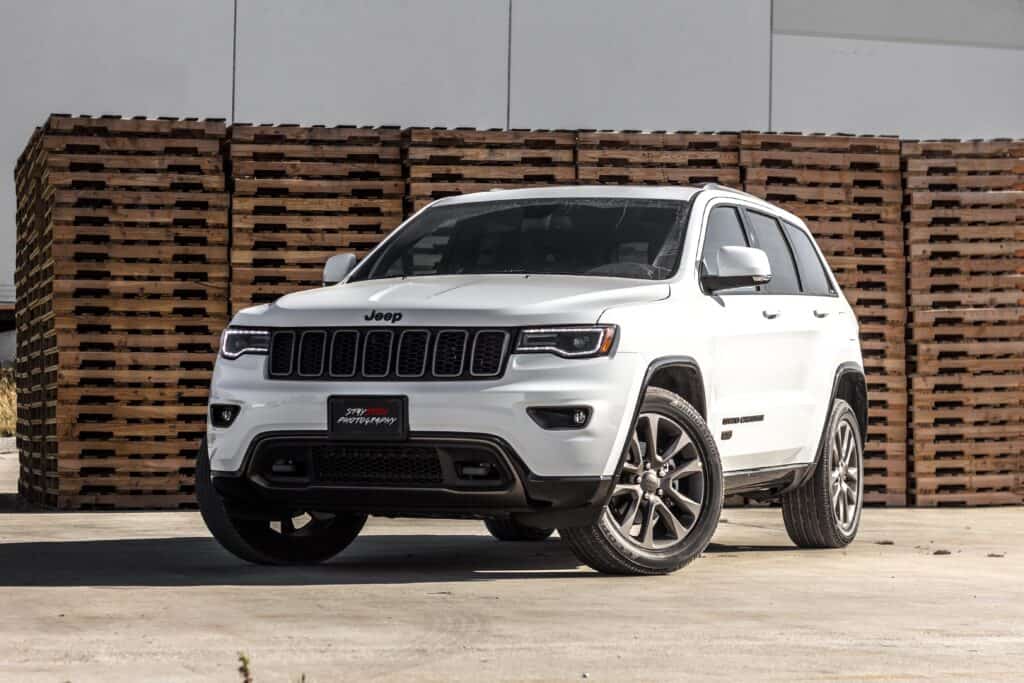
Summer in Boise brings bright sun, dry dust, warm pavement, and plenty of reasons to drive. Whether the destination is downtown, the foothills, a campground, or a longer Idaho road trip, a vehicle has to handle heat, glare, insects, gravel, and frequent temperature changes. A useful care routine protects safety, comfort, and resale condition without treating every car, truck, or SUV the same.
Exterior protection is especially relevant for vehicles that spend workdays outside or rack up highway miles. Options such as ceramic coating for cars in Boise, ID, can support easier cleaning and a well-maintained finish. Still, they work best as part of a larger routine that includes safe washing, timely maintenance, and realistic expectations.
A garage-kept commuter with a short daily route faces different demands than a family SUV parked outside near a sports field or a work truck traveling across dusty job sites. Sun exposure can fade trim and strain interior materials, while road grit and bugs can build up on paint, glass, lights, and lower body panels.
Mechanical maintenance and appearance care serve separate purposes, but both matter. A clean vehicle is easier to inspect, while dependable tires, cooling, and visibility systems make every Boise summer drive more manageable.
For owners comparing local surface-protection options, a search for automotive ceramic coating near me should be followed by practical questions about driving mileage, parking habits, wash routines, and which areas of the vehicle receive the most wear.
Why Summer Care Matters in Boise
Heat increases the workload on several systems at once. Tires heat up during longer drives, batteries can weaken, fluids need to remain at proper levels, and the air conditioning system has to work harder to keep the cabin comfortable. Strong sunlight also affects dashboards, leather, vinyl, plastics, rubber trim, and paint. The goal is not to eliminate all wear, which is impossible, but to reduce preventable damage before it becomes expensive or distracting.
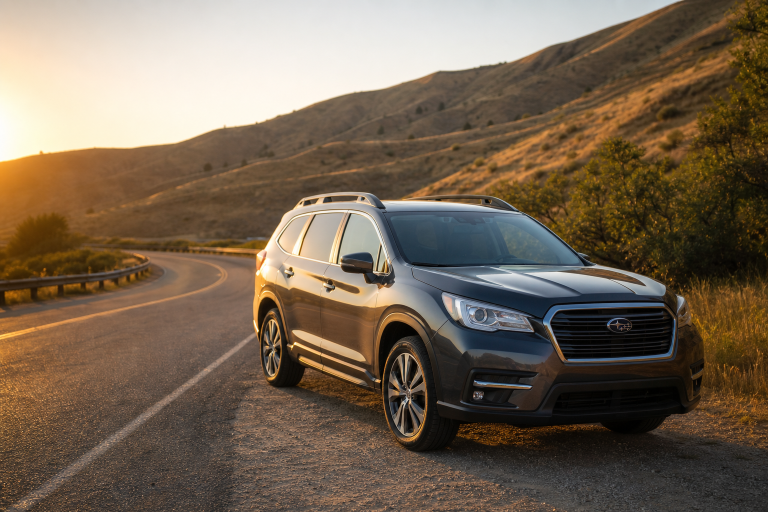
Start With Your Driving Habits
The right plan depends more on how a vehicle is used than on its price or age. Consider the routine before buying products or scheduling services.
- Daily commuters: Prioritize glare control, interior cleaning, sun protection, and regular washes.
- Highway drivers: Pay closer attention to tires, windshield condition, paint chips, and debris-prone front surfaces.
- Family SUVs: Focus on stain control, easy-clean seating surfaces, clean glass, and comfortable cabin temperatures.
- Work trucks: Watch for lower-body grime, cargo-area damage, wheel contamination, and embedded dirt.
- Weekend vehicles: Emphasize battery health, proper storage, paint preservation, and periodic deep cleaning.
Check Key Mechanical Systems
Safety checks should come before cosmetic upgrades and before any extended trip. Check tire pressure when tires are cold, using the pressure listed on the driver-side door label or in the owner’s manual. The tire maintenance guidance from NHTSA also recommends checking the tread, visible tire damage, and the spare regularly.
- Inspect tire tread, sidewalls, and valve stems for visible wear or damage.
- Test the battery, especially if cranking has become slow or inconsistent.
- Check engine oil, coolant, brake fluid, and washer fluid.
- Look for leaks, cracked hoses, worn belts, or fluid spots where the vehicle is parked.
- Test air conditioning before the hottest stretch of the season.
- Replace streaking or split wiper blades so summer rain does not compromise visibility.
Protect the Cabin From Heat and Glare
Cabin protection is about more than making a vehicle look darker. Legal window film may help reduce glare and solar heat, while privacy, visible-light transmission, and UV reduction are separate considerations. Darker is not automatically better, and Idaho drivers should confirm applicable tint requirements before selecting a shade.
A windshield sunshade, covered parking, and routine vacuuming are simple additions that make a difference. Remove sunscreen residue, food spills, dust, and pet hair before heat bakes them into upholstery or textured plastics. Conditioning products should be used carefully and according to the manufacturer’s guidance.
Protect Exterior Surfaces From Daily Wear
Each exterior-care option has a different job. Regular washing removes grit, bugs, tree residue, and road film. Detailing provides deeper cleaning and surface preparation. Paint correction can reduce selected swirls, haze, and light defects through polishing. Paint protection film is intended for high-impact areas, such as the front bumper, hood edge, mirrors, and rocker panels. Ceramic coatings can improve gloss and water behavior, making routine washing easier for many owners.
None of these options prevents every scratch, rock chip, stain, or collision. Avoid washing hot paint in direct afternoon sun, use clean mitts and soft drying towels, and promptly remove bird droppings or bug residue. Those habits often matter as much as the protection product itself.
Build a Simple Care Plan
Basic Plan
- Check tires and fluids monthly.
- Wash regularly and clean the windshield inside and out.
- Use a sunshade and choose shade when it is available.
- Remove sap, bugs, and bird droppings quickly.
Balanced Plan
- Add seasonal interior and exterior detailing.
- Choose legal glare-reduction and comfort upgrades.
- Use a sealant or coating suited to the owner’s washing habits.
- Protect high-impact areas if highway driving is frequent.
Long-Term Plan
- Schedule condition reviews and address defects early.
- Keep records of maintenance, tire service, and protection applications.
- Set recurring wash and inspection dates instead of waiting for visible buildup.
Use a Pre-Trip Checklist
Before leaving Boise for a longer drive, confirm that tire pressure, the spare tire, fluids, lights, wipers, air conditioning, and phone charging equipment are ready. Pack water, basic emergency supplies, and roadside contacts. AAA’s summer car care recommendations reinforce the value of inspecting tires, batteries, fluids, and cooling systems before busy travel periods.
Avoid Common Summer Care Mistakes
- Checking tire pressure immediately after driving instead of when the tires are cold.
- Assuming a coating will stop rock chips.
- Using harsh household cleaners on tinted glass or delicate cabin surfaces.
- Ignoring warning lights, unusual smells, weak cooling, or tire vibrations.
- Waiting until the day of departure to inspect a vehicle for a road trip.
Summer vehicle care in Boise works best when it follows a clear order: safety first, then comfort, protection, and appearance. A practical routine does not need every product or service available. It needs to match local conditions, the vehicle’s workload, and the owner’s priorities.