
Outdoor cleaning works best when it is treated as maintenance rather than a race to make every surface look new. Dirt, pollen, algae, tire marks, and leaf stains may seem similar at first glance, but the right cleaning method depends on the surface underneath them. Before choosing equipment, it helps to understand the basic purpose of Pressure Washing: using controlled water force to remove buildup from sturdy exterior areas. That approach can be useful, but the same spray that refreshes concrete can scar wood, loosen paint, or push water into places where it does not belong.
More Pressure Is Not Always Better
It is easy to assume that a stronger machine will produce a better result. In reality, cleaning success comes from matching pressure, nozzle width, distance, water temperature, and cleaning solution to the job. A wide fan spray held at a safe distance often does more good than a narrow, forceful stream aimed at one spot. Start every project by identifying the material and checking its condition. Look for cracking concrete, loose mortar, flaking paint, soft or splintered boards, failed caulk, damaged seals, and prior repairs. A small test area in an inconspicuous location can reveal whether the planned technique is too aggressive before damage spreads. Exterior upkeep may also involve adjacent indoor areas, particularly after tracked-in mud, renovation dust, or wet-weather traffic. In those situations, carpet cleaning is a separate task that should be planned after outdoor walkways and entry points have been cleaned and allowed to dry.
Match the Method to the Material
Concrete and masonry
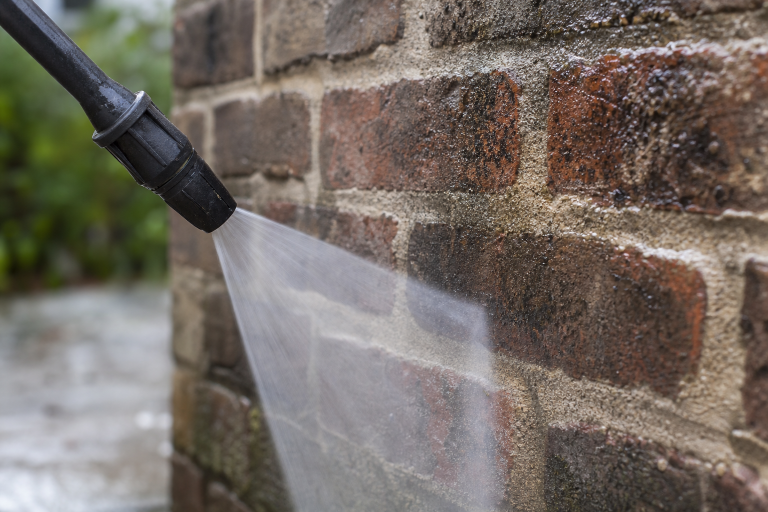
Concrete driveways, sidewalks, and patios are generally durable enough for a pressure-based method, especially when dealing with embedded dirt or tire marks. Even so, avoid concentrating the spray on cracks, crumbling edges, decorative finishes, or fresh concrete. Brick requires more caution because aging mortar joints can loosen under force. When joints are already deteriorating, cleaning should be gentle, and repairs should come first.
Vinyl siding and painted surfaces
Vinyl siding can be cleaned effectively with controlled pressure, but the spray should be directed downward or across the panels rather than upward into seams. Avoid forcing water behind siding, around window frames, into vents, or near exterior electrical components. Painted trim, shutters, and older finishes deserve a gentler approach because high pressure can strip paint that is still otherwise sound.
Wood decks and fences
Wood is especially vulnerable to gouging, splintering, raised grain, and loss of finish. Use lower pressure, a wider spray pattern, and steady movement. If a board feels soft, looks weathered, or has visible damage, do not assume more pressure will solve the problem. Cleaning may expose maintenance needs that should be addressed before staining or sealing.
Roofing materials
Roofs should not be treated like driveways. Strong spray can disturb shingles, remove protective granules, damage flashing, or drive water beneath roofing materials. For roof discoloration or biological growth, a low-pressure, surface-appropriate process is generally safer than direct high-pressure washing.
Pressure Washing and Soft Washing
Pressure washing relies mainly on mechanical force from water. Soft washing uses lower pressure alongside cleaning solutions designed to loosen organic growth and surface buildup. Neither method is automatically right for every property. Surface age, porosity, stain type, drainage, nearby plants, and existing damage all affect the decision. Soft washing is not simply a weaker version of pressure washing. It is a different approach that can be more appropriate for delicate materials.
Build a Seasonal Cleaning Schedule
- Early spring: Remove winter grime, pollen, and slippery buildup from steps, sidewalks, and entry areas.
- Late spring: Inspect decks, fences, patios, and siding before frequent outdoor use begins.
- Summer: Watch shaded, damp areas for algae, mildew, and recurring stains.
- Early fall: Clear buildup before leaves and prolonged wet weather settle in.
- After severe weather: Remove debris and inspect for damage before washing mud or stains away.
There is no universal schedule. Homes with heavy shade, nearby trees, high foot traffic, or humid conditions may need more frequent attention than open, dry properties.
Use a Safe Pre-Cleaning Checklist
Read the equipment manual, inspect hoses and fittings, and move furniture, vehicles, toys, and planters away from the work zone. Close windows and doors, protect delicate fixtures, and keep children, pets, and bystanders well outside the spray area. Wear eye protection, gloves, sturdy shoes, and clothing that covers exposed skin. The serious risks associated with pressure washers include high-pressure wounds, flying debris, electric shock, and carbon monoxide exposure from gasoline-powered equipment. Never operate a gas-powered unit inside a garage, shed, or other enclosed or partially enclosed area.
Use a Safer Cleaning Technique
- Begin with the widest nozzle pattern that can still remove the buildup.
- Start farther from the surface, then move closer only if necessary.
- Keep the wand moving to prevent visible lines, gouges, or etching.
- Work from the top down on walls and other vertical surfaces.
- Avoid direct spray into seams, outlets, vents, window seals, and door gaps.
- Rinse cleaning products before they dry and leave residue behind.
Manage Wash Water and Know When to Stop
Dirty runoff can carry sediment, oil, detergents, paint residue, and other contaminants. Because stormwater runoff can pick up dirt, chemicals, and sediment before reaching waterways, locate nearby storm drains before beginning. Use drain covers, berms, absorbent materials, or collection methods where appropriate, and check local disposal requirements. Consider trained assistance for steep roofs, tall walls, ladder work, fragile surfaces, unknown chemical stains, and areas near electrical equipment. If a test wash does not work, stop and reassess rather than immediately increasing pressure. A careful plan protects the surface, reduces injury risks, and helps outdoor areas remain safer and more useful over time.
Conclusion
Effective outdoor cleaning is about using the right method, not simply the strongest pressure. By identifying the surface, testing a small area, choosing appropriate equipment and cleaning products, and paying attention to water runoff and safety, homeowners can remove buildup without creating unnecessary damage. Seasonal cleaning can also help catch loose materials, deteriorating finishes, drainage problems, and other maintenance issues before they become more expensive to address. When a surface is fragile, damaged, difficult to access, or exposed to electrical or structural risks, professional evaluation may be the safer choice. A thoughtful approach keeps concrete, siding, wood, masonry, and other exterior areas cleaner while protecting their condition for longer.