
Living in Chicago presents unique challenges when it comes to controlling household pests. The city’s dense urban environment, diverse housing stock, and seasonal climate shifts make homes in the Windy City susceptible to a variety of unwanted invaders. Whether you live in a vintage Lakeview apartment or a single-family bungalow in Jefferson Park, addressing pest problems promptly and effectively is essential for your family’s comfort and safety. For residents seeking hassle-free pest prevention and professional support, Pointe Pest Control offers tailored solutions for Chicago homes.
Proximity to Lake Michigan, humid summers, and frigid winters all contribute to pest patterns unique to the area. Chicagoans commonly encounter ants, cockroaches, rodents, termites, and bedbugs lurking in crevices and basements. Neighborhoods with older buildings or high population density may experience more frequent infestations. Understanding and targeting these local challenges makes pest management more effective for homeowners and renters across the city.
Common Household Pests in Chicago
Chicago’s neighborhoods are home to a variety of pests, some of which thrive due to the city’s age and climate. Below are the most common intruders:
- Ants: Attracted by food and moisture, ants frequently invade kitchens and pantries. Pavement ants and carpenter ants are especially prevalent in Chicago’s older buildings.
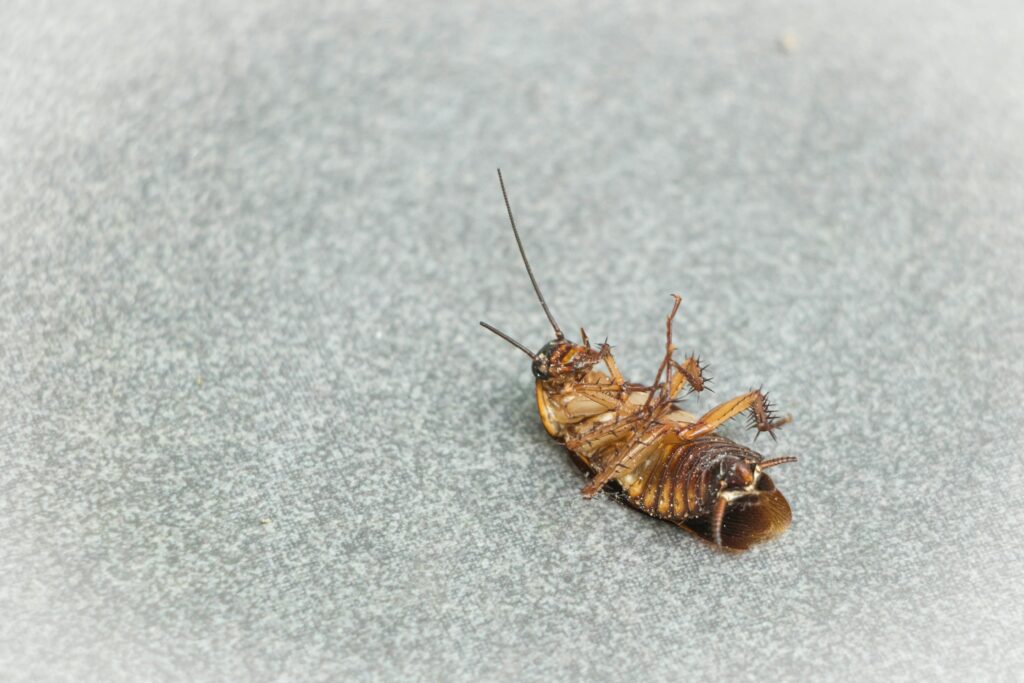
- Cockroaches: High-rise and multifamily properties often struggle with German and American cockroaches, both of which multiply quickly and spread bacteria.
- Rodents: The city’s alleyways and basements provide ample shelter for mice and rats. Rodents can damage property, chew wiring, and pose health risks through contaminated droppings.
- Termites: Subterranean termites threaten homes with wooden framing or flooring, especially during damp spring and fall seasons.
- Bedbugs: Increased travel and apartment turnover have made bedbug infestations a persistent problem in Chicago, particularly around tourist hotspots and transit lines.
Preventive Measures
Preventing pests is vital for city residents who want to avoid larger infestations. The following steps can help keep your Chicago home secure:
- Seal Entry Points: Use caulk to seal cracks near baseboards, utility pipes, and window frames. In Chicago’s cold winters, pests often sneak in through even the smallest gaps.
- Maintain Cleanliness: Regularly clean floors, counters, and pet feeding areas. Eliminating crumbs and food residue helps deter insects and rodents.
- Manage Waste Properly: Use covered bins and remove trash frequently, especially in buildings with shared dumpsters or alley pickups.
- Eliminate Standing Water: Repair leaks around sinks and plumbing, and check basements for moisture, which attracts pests during humid Chicago summers.
- Trim Vegetation: Cut back tree branches and shrubs near windows and foundations to reduce pathways for ants and rodents.
Infrastructure improvements in neighborhoods, such as rodent-proof trash containers and prompt sanitation pickups, also support community efforts to prevent infestations.
Safe Elimination Methods
If pests manage to breach your defenses, use these methods to address the issue effectively while prioritizing safety:
- Ants: Place bait stations with sweet or protein-based attractants in affected areas, such as kitchen corners and pantry shelves. Keep these out of children’s reach.
- Cockroaches: Apply diatomaceous earth or boric acid behind appliances and in cabinets. These products disrupt cockroach lifecycles without harming humans or pets when used as directed.
- Rodents: Use snap traps or humane catch-and-release options in basements, attics, and storage areas. Check traps frequently and dispose of captured rodents quickly to prevent odors and disease.
- Termites: Install in-ground bait systems and schedule annual inspections to detect early signs of wood damage. If activity is detected, professional treatment is often required.
- Bedbugs: Launder bedding and linens on the hottest cycle. Vacuum mattress seams, box springs, and baseboards, and consider using specialized covers to trap existing insects.
For best practices regarding chemicals and natural remedies, the Environmental Protection Agency offers a detailed guide on pest control and pesticide safety. Combining these treatment methods with regular preventive maintenance can help reduce the likelihood of future infestations and keep your home better protected year-round.
When to Seek Professional Help
While DIY methods can be effective for minor pest infestations, some situations require the expertise of professional exterminators. Persistent pest problems may indicate hidden nests or entry points that require expert identification. Health concerns are also important to consider; rodents and cockroaches can worsen asthma and allergies, particularly affecting children and seniors in densely populated areas like Chicago. Signs of wood damage, such as sagging floors, often indicate a serious termite infestation that requires immediate attention. Furthermore, trained exterminators can safely carry out treatments in sensitive environments, such as high-rises and multi-unit buildings, ensuring the safety of residents and pets.
Conclusion
Chicago’s urban character, changing seasons, and dense neighborhoods present unique pest control challenges, but these can be addressed through vigilance and community-minded strategies. By identifying common local pests, adopting consistent preventive measures, and knowing when to call in a professional pest control service, you can maintain a safe and comfortable home year-round. Staying informed about local trends and best practices will protect not only your property but also your community’s well-being.