
Understanding the financial commitment of homeownership extends far beyond the mortgage payment. A crucial,, aspect is budgeting for ongoing maintenance and potential repairs. Neglecting this financial foresight can lead to significant stress and unexpected expenses, which, as statistics show, is a major source of homeowner regret.
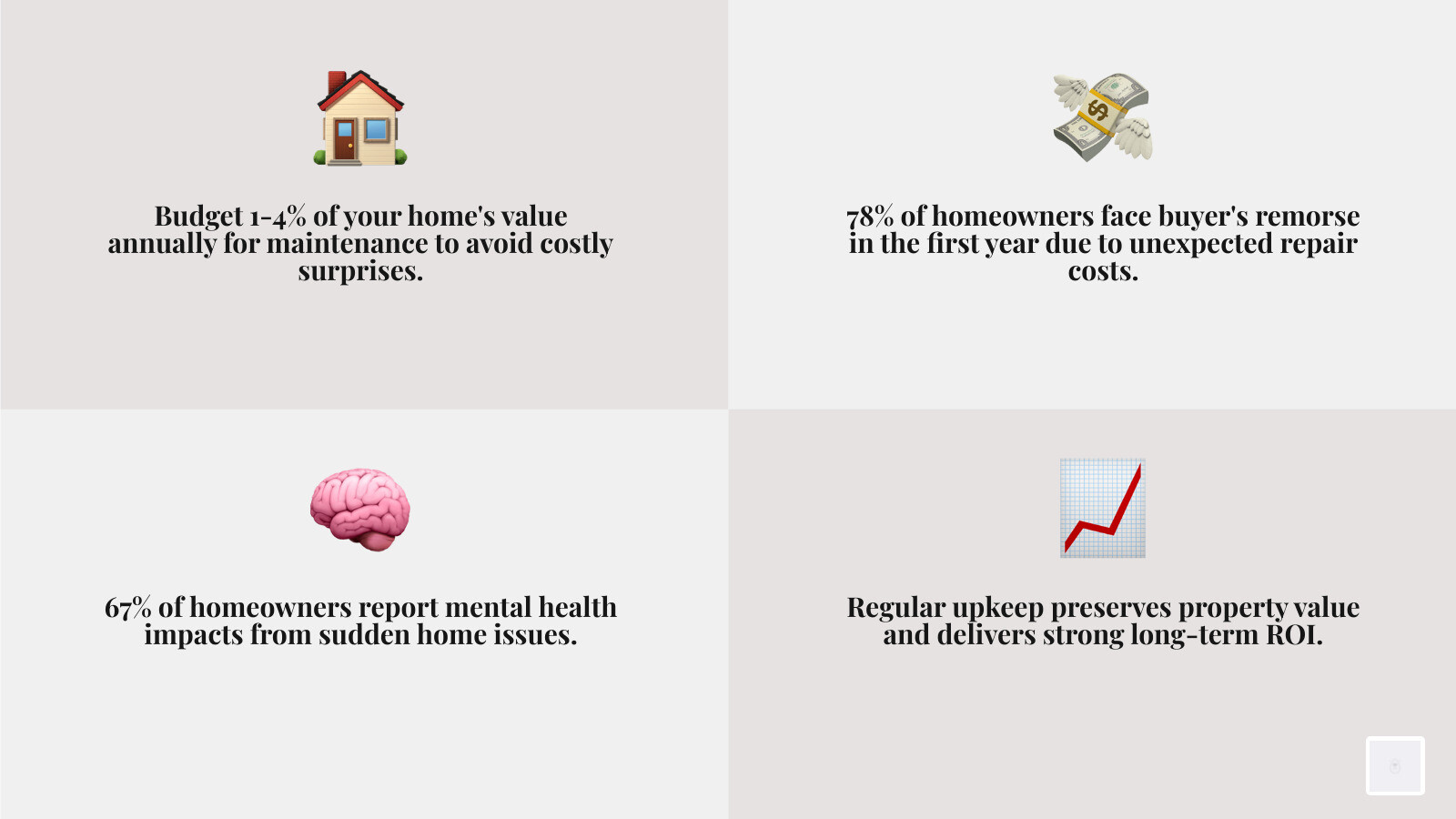
We often hear about the “rule of thumb” for home maintenance budgeting: setting aside 1% to 4% of your home’s value annually. This range accounts for various factors, primarily the age and condition of your property. For a newer home, budgeting closer to 1% might suffice, but for a home that’s 30 years or older, you should aim for the higher end, closer to 4%. To put this into perspective, for a home valued at $350,000, this translates to an annual budget of $3,500 to $14,000. This fund isn’t just for emergencies; it covers both routine upkeep and larger, anticipated replacements.
Home Age Recommended Annual Maintenance Budget (as % of home value) Example for a $350,000 Home New (0-5 years) 1% $3,500 Mid-Age (5-20 years) 2-3% $7,000 – $10,500 Older (20+ years) 3-4% $10,500 – $14,000 This proactive financial planning is essential for mitigating the impact of unexpected repairs. Research indicates that a staggering 78% of homeowners experience buyer’s remorse within the first 12 months of ownership, largely due to unforeseen repair costs. Furthermore, these issues aren’t just financial; they take a toll on well-being, with 67% of homeowners reporting that unexpected home problems affected their mental health, and 63% noting an impact on their relationships. By building a dedicated maintenance fund, we can cushion these blows, transforming potential crises into manageable inconveniences.
It’s important to distinguish your home maintenance budget from a general emergency fund. While an emergency fund is for broader life events, a maintenance fund is specifically earmarked for your property. This allows for better financial organization and ensures that when a roof repair or appliance replacement becomes necessary, the funds are readily available. We also advise understanding your home insurance deductibles. While insurance covers sudden, accidental damage, routine wear and tear or gradual issues are typically not covered. Your maintenance budget should account for these non-insured costs and the deductible amounts for covered perils.
By consistently contributing to this fund, we not only avoid going into debt for repairs but also ensure our home remains a valuable asset. The long-term return on investment from regular property upkeep is undeniable.
Essential Monthly and Seasonal Checklists
Proactive maintenance is the cornerstone of responsible homeownership. It’s about staying ahead of potential problems, rather than reacting to costly emergencies. Establishing regular checklists, both monthly and seasonally, helps us systematically address our home’s needs, ensuring safety, efficiency, and longevity.

Essential Monthly Home Maintenance Tasks
Many critical tasks can and should be performed monthly to keep our homes running smoothly and safely. These small, consistent efforts prevent larger, more expensive issues down the line.
- HVAC Filters: Changing or cleaning HVAC filters monthly, especially during peak heating and cooling seasons, is vital. This improves air quality, increases system efficiency, and extends the lifespan of your unit. While some recommend quarterly, monthly checks are ideal, particularly if you have pets or allergies.
- Smoke and Carbon Monoxide (CO) Alarms: Test all smoke and CO detectors monthly by pressing the test button. This simple check ensures they are functioning correctly. While batteries should be changed twice a year (often with daylight saving time), the detectors themselves, both hard-wired and battery-powered, should be replaced every 10 years.
- Fire Extinguishers: Check the pressure gauge on your fire extinguishers monthly to ensure it’s in the green zone. Familiarize yourself and your family with their location and how to use them.
- Garbage Disposals: Run your garbage disposal with cold water daily, and monthly, grind a cup of ice cubes with a cup of salt, followed by citrus peels, to clean blades and freshen the drain.
- Faucet Aerators: Clean faucet aerators every three to four months, but a quick monthly check for mineral buildup or reduced water flow can help prevent issues. Unscrew them, clean with a brush and vinegar solution, then reattach.
- Electrical Cords: Inspect all electrical cords for fraying or damage. Replace any compromised cords immediately to prevent electrical hazards.
- Drain Cleaning: Pour a mixture of baking soda and vinegar down drains, followed by hot water, to help prevent clogs and keep pipes clear. Avoid harsh chemical cleaners that can damage pipes over time.
Seasonal Home Maintenance Cycles
Beyond monthly tasks, our homes require specific attention as the seasons change. Adapting our maintenance routine to the weather helps protect against seasonal challenges, from winter’s freeze to summer’s heat.
- Spring Cleaning & Preparations: As winter thaws, spring is the time for thorough inspections. We focus on cleaning gutters and downspouts, inspecting the roof for winter damage, servicing the air conditioning unit, and checking window screens for tears. It’s also an ideal time for exterior cleaning and preparing outdoor spaces.
- Summer Maintenance: With warmer weather, summer is perfect for addressing exterior repairs like painting, deck maintenance, and fence repairs. We also ensure our HVAC systems are running efficiently and flush our water heaters to remove sediment.
- Fall Preparations & Winterization: Fall is crucial for preparing our homes for colder temperatures. This includes cleaning gutters again, servicing heating systems, checking insulation, and winterizing outdoor faucets and sprinkler systems to prevent frozen pipes. Chimney cleaning is also essential before the heating season begins.
- Winter Maintenance: During winter, focus shifts indoors. We monitor heating systems, check for drafts, and ensure proper insulation. It’s also a good time for indoor projects and ensuring pathways are clear of snow and ice.
For a more detailed breakdown of tasks throughout the year, we find resources like The Ultimate Home Maintenance Checklist Monthly and by Season to be incredibly helpful, offering comprehensive guidance for every part of your home.
Maintaining Critical Indoor and Outdoor Systems
Our homes are complex ecosystems of interconnected systems, each requiring specific attention to function optimally. From the hidden plumbing network to the protective exterior shell, understanding and maintaining these critical components is vital for overall home health.

Indoor Plumbing and Appliance Care
The plumbing system is the lifeblood of our homes, and proactive care can prevent costly water damage. The average home insurance claim for water damage costs upwards of $12,000, highlighting the financial risk of neglect.
- Water Heaters: We recommend flushing your water heater annually to remove sediment buildup. This simple task extends its lifespan and maintains efficiency. Neglecting this can lead to premature failure, and a replacement water heater can cost anywhere between $1,000 to $1,500 or more. For homes utilizing well systems, understanding the nuances of your water supply is key. Proper Well tank maintenance Derry is crucial to ensure consistent water pressure and quality, preventing issues that could impact your water heater and other fixtures.
- Leak Detection: Regular checks for leaks are paramount. Families in WaterSense labeled homes, for example, can save more than 50,000 gallons of water and over $700 in water and energy costs per year! This highlights the impact of even small, undetected leaks. Check toilets for silent leaks by adding food coloring to the tank; if color appears in the bowl without flushing, the flapper needs replacing. Inspect under sinks and around appliances for any signs of moisture.
- Toilet Flappers & Showerhead Scale: Replace toilet flappers every five years to prevent leaks. Clean showerheads and faucet aerators regularly with vinegar to remove mineral deposits and maintain optimal water flow.
- Pipe Insulation: In colder climates, insulating exposed pipes can prevent freezing and bursting, a common cause of severe water damage.
- Dishwasher Cleaning: Run your dishwasher empty with a cup of white vinegar on a hot cycle monthly to remove grease and food particles, preventing clogs and odors.
- Septic Systems: For homes with septic tanks, regular maintenance is non-negotiable. Pumping your septic tank every 3-7 years, depending on household size and usage (more frequently if you use a garbage disposal), is essential. For those seeking expertise in managing their wastewater systems, consulting Septic system home maintenance resources can provide invaluable insights into proper care and longevity.
- Mold Prevention: Ensure proper ventilation in bathrooms and kitchens to prevent mold growth, especially after showers or cooking. Address any leaks promptly to eliminate moisture sources.
- Pressure Valves: Check your home’s water pressure. Ideally, it should be between 45 and 60 psi. High water pressure can stress pipes and fixtures, leading to leaks and premature wear. A pressure reducing valve (PRV) can be installed to regulate this.
- Refrigerator Coils: Vacuum the condenser coils on the back or underneath your refrigerator twice a year. This improves efficiency and extends the appliance’s life.
- Dryer Vents: Clean your dryer vent and ductwork annually to prevent lint buildup, which is a leading cause of house fires and reduces drying efficiency.
Exterior Envelope and Structural Protection
The exterior of our home acts as its primary defense against the elements. Maintaining its integrity is crucial for protecting the interior and preserving structural soundness.
- Roof Shingles & Inspections: We cannot overstate the importance of a healthy roof. A qualified roofer should inspect your roof every three years to identify missing or damaged shingles, flashing issues, and potential leaks before they escalate. Regular visual checks from the ground after storms are also a good practice.
- Gutters and Downspouts: Keep gutters and downspouts clear of leaves and debris, especially in spring and fall. Clogged gutters can lead to water overflowing, damaging siding, foundations, and landscaping. Ensure downspouts direct water at least 2-3 feet away from the foundation.
- Siding Integrity: Inspect siding annually for cracks, warping, or damage. Repair or replace compromised sections to prevent moisture intrusion and pest entry.
- Window Caulking & Weatherstripping: Check the caulking around windows and doors annually. Reapply as needed to prevent drafts, moisture intrusion, and improve energy efficiency. Inspect weatherstripping for wear and tear.
- Foundation Cracks: Regularly inspect your foundation for cracks. Small hairline cracks might be cosmetic, but larger or widening cracks, especially those wider than 1/8 inch, warrant professional assessment.
- Pest Control: Seal any cracks or openings in your home’s exterior to prevent pests from entering. Trim shrubbery away from the siding to deter insects and rodents from nesting close to your home.
- Tree Trimming: Trim tree branches that overhang your roof or are too close to your house. This prevents damage during storms and reduces debris accumulation in gutters.
- Garage Door Lubrication: Lubricate the moving parts of your garage door (rollers, hinges, springs) every three months with a silicone-based spray to ensure smooth operation and extend its lifespan.
For a comprehensive guide to outdoor tasks throughout the year, we often refer to resources like the Annual Home Maintenance Checklist to ensure we cover all bases.
Navigating Repairs: DIY vs. Professional Intervention
One of the ongoing decisions homeowners face is when to tackle a repair ourselves and when to call in a professional. While DIY can save money and build valuable skills, knowing our limits is crucial to prevent further damage, ensure safety, and comply with building codes.
Simple DIY Repairs
Many common household issues are well within the capabilities of the average homeowner with basic tools and a little guidance.
- Faucet Washers & Minor Leaks: A dripping faucet is often remedied by replacing a worn washer or O-ring. This is a straightforward task that can save gallons of water and prevent higher utility bills.
- Clogged Drains: For slow or completely clogged drains, a plunger is often the first line of defense. If that doesn’t work, a basic plumbing snake can clear many blockages. However, for recurring clogs or deeper issues, professional help is advisable.
- Wall Patching: Small holes from picture frames or minor scuffs can be easily patched and painted over, restoring the aesthetic appeal of your walls.
- Noisy Pipes: “Water hammer” or banging pipes can sometimes be fixed by securing loose pipes or installing water hammer arrestors.
When to Call a Professional
There are clear instances where professional expertise is not just recommended, but essential. These tasks often involve complex systems, safety risks, or require specialized tools and knowledge.
- Electrical Hazards: Any work involving your home’s electrical system beyond changing a lightbulb or resetting a breaker should be left to a licensed electrician. Incorrect wiring can lead to fires, electrocution, or damage to appliances.
- Structural Renovations: Major renovations that involve altering load-bearing walls, adding new structures, or significantly changing the layout of your home require the expertise of architects, engineers, and licensed contractors. These projects impact the safety and integrity of your entire home.
- Roof Inspections & Major Repairs: While we can visually check our roofs from the ground, getting onto the roof, especially a steep or high one, can be dangerous. A qualified roofer has the experience to spot subtle issues and the equipment to safely perform repairs. A professional should inspect your roof every three years.
- Chimney Cleaning: If you use your fireplace frequently, an annual inspection and cleaning by a CSIA-certified chimney sweep is critical. This prevents creosote buildup, which can lead to dangerous chimney fires, and ensures proper ventilation of combustion gases.
- Complex Plumbing Issues: While we can handle minor leaks and clogs, major pipe bursts, persistent drain issues, water heater malfunctions, or any work requiring significant pipe replacement should be handled by a licensed plumber.
- HVAC System Servicing: Beyond changing filters, annual professional servicing of your heating and cooling systems ensures they run efficiently, safely, and extends their lifespan. This involves checking refrigerants, electrical components, and overall system performance.
For homeowners looking for reliable, comprehensive assistance with their property, whether it’s routine maintenance or complex renovations, finding trusted local experts is key. For instance, homeowners looking for Albuquerque home maintenance experts often seek out professionals who can manage a wide range of services, ensuring quality and peace of mind for both small and large projects. Understanding when to trust the professionals allows us to maintain our homes effectively and safely, protecting both our property and our families.
Common Homeowner Questions and Answers
As homeowners, we frequently encounter similar questions regarding the best practices for maintaining our properties. Here, we address some of the most common inquiries to provide clarity and actionable advice.
How much should I budget annually for home upkeep?
As discussed earlier, the widely accepted guideline is to budget 1% to 4% of your home’s value per year for maintenance costs, which includes both repairs and replacements. The age of your home is a significant factor in this percentage. Newer homes (under 5 years old) typically fall on the lower end of this spectrum, around 1%. As your home ages, particularly beyond 20-30 years, the percentage increases, potentially reaching 3-4%, due to the increased likelihood of major system replacements (like HVAC, roof, or water heater) and general wear and tear.
It is wise to track your actual spending on home maintenance over a few years. This personal data can help you refine your budget to better suit your specific home’s needs and your local climate. Establishing a dedicated cash reserve for these expenses prevents financial strain when larger repairs inevitably arise.
How often should safety devices be checked or replaced?
Safety devices are non-negotiable for every home, and their regular maintenance is paramount.
- Smoke and Carbon Monoxide (CO) Detectors: We recommend testing these devices monthly by pressing the test button. This confirms they are powered and functioning. The batteries, whether in standalone units or as backups for hard-wired systems, should be replaced at least twice a year (a common practice is to do this when daylight saving time changes). Crucially, the entire unit, both hard-wired and battery-powered detectors, should be replaced every 10 years. Sensors degrade over time, and older units may not provide adequate protection.
- Fire Extinguishers: Check the pressure gauge on your fire extinguishers monthly to ensure it remains in the “green” zone. Familiarize yourself with their expiration dates and have them serviced or replaced as needed.
- Ground Fault Circuit Interrupters (GFCIs): Test GFCI outlets monthly by pressing the “test” button, which should trip the breaker, then the “reset” button to restore power. This ensures they are working correctly to prevent electrical shocks in areas prone to moisture.
When is it necessary to hire a professional for inspections?
While many maintenance tasks can be handled by homeowners, certain inspections and services require the expertise of certified professionals to ensure safety, compliance, and thoroughness.
- Roofing Experts: A qualified roofer should inspect your roof every three years, or immediately after a severe storm. They can identify subtle damage, assess the remaining lifespan of your roof, and perform necessary repairs safely.
- CSIA-Certified Chimney Sweeps: If you have a fireplace or wood-burning stove, a CSIA-certified chimney sweep should inspect and clean your chimney annually, especially if you use it frequently. This prevents creosote buildup, which is a significant fire hazard, and ensures proper ventilation.
- Electrical Audits: If you experience frequent tripped breakers, flickering lights, or outdated wiring, a licensed electrician should perform an electrical audit. They can identify potential hazards, upgrade your system, and ensure it meets current safety codes.
- Licensed Plumbers: For complex plumbing issues like persistent leaks, low water pressure, sewer line problems, or water heater malfunctions, a licensed plumber is indispensable. Their expertise prevents misdiagnosis and ensures repairs are done correctly, avoiding further damage.
- HVAC Technicians: Annual inspections and tune-ups by a certified HVAC technician are vital for both your heating and cooling systems. They ensure efficient operation, identify potential failures, and extend the life of your expensive equipment.
Conclusion
Embracing a proactive approach to home maintenance is one of the most rewarding aspects of homeownership. It transforms what might seem like a daunting list of chores into a strategic plan for protecting your most significant investment. By diligently following monthly and seasonal checklists, understanding the unique needs of your indoor and outdoor systems, and knowing when to confidently tackle a DIY project versus calling a trusted professional, we can significantly reduce stress and avoid costly emergencies.
Regular home maintenance is about more than just fixing things; it’s about preserving your peace of mind, extending the life of your property, and retaining its value for years to come. It ensures your home remains a safe, comfortable, and efficient sanctuary for you and your family. For further comprehensive guidance on maintaining your home, we recommend consulting resources like The Homeowner’s Guide to Home Maintenance – My Home by Freddie Mac. By adopting these proactive habits, we empower ourselves to be not just homeowners, but truly responsible stewards of our cherished living spaces.