Ask five lake owners which dock style is best and expect five confident answers. Each one is probably right for their own shoreline and wrong for the next. The real question is which design fits the water, the soil, and the way the dock will be used.
How Floating Docks Work and Where They Shine
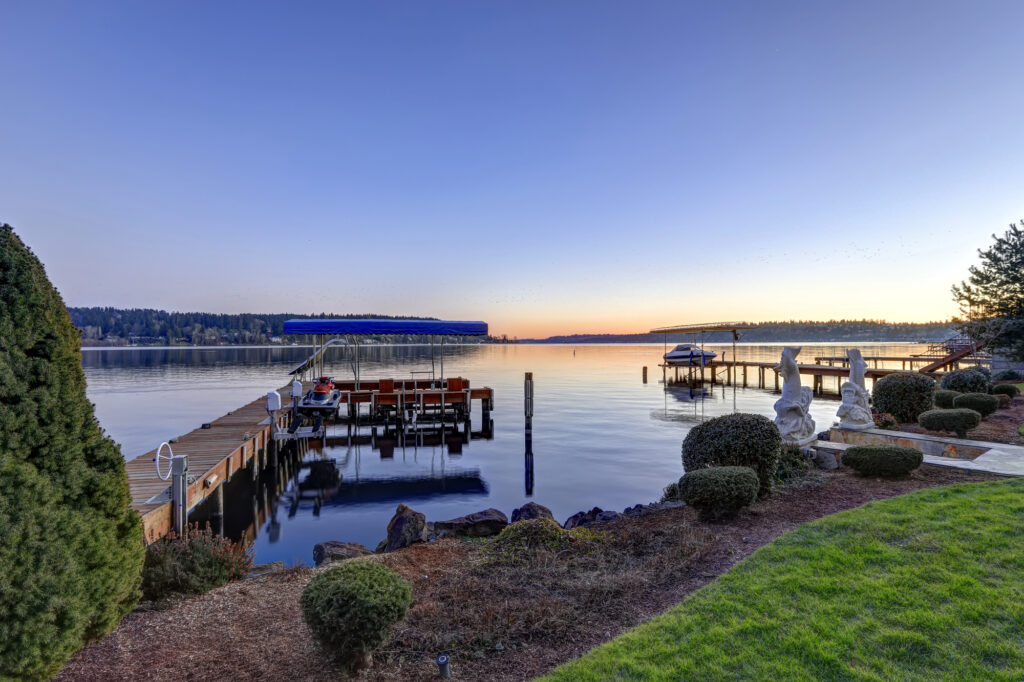
Floating docks ride on buoyant floats and rise and fall with the water. Anchors or pile guides keep them in place, and hinged ramps connect them to shore. Reservoirs, tidal rivers, and flood-control lakes suit this style best, since water levels there can swing several feet in a season. The deck stays at a steady height for boarding, no matter how high or low the water sits.
Installation is simpler too. Without deep foundations, crews work faster with lighter equipment, and soft or rocky bottoms matter far less. An aluminum floating dock also comes apart in sections, so owners in cold regions can pull it out before ice forms. Modular layouts let marinas and resorts add slips later instead of rebuilding.
What Do Fixed Docks Do Better?
Fixed docks stand on posts or cribs set into the bottom, and they feel solid underfoot. Deep, calm water with steady levels and firm soil gives them their best conditions. Heavy commercial uses, like fuel handling or cargo, sometimes call for that rigid footing.
Limits show up quickly, though. Rising water can bury the deck, and falling water can leave the end hanging over mud. Ice can grip posts and lift them a little more each winter, and driving piles through rock or muck adds cost. Permit offices also tend to review fixed structures more closely, since they disturb more of the lakebed.
Combination Docks Solve Problems Neither Style Handles Alone
Hybrid layouts pair a fixed section near shore with a floating platform farther out. Solid footing on land makes walking easier, while the floating end follows the water over deeper areas. Steep banks, long approaches, and shorelines with firm soil near the edge all work well with this setup.
Some owners go the other way and keep the fixed portion as a permanent walkway while swapping floating slips seasonally. Experienced floating dock builders mix the styles when a single type cannot cover the full site, and the result often costs less than extending a fixed pier into deep water.
Which Style Matches Your Water, Soil, and Rules?
Start with level changes. If depth moves more than a foot or two, floating or combination designs usually make more sense. Bottom type comes next, since mud, sand, and rock each change anchoring and piling costs. Exposure to wind, wakes, and ice also matters, along with local rules on dock length, surface area, and open decking.
Boat size and traffic round out the picture. A family dock needs far less than a busy marina, and commercial owners should plan slip counts for today and for five years from now. Shoppers browsing aluminum boat docks for sale can speed up the process by gathering depth readings, bottom notes, and shoreline photos before asking for quotes.
Why Does Aluminum Work Across All Three Styles?
Marine-grade aluminum resists rot, rust, and splinters, so upkeep comes down to rinsing and checking hardware. The light frame trims shipping and installation costs, and powder-coated finishes hold color for years. Open-grate decking lets light reach plants and fish, which many lakes now require.
Buyers comparing aluminum docks for sale should ask about tubing thickness, weld style, float construction, and warranty terms, since those details separate a durable system from a cheap one. Stainless hardware also prevents galvanic corrosion, a quiet cause of early failure.
Sorting through the three styles goes smoother with a manufacturer that designs all of them, and Flotation Systems covers that ground for homes, resorts, and marinas. They build custom aluminum boat docks around the site’s depth, soil, and exposure, then recommends floating, fixed, or hybrid layouts based on real conditions. Photos, depth readings, and a short description of intended use are usually enough to get a clear recommendation started.