
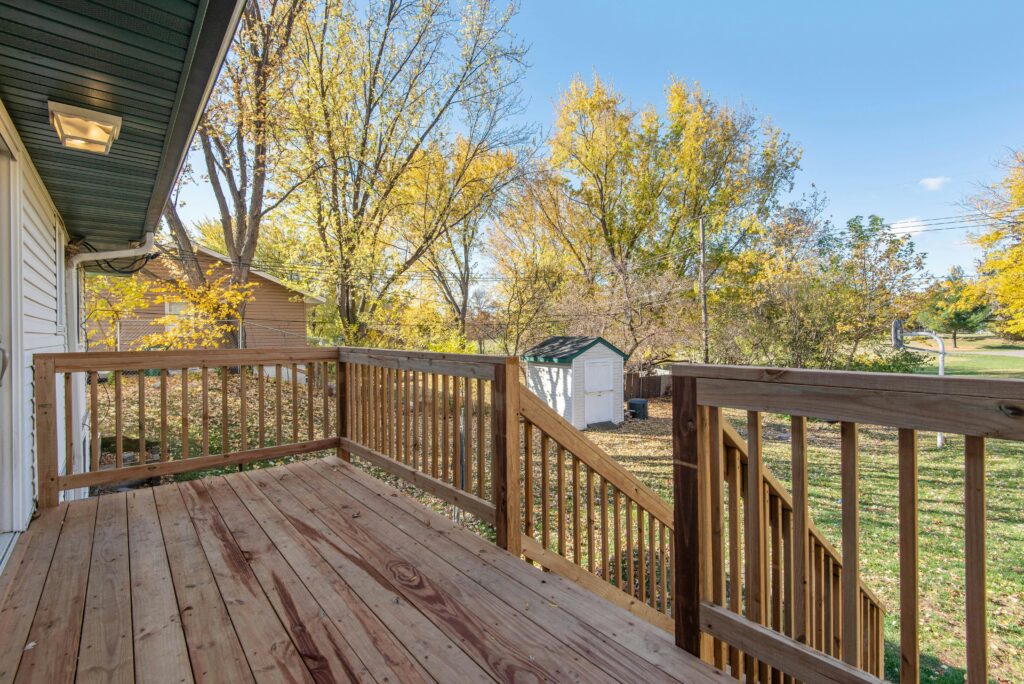
Before any board is laid, meticulous preparation forms the bedrock of a successful hardwood decking project. This initial phase ensures structural integrity, regulatory compliance, and the long-term beauty of your outdoor space. We always begin by consulting local building codes and obtaining all necessary permits. Engaging with an architect or experienced deck designer can provide invaluable insights, especially for complex designs or challenging sites. A thorough site assessment is crucial, focusing on soil stability, existing structures, and effective drainage planning. Understanding these environmental factors from the outset helps prevent future issues. For those embarking on an Ipe decking installation, these preliminary steps are especially vital, given the material’s density and longevity. We also consider the wood’s inherent moisture content and conduct material testing to ensure it’s suitable for the intended application.
Storage and Acclimation Protocols
Hardwood decking, particularly dense tropical species, is a natural material that responds to its environment. Proper storage and acclimation are paramount to minimize movement and ensure stability after installation. Upon delivery, we recommend allowing the decking to acclimate on the job site for at least seven days. During this period, the wood adjusts to the local humidity and temperature conditions.
To facilitate optimal acclimation, the decking should never be stored directly on the ground or cement. Instead, elevate the bundles at least 12 inches using wooden blocks or dunnage, ensuring ample airflow beneath. We utilize wooden stickers (small strips of wood) placed between layers of boards within the bundles to promote even air circulation throughout the material. While protecting the top of the pile with plywood to shed water is advisable, avoid covering the entire stack with plastic or tarps, as this can trap moisture and hinder proper acclimation. Our goal is to achieve moisture equilibrium with the surrounding environment, preparing the wood for its new home. Always keep the material dry until installation.
Understanding Material Profiles
Hardwood decking comes in various profiles, each suited for different applications. The most common are standard and pregrooved boards. Standard decking typically has square edges and is fastened through the face or with specific hidden clips. Pregrooved boards feature a milled groove along the side, designed to accept hidden fastening systems, resulting in a clean, fastener-free surface.
For covered outdoor areas like porches or patios, tongue-and-groove (T&G) porch flooring provides a seamless, gap-free surface. However, it’s crucial to understand that T&G is only suitable for covered applications where it’s protected from direct rain and excessive moisture. Installing T&G on an uncovered deck can lead to significant problems, such as cupping, swelling, and buckling, due to water accumulation.
When considering expansion coefficients, kiln-dried (KD) and air-dried (AD) hardwoods behave differently. Kiln-dried material, typically with a moisture content of 12-14%, is ready for installation upon delivery but may expand slightly in humid environments. Air-dried material, often with a moisture content of around 18%, will primarily shrink after installation as it dries further. This difference dictates initial board spacing, which we will discuss later. Regardless of the profile or drying method, understanding these characteristics helps us anticipate wood movement and plan accordingly.
Structural Requirements and Ventilation
The substructure of your deck is just as important as the decking itself. It provides the necessary support and dictates the longevity and stability of your hardwood surface. We always use pressure-treated lumber for the framing, especially for components in contact with the ground, to ensure resistance against rot and decay. When installing joists, we orient them “crown-up,” meaning the slight natural curve of the wood faces upward. This ensures that as the joist settles, it flattens rather than sags.
Choosing the correct joist spacing is critical for supporting dense hardwoods. For 1×4 and 1×6 decking, joists are typically installed on 16-inch centers. For thicker 5/4×4 and 5/4×6 decking, joists can often be spaced on 24-inch centers. However, if you’re installing decking on an angle, we recommend reducing joist spacing to 12-inch centers to provide adequate support and prevent deflection. These specifications contribute to the deck’s overall load-bearing capacity, ensuring it can safely withstand foot traffic and furniture for decades to come.
The Critical Role of Ventilation
One of the most overlooked, yet vital, aspects of hardwood deck installation is proper ventilation beneath the deck. Without adequate airflow, moisture can accumulate, leading to significant problems such as cupping, warping, and even premature decay. We strive to achieve a minimum of 18 inches of open air under the joists, combined with open sides, to ensure effective cross-ventilation. This continuous air circulation helps to equalize moisture content on both the top and bottom surfaces of the deck boards, preventing uneven expansion and contraction.
Groundside moisture is a primary culprit for deck issues. If the area beneath the deck is enclosed or has limited airflow, moisture can become trapped, causing the underside of the boards to swell while the top dries out, resulting in cupping. When designing or installing skirting around the deck perimeter, it is crucial that the skirting does not obstruct cross-ventilation. We often incorporate vents or ensure gaps in skirting to maintain unobstructed airflow, safeguarding the hardwood’s stability and appearance.
Drainage and Pitch Specifications
Effective water drainage is essential to prevent standing water on the deck surface and beneath it, which can accelerate wear and lead to structural problems. We recommend a minimum deck pitch of 1/4 inch per 10 feet, sloping away from the house or primary structure. This subtle slope ensures that rainwater runs off the surface efficiently, preventing pooling and minimizing water absorption by the wood.
Beyond the deck surface, managing water beneath the structure is equally important. The ground beneath the deck should be sloped away from the house to eliminate any standing water. In close-to-ground applications, particularly when the deck surface is 60 inches or less above the ground, we implement additional measures. A vapor barrier, such as heavy-duty polyethylene sheeting, is necessary on the ground to prevent moisture from evaporating and being absorbed by the underside of the deck boards. This proactive step significantly reduces the risk of moisture-related issues, contributing to the deck’s longevity. For decks with wider boards (e.g., 6-inch material), greater clearance is often necessary to compensate for their increased susceptibility to cupping if ventilation is compromised.
Best Practices for Cutting and Fastening
Working with dense hardwoods like Ipe requires specialized tools and techniques to achieve clean cuts and secure fastenings. Standard woodworking tools may struggle or quickly dull when confronted with the inherent hardness of these materials. We recommend using premium carbide-tipped saw blades for cutting, as they retain their sharpness longer and produce cleaner edges. For drilling, high-speed steel drill bits or specialized brad point bits are excellent choices, as they create precise, clean holes without wandering.
When drilling, especially for pilot holes, it’s important to use cooling techniques. Dense hardwoods generate significant heat, which can quickly dull bits. We often take “ins and outs” with the drill bit, retracting it periodically to clear sawdust and allow the bit to cool. This not only prolongs the life of your bits but also ensures consistent, clean holes. Precision cutting and drilling are critical for a professional finish and to prevent splitting, especially near board ends.
Here is a list of essential installation tools we keep on hand:
- Miter Saw/Chop Saw: For precise crosscuts.
- Table Saw: For ripping boards to custom widths.
- Circular Saw: For field cuts and trimming.
- Drill/Driver: High-torque for pre-drilling and driving fasteners.
- Impact Driver: For efficient fastener installation.
- Brad Point or Carbide-Tipped Drill Bits: For clean, precise holes.
- Countersink Bits: To create flush or recessed fastener heads.
- Moisture Meter: Essential for checking wood acclimation.
- Spacers: For consistent board gaps (e.g., specific nail sizes or commercial spacers).
- Board Straightening Tools: Such as a cat’s paw, deck board straighteners, or clamps.
- Tape Measure, Square, Level: For accurate layout and alignment.
- Safety Glasses, Hearing Protection, Dust Mask: Non-negotiable for personal safety.
Selecting Fasteners for Hardwood Decking Installation
The choice of fasteners is paramount for hardwood decking. Due to the wood’s density and natural resistance to decay, we exclusively recommend high-quality stainless steel fasteners. Specifically, 305-grade or 316-grade stainless steel screws are ideal. Lower-grade fasteners, or those made from other metals, will inevitably lead to discoloration (black staining around the fasteners) and premature corrosion or failure, compromising both the aesthetics and structural integrity of the deck.
When using face-screwing, which involves driving screws directly through the board’s face into the joist, pre-drilling is essential. Hardwoods are too dense to drive screws into without splitting. We pre-drill pilot holes for every screw and often countersink them to allow the screw head to sit flush or slightly below the surface. This technique prevents splitting, ensures a secure hold, and allows for a smooth, splinter-free surface.
Hidden fasteners offer an alternative for a cleaner, fastener-free deck surface. These systems typically use clips that secure the boards’ sides to the joists. The best hidden-fastener systems for dense hardwoods are those that allow some lateral movement of the boards. This flexibility accommodates the wood’s natural expansion and contraction, preventing stress and potential damage to fasteners or boards. While hidden fasteners provide a sleek look and can prevent water from penetrating the top surface, it’s important to select a system specifically designed for hardwoods and to follow the manufacturer’s installation guidelines meticulously. Some hidden fastener systems may be less effective on wider boards, particularly in close-to-ground applications where wood movement forces are greater.
Achieving Flawless Joints and Alignment
Achieving tight, consistent butt joints and maintaining straight board alignment are hallmarks of a professional hardwood deck installation. Butt joints, where the ends of two boards meet over a joist, should be as tight as possible. We ensure the cut ends are perfectly square and sometimes slightly lift the end of the unfastened board at the joint before driving the first screw into the adjacent joist. This technique helps pull the boards together for a seamless look.
Maintaining consistent gap spacing between deck boards is crucial for both aesthetics and functionality. These gaps allow the wood to expand and contract naturally with changes in moisture and temperature, and they facilitate water drainage and airflow. For kiln-dried decking, we typically aim for 3/16-inch gaps for 4-inch boards and 1/4-inch gaps for 6-inch boards. For air-dried material, which tends to shrink, we often start with tighter gaps, such as 3/32-inch for 4-inch boards and 1/8-inch for 6-inch boards. To ensure uniformity, we use identical spacers (e.g., specific nail sizes or commercial decking spacers) throughout the entire installation.
Hardwood boards are rarely perfectly straight. To keep them aligned and maintain consistent gaps, we often employ board straightening tools. These can range from simple chisels or cat’s paws used as levers to purpose-made deck board straighteners. These tools allow us to apply leverage to gently bow a board into alignment before fastening it securely to the joists. This meticulous attention to detail ensures architectural symmetry and a visually appealing deck surface.
Finishing and Long-Term Maintenance
Once your hardwood deck is installed, the finishing process plays a critical role in preserving its beauty and extending its lifespan. Hardwoods, especially dense tropical species, contain natural oils and have alkaline characteristics that can affect how finishes adhere and dry. We recommend using high-quality oil-based products specifically formulated for dense hardwoods, as they penetrate the wood fibers and provide excellent protection. These finishes often contain UV inhibitors that help prevent the wood from graying or discoloring over time when exposed to sunlight.
For optimal protection, especially in low-ventilation or close-to-ground applications, we advocate for finishing all four sides of the deck boards before installation. This includes the top, bottom, and edges. Applying a finish to the underside of the boards helps regulate moisture absorption, significantly reducing the risk of cupping and warping. It’s wise to test any chosen finish on a sample board first to ensure compatibility and desired appearance, as some finishes may not dry correctly on certain hardwoods.
End Sealing for Structural Integrity
Every fresh cut on a hardwood deck board exposes the end grain, which is the most vulnerable part of the wood to moisture absorption and subsequent issues such as checking (small cracks) and splitting. To prevent these problems and ensure the longevity of your decking, we apply a clear wax sealant to all fresh cuts. This step is critical and should be completed within 24 hours of cutting.
The end-grain sealant creates a protective barrier, slowing the rate at which moisture enters or exits the wood through the cut ends. This helps the board dry more evenly, minimizing internal stress that can lead to checking and splitting. Many manufacturers require end sealing to maintain their product warranties, underscoring its importance for structural integrity and long-term performance. We apply the sealant generously, ensuring complete coverage of the exposed end grain.
Periodic Care and Restoration
Hardwood decks, while incredibly durable, benefit from periodic care and maintenance to retain their beauty and structural integrity. We generally recommend a maintenance cycle of approximately every two years for oil-finished decks, though this can vary based on climate and deck exposure. This typically involves cleaning the deck and reapplying a fresh coat of oil finish.
For routine cleaning, a simple sweep or blower can remove loose debris. For more thorough cleaning, low-pressure washing is effective. However, it’s crucial to use a low-pressure setting to avoid damaging the wood fibers or stripping the finish. If left unfinished, hardwoods will naturally weather to a beautiful silver-gray patina. If you prefer to restore the wood’s original color, wood brighteners can be used before reapplying an oil finish. In some cases, light sanding may be necessary to remove stubborn stains or minor surface imperfections.
Safety is paramount during any maintenance task. When cleaning or sanding, always wear appropriate safety gear, including safety glasses, hearing protection, and a dust mask. Inhaling wood dust, especially from dense hardwoods, can be harmful, and an active carbon filter dust mask is highly recommended to protect your respiratory health.
Frequently Asked Questions about Hardwood Decking Installation
What is the difference between installing kiln-dried and air-dried hardwood?
Kiln-dried (KD) hardwood decking typically has a moisture content of 12-14% upon delivery. Because it’s drier, it tends to expand when exposed to ambient humidity. Therefore, we recommend setting a wider initial spacing between boards—around 3/16” for 4-inch-wide boards and 1/4” for 6-inch-wide boards—to accommodate this potential expansion. Air-dried (AD) hardwood, conversely, has a higher moisture content, typically around 18%. It will primarily shrink as it acclimates and dries on site. For AD material, we advise tighter initial spacing, such as 3/32” for 4-inch boards and 1/8” for 6-inch boards, to account for this shrinkage.
Why is a vapor barrier necessary for low-clearance decks?
For decks installed close to the ground, specifically those with a surface less than 16 inches above the ground, or up to 60 inches in areas with high humidity or moisture, a vapor barrier is crucial. The ground naturally releases moisture, and without a barrier, this moisture can be absorbed by the underside of the deck boards. This uneven moisture absorption (the top dries out faster than the bottom) causes boards to cup and warp. A vapor barrier, typically a heavy-duty polyethylene sheet laid on the ground beneath the deck, prevents this moisture from reaching the wood, helping keep boards more stable and preventing premature deck failure.
Can I use hidden fasteners on all hardwood deck profiles?
Hidden fasteners are an excellent choice for achieving a clean, smooth deck surface, especially with pregrooved or standard boards. However, their suitability depends on several factors. They are generally not recommended for 6-inch wide boards, particularly when installed close to the ground or in areas with significant moisture fluctuations. Wider boards exert greater force during expansion and contraction, which can stress and potentially damage hidden fastening systems that don’t allow for adequate lateral movement. Face-screwing often provides a more robust hold for these challenging applications. Always ensure the chosen hidden fastener system is specifically designed for dense hardwoods and allows for the wood’s natural movement, preventing warranty issues and ensuring long-term stability.
Conclusion
Installing a hardwood deck is a significant undertaking that, when executed with precision and adherence to best practices, yields a stunning and enduring outdoor space. By focusing on essential preparation, understanding structural requirements, ensuring proper ventilation and drainage, and employing the correct cutting and fastening techniques, we lay the groundwork for structural longevity. The investment in quality materials and meticulous craftsmanship pays dividends in the form of a beautiful, low-maintenance deck that enhances your home for decades.
As we move into April 2026, building standards continue to evolve, emphasizing durability, sustainability, and safety. A final inspection of your newly installed hardwood deck ensures every detail meets these rigorous criteria. Always prioritize safety by wearing appropriate gear throughout the project. Embrace the journey of creating an exceptional outdoor living area, knowing that your expertly installed hardwood deck will be a source of pride and enjoyment for years to come.