
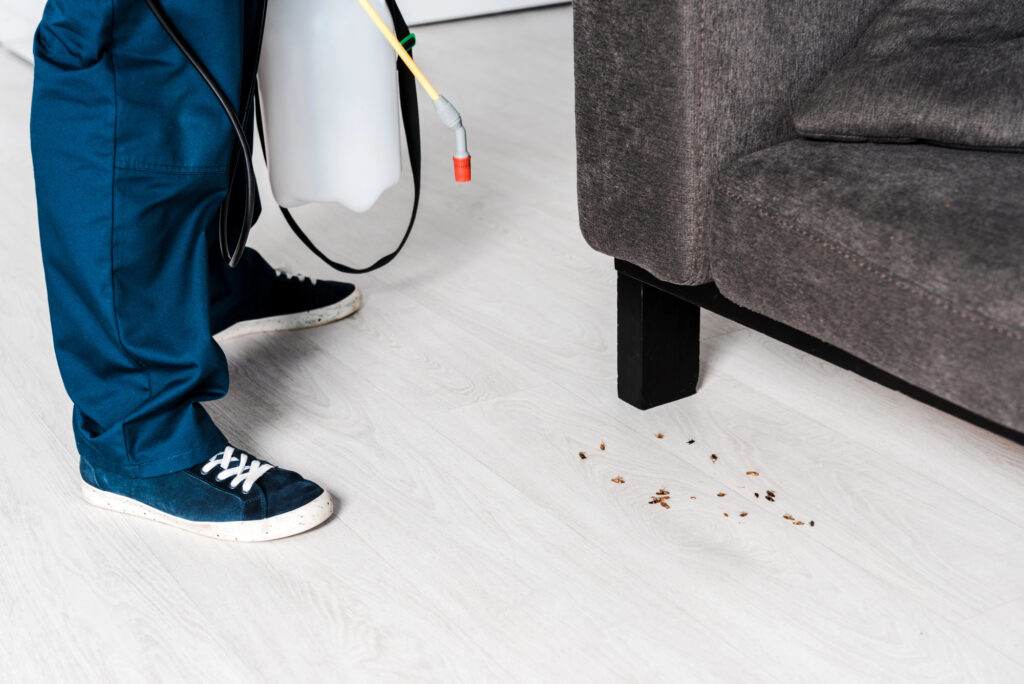
Smart pest prevention is less about reacting to a single unexpected sighting and more about creating conditions that make a property less attractive to pests. Homeowners, property managers, and businesses can apply the same practical habits used by United Pest Solutions and other pest management professionals: inspect regularly, remove attractants, seal access points, and respond quickly when activity appears. Pests look for the basics, including food, water, warmth, shelter, and easy entry. A clean space can still develop a problem if there is a slow plumbing leak, a damaged door sweep, open food storage, or a gap around a utility line. Consistent prevention protects comfort, reduces disruption, and can make treatment decisions more targeted when control is necessary.
Why Prevention Matters
A single ant near a sink or a mouse dropping in a garage does not always mean there is a severe problem, but it should prompt an inspection. Ants, cockroaches, rodents, and pantry pests often take advantage of conditions that remain available over time. Left unaddressed, those conditions may lead to food contamination, damaged packaging and materials, odors, bites, or interruptions at home and work. Prevention is usually less disruptive than repeated emergency treatment. It also supports integrated pest management, a method that combines monitoring, prevention, accurate identification, and carefully selected controls rather than relying on routine broad-spectrum treatments.
Common Pest Entry Points
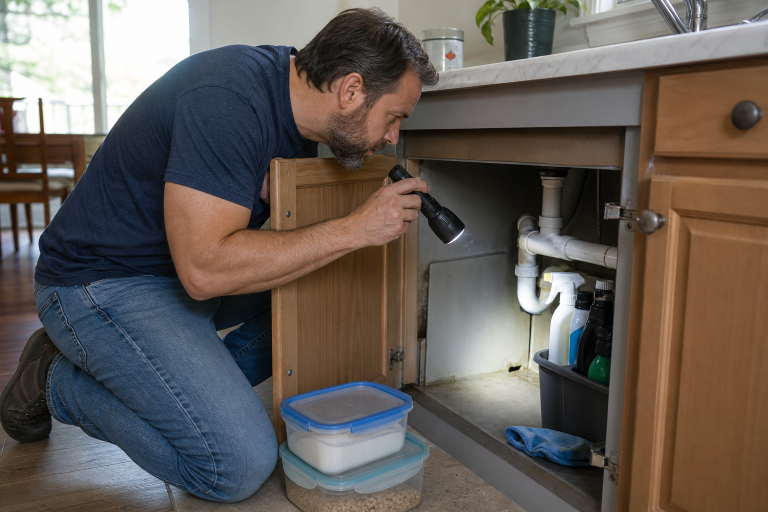
Pests can enter through openings that are easy to overlook. Check gaps around doors and windows, cracks near pipes and utility lines, damaged screens, vents, foundation openings, attic access points, and areas where roofing meets walls. Cluttered storage, wet cardboard, firewood against the building, overgrown plants, and leaking gutters can also create shelter or access. During a daylight walk-around, look for droppings, gnaw marks, rub marks, shed skins, nests, damaged food packages, and unusual odors. Indoors, inspect beneath sinks, behind appliances, near floor drains, and inside seldom-used cabinets.
Daily Prevention Habits
Kitchen And Food Storage
- Wipe counters and clean spills soon after meals.
- Store dry goods, pet food, and bulk ingredients in sealed containers.
- Empty indoor trash before it overflows and clean recycling containers.
- Clean under appliances, shelving, and furniture where crumbs collect.
- Inspect grocery bags, boxes, and stored foods for insects or damage.
Moisture And Outdoor Maintenance
- Repair leaks promptly and keep sinks, drains, bathrooms, and laundry spaces dry.
- Improve airflow in damp rooms and remove standing water from outdoor containers.
- Trim shrubs and branches away from walls and roofs.
- Move firewood away from the foundation and clear plant debris from drainage areas.
- Place exterior lighting away from entry doors when practical to reduce flying insect activity near entrances.
How Integrated Pest Management Works
Integrated pest management, often called IPM, is a step-by-step approach designed to manage pests at levels that protect people, food, property, and daily activities. The aim is not to eliminate every insect outdoors. The aim is to understand what is present, why it is present, and which response is appropriate.
- Inspect: Find pest activity and contributing conditions.
- Identify: Confirm the pest before selecting control methods.
- Monitor: Track sightings with visual checks, traps, notes, or photos.
- Prevent: Remove food, water, shelter, and access points.
- Control: Use the least disruptive effective option.
- Review: Evaluate results and adjust the plan.
A Home Pest Prevention Plan
Set aside time once a month to inspect the kitchen, basement, attic, garage, exterior walls, vents, screens, and weather stripping. Look beneath sinks for moisture, review stored foods and pet food, and clean behind large appliances. Keep a simple record of the date, location, number of pests seen, time of day, nearby conditions, and clear photos when possible. For example, ants repeatedly appearing beside a kitchen sink may seem like a surface-cleaning issue. A closer inspection could reveal a slow leak under the cabinet, providing both moisture and a path for travel. Fixing the leak and sealing the opening addresses the reason the ants keep returning.
A Workplace Pest Prevention Plan
Offices, restaurants, warehouses, schools, retail locations, and multi-unit properties benefit from written responsibilities and records. Assign a person to receive pest reports, track sightings, and coordinate repairs. Keep food and waste areas clean, inspect deliveries and pallets, and store boxes a few inches away from walls when practical. Managers should ask where activity is occurring, whether reports increase after rain, heat, deliveries, construction, or plumbing issues, and whether cleaning schedules are being followed. Document inspections, repairs, sightings, and treatment dates to make recurring patterns easier to identify.
Choosing Safer Treatment Options
“Natural” does not automatically mean harmless. Start with exclusion, sanitation, traps, and moisture control when they fit the situation. If a pesticide is needed, choose a targeted option, keep it in its original container, and follow every label direction for application, ventilation, cleanup, storage, and re-entry. The EPA’s pesticide safety guidance for consumers reinforces the importance of reading labels carefully and protecting children, pets, food-contact surfaces, and beneficial outdoor organisms. Never mix products unless the label specifically permits it.
When To Seek Professional Help
Professional advice is often appropriate when activity continues after preventive measures or when the situation involves a higher risk. Seek help for rodents in walls or ventilation areas, bed bugs in sleeping spaces, daytime cockroach activity, stinging insect nests near entrances, suspected termites, pests around food storage, serious allergies, or problems requiring health or regulatory documentation.
A 2026 Seasonal Checklist
Winter
Inspect attics, basements, garages, stored decorations, cardboard, and firewood. Seal gaps that can allow rodents and overwintering insects inside.
Spring
Clean gutters, correct drainage issues, repair screens and door sweeps, and inspect for moisture damage, nests, ants, and wood-damaging insects.
Summer
Remove standing water weekly, cover food during outdoor gatherings, trim vegetation, and watch for flies, mosquitoes, stinging insects, and pantry pests.
Fall
Seal exterior openings before colder weather, move firewood away from structures, inspect packages before bringing them inside, and watch for rodents seeking warmth.
Conclusion
Effective pest prevention comes from small actions repeated consistently. A sealed gap, a dry cabinet, a clean storage area, a repaired leak, or a timely inspection can prevent a larger issue. Identify the pest, correct the conditions that support it, monitor the results, and use targeted control only when it is needed. Regularly check kitchens, bathrooms, garages, attics, storage areas, and outdoor spaces for moisture, food sources, clutter, nests, droppings, or possible entry points. Seasonal changes can also create new opportunities for pests, making routine inspections especially useful throughout the year. Keeping food sealed, trash covered, vegetation maintained, and standing water removed can further reduce common attractants. When activity persists despite basic prevention measures, early professional assessment can help determine the appropriate response. A practical, prevention-focused routine helps homeowners protect their property while avoiding unnecessary treatments.