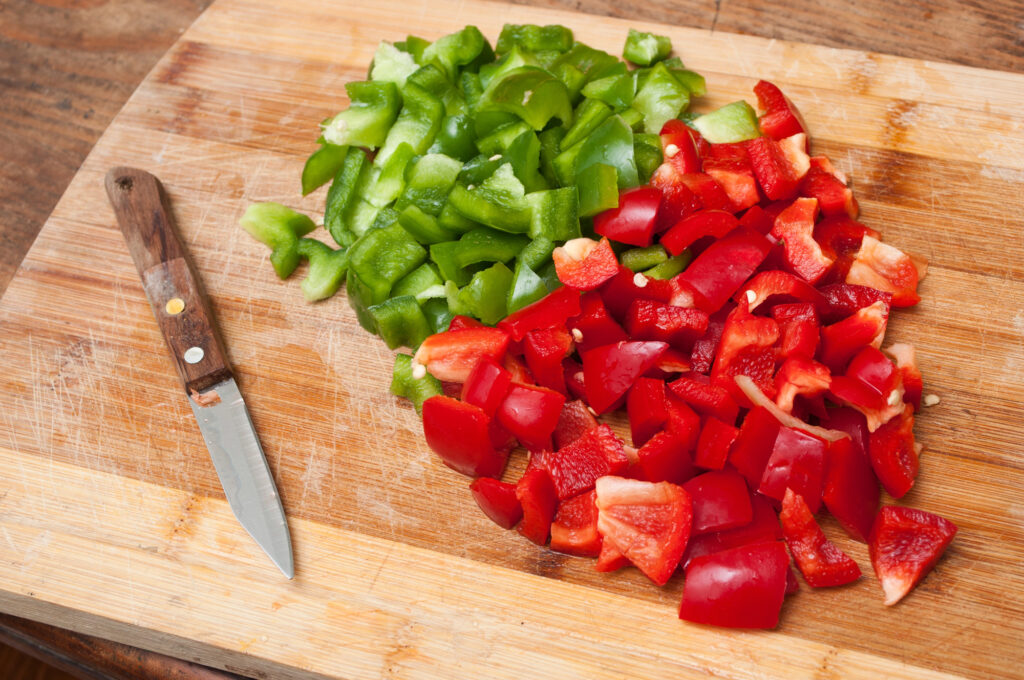
Cutting boards are something that we use frequently in the kitchen, and it is important to consider what makes this essential kitchen item safe and healthy. The materials used and quality can impact both food safety as well as your long-term health. Choosing a safe cutting board can reduce exposure to chemicals, bacteria, microplastics, and more.
Here are some safe cutting boards you can find on Amazon (contains affiliate links):
- Brosisincorp Wood Cutting Board
- John Boos Cutting Boards
- Keith Titanium Cutting Board
- Luban Mahogany Cutting Board
- Murrey Home Glass Cutting Board Set
Avoid Harmful Chemicals and Toxins
One of the most important things to look for in a cutting board is the absence of harmful chemicals. Some boards can contain chemical additions, BPA, and more, all of which leach into your foods. Look for cutting boards that are not plastic, and do not contain chemicals.
Minimize Exposure to Microplastics
Microplastics are becoming a growing concern in our daily routines, from foods to drinks to kitchen items. Plastic cutting boards can release tiny plastic particles into your food. Each time you cut on a plastic board, microplastics are created and released. Look for materials that do not contain microplastics, such as solid wood or bamboo. Not only is this safer, but it is also more sustainable.
Choose Natural and Non-Porous Materials
Natural materials like hardwood (such as maple or walnut) are popular for a reason. They are durable, gentle on knives, and less likely to harbor harmful substances. Some woods even have natural antimicrobial properties that help reduce bacterial growth. A good quality wooden board is both safer and will last longer.
Look for Safe Finishes and Glues
If you choose a wooden cutting board, pay attention to the finish. Safe boards are typically treated with food-grade oils or waxes, such as mineral oil or beeswax. Keep in mind that your board will wear down over time, and chemical finishes will contaminate your food.
Boards that are made from pieces of wood, instead of a single piece, contain glues. Look for non-toxic, food-safe adhesives.
Durability and Maintenance
A safe cutting board should be of good quality to prevent bacteria from accumulating. Cleaning thoroughly and oiling wooden boards helps keeps it hygienic. Avoiding cross-contamination between raw and cooked foods, and replacing boards that become excessively worn are all essential steps in maintaining a healthy kitchen environment.