A reliable HVAC system is one of the most important parts of a comfortable home. Whether it’s keeping your family cool during the summer or providing warmth on a cold winter night, your heating and cooling system works hard throughout the year. However, like any mechanical system, HVAC equipment can develop problems over time.
Many homeowners don’t think about their HVAC system until something goes wrong. The good news is that understanding the most common issues can help you prevent costly repairs, improve energy efficiency, and extend the lifespan of your equipment. If you’re looking for expert guidance on maintaining your system, learning more about central heat and air Euless, TX can provide valuable information for keeping your home comfortable year-round.
Dirty Air Filters
One of the most common HVAC problems is also one of the easiest to prevent. Air filters play a critical role in trapping dust, pollen, pet dander, and other airborne particles before they circulate through your home.
When filters become clogged, airflow is restricted. This forces the HVAC system to work harder, increasing energy consumption and putting additional strain on components.
How to Avoid It
Check your air filters monthly and replace them according to the manufacturer’s recommendations. Most homes benefit from changing filters every one to three months, though households with pets or allergy sufferers may need more frequent replacements.
Thermostat Issues
Sometimes what appears to be a major HVAC malfunction is actually a thermostat problem. Incorrect settings, dead batteries, calibration issues, or outdated technology can all affect system performance.
A thermostat that isn’t communicating properly with the HVAC system can result in uneven temperatures, frequent cycling, or a complete lack of heating or cooling.
How to Avoid It
Regularly check thermostat settings and replace batteries when needed. Consider upgrading to a programmable or smart thermostat, which can improve efficiency and help maintain consistent indoor temperatures.
Refrigerant Leaks
Air conditioners rely on refrigerant to remove heat from indoor air. When refrigerant levels drop due to a leak, the system’s ability to cool your home is significantly reduced.
Common signs of a refrigerant leak include warm air coming from vents, longer cooling cycles, ice buildup on coils, and unusually high utility bills.
How to Avoid It
Schedule routine HVAC inspections to identify leaks early. Refrigerant systems should only be serviced by qualified professionals, as handling refrigerant requires specialized training and equipment.
Frozen Evaporator Coils
Evaporator coils absorb heat from the air inside your home. When airflow becomes restricted or refrigerant levels are low, moisture can freeze on the coils, reducing system efficiency and potentially causing damage.
A frozen coil often results in weak airflow and reduced cooling performance.
How to Avoid It
Keep air filters clean, ensure vents remain unobstructed, and schedule preventive maintenance to catch issues before they lead to frozen components.
Dirty Condenser Coils
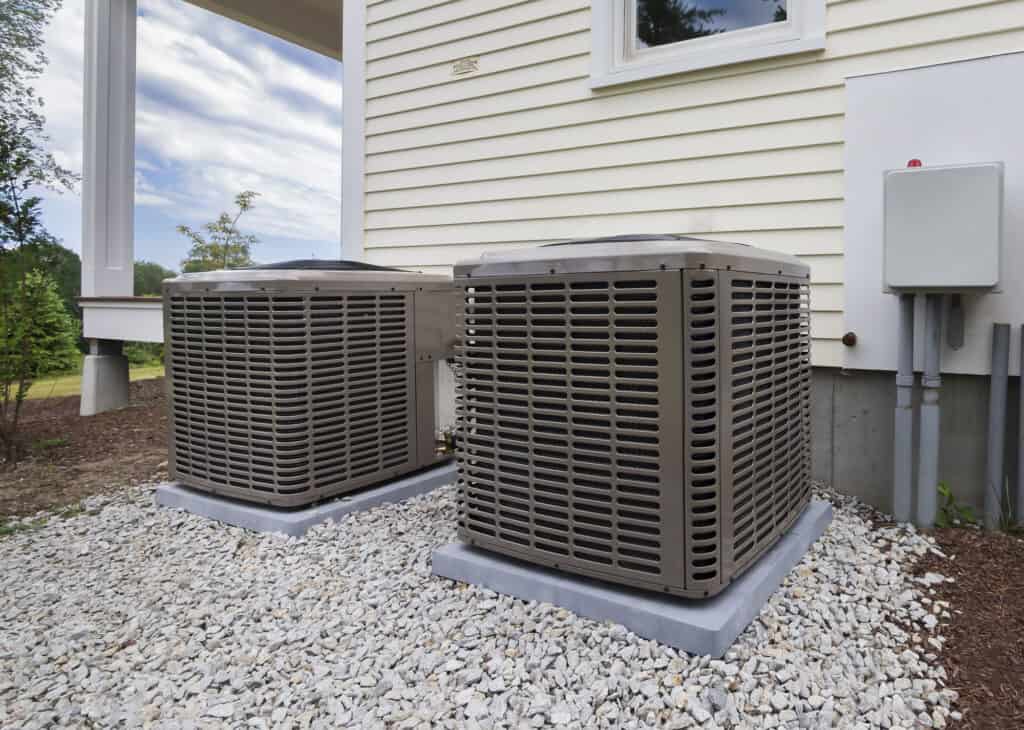
The outdoor condenser unit is responsible for releasing heat collected from inside your home. Over time, dirt, leaves, grass clippings, and debris can accumulate around the condenser coils, making it harder for the system to operate efficiently.
As the unit struggles to release heat, energy consumption rises and cooling performance declines.
How to Avoid It
Inspect the outdoor unit regularly and keep the surrounding area clear of debris. Trimming vegetation and maintaining at least two feet of clearance around the unit can help improve airflow and performance.
Electrical Component Failures
HVAC systems rely on numerous electrical components, including capacitors, relays, contactors, and wiring connections. Over time, wear and tear can cause these parts to fail.
Electrical problems may lead to intermittent operation, difficulty starting the system, or complete system shutdowns.
How to Avoid It
Routine inspections can identify worn electrical components before they fail. Professional maintenance technicians can test connections, check voltage levels, and replace aging parts as needed.
Clogged Drain Lines
Air conditioning systems remove humidity from indoor air, creating condensation that drains away through a condensate line. Over time, mold, algae, and debris can clog this line.
A blocked drain can cause water leaks, moisture damage, and even automatic system shutdowns in some units.
How to Avoid It
Regular maintenance should include inspection and cleaning of condensate drain lines. Homeowners can also periodically check for standing water around indoor HVAC equipment.
Uneven Heating and Cooling
Many homeowners experience rooms that are too hot, too cold, or difficult to keep comfortable. Uneven temperatures can result from ductwork issues, poor insulation, blocked vents, or improperly sized HVAC systems.
Not only does this affect comfort, but it can also increase energy costs as the system works harder to compensate.
How to Avoid It
Keep vents open and unobstructed throughout the home. If temperature inconsistencies persist, a professional evaluation can identify underlying causes such as duct leaks or airflow imbalances.
Lack of Preventive Maintenance
Perhaps the biggest contributor to HVAC problems is neglecting regular maintenance. Small issues often go unnoticed until they become expensive repairs or system failures.
Preventive maintenance helps ensure that every component is operating efficiently while identifying potential concerns before they escalate.
For homeowners, regular inspections and preventive maintenance remain some of the most effective ways to protect HVAC investments, improve system efficiency, and maintain consistent indoor comfort throughout the year.
The Importance of Seasonal HVAC Checkups
Seasonal tune-ups provide an opportunity to prepare your HVAC system for changing weather conditions. Spring maintenance helps ensure cooling equipment is ready for summer temperatures, while fall inspections prepare heating systems for winter operation.
These visits typically include cleaning components, checking refrigerant levels, inspecting electrical connections, testing system performance, and identifying wear before it leads to breakdowns.
Investing in routine service often costs far less than emergency repairs and can significantly extend equipment lifespan.
Conclusion
HVAC systems are complex, but many common problems can be prevented through consistent care and attention. Dirty filters, refrigerant leaks, thermostat issues, clogged drain lines, and neglected maintenance are among the leading causes of reduced performance and costly repairs.
By staying proactive and scheduling regular inspections, homeowners can improve efficiency, lower energy costs, and enjoy more reliable comfort throughout the year. A little preventive maintenance today can save substantial time, money, and frustration in the future while helping your HVAC system perform at its best for years to come.