

A few years ago, vacuum sealing belonged almost exclusively to commercial kitchens and meat processing plants. Today it has moved into home pantries, small batch food businesses, online resellers shipping mattresses, and warehouses managing inventory that simply cannot afford moisture damage. The shift did not happen because of marketing. It happened because the cost of not vacuum sealing became too obvious to ignore.
Two statistics explain why this category has grown so quickly. According to the U.S. Department of Agriculture, approximately 30 to 40 percent of the food supply in the United States is wasted, amounting to roughly 133 billion pounds and 161 billion dollars’ worth of food annually. That figure has become a central reference point for food preservation research, and it is a primary reason vacuum sealing has moved from a commercial niche into mainstream household and small business use.
Not All Vacuum Bags Are Built the Same
The phrase “vacuum bag” covers a surprisingly wide range of products, and the differences between them matter more than most buyers realize until something fails.
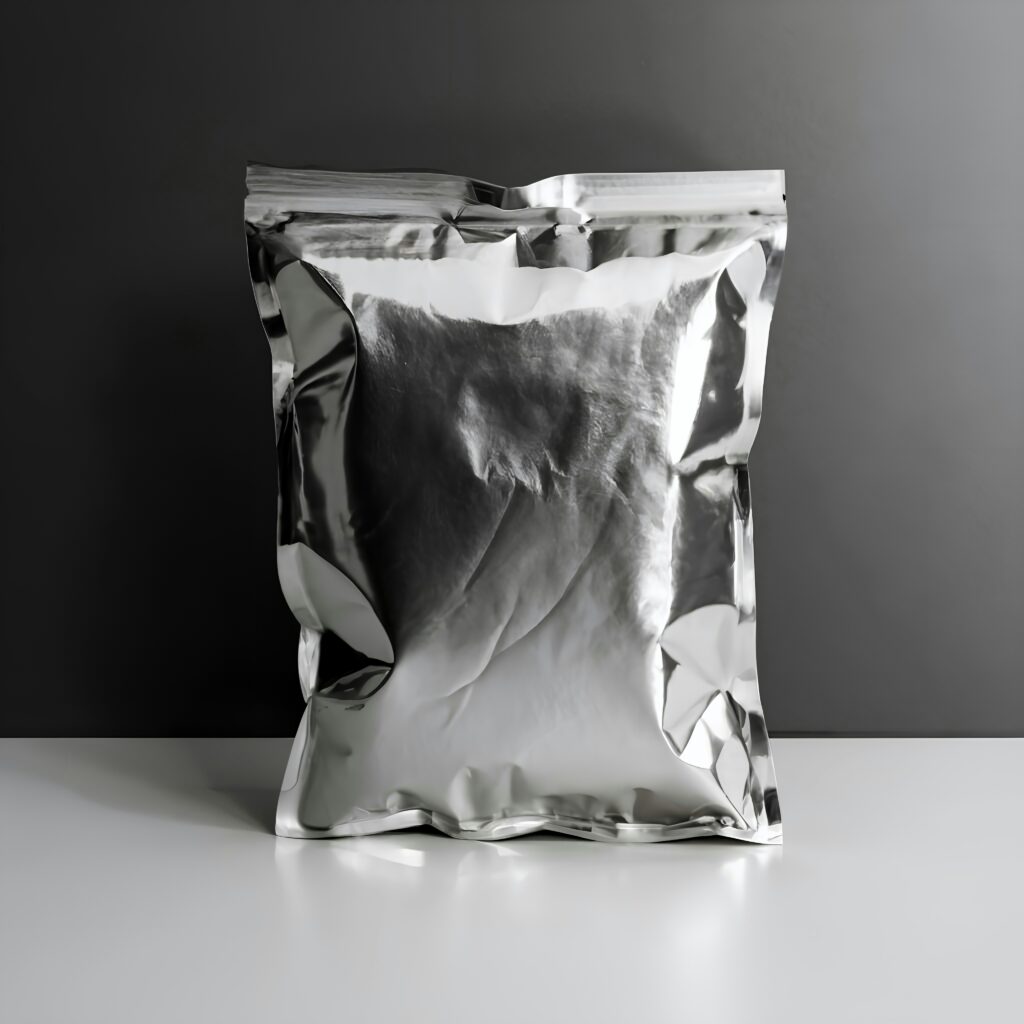
Thickness: 3 Mil vs. 4 Mil: Mil thickness refers to the bag’s wall density, with one mil equal to one-thousandth of an inch. 3 Mil Vacuum Bags are the standard choice for everyday food storage, light household use, and short-term freezing. They puncture more easily than thicker alternatives but are sufficient for most kitchen needs. 4 Mil Vacuum Bags step up in durability and are the preferred option for bone-in meat, sharp-edged items, extended freezer storage, and any application where the bag needs to withstand more handling without tearing.
Application-Specific Bags: Meat Vacuum Bags are engineered specifically to handle the moisture content and occasional bone punctures involved in storing raw or processed meat, often featuring multi-layer construction for puncture resistance and odor barrier properties. Food Vacuum Bags, more broadly, are designed for direct food contact, meeting safety standards for sealing produce, grains, leftovers, and prepared meals. Industrial Vacuum Seal Bags exist on a different scale entirely, built for non-food applications such as equipment storage, parts protection, and bulk goods that require moisture and corrosion control during shipping or long-term storage.
Color and Visibility: Clear Vacuum Bags remain the most common choice because they allow contents to be identified at a glance, which matters for inventory management and home organization alike. Black Vacuum Bags serve a different purpose, often used in retail and resale contexts where opacity protects the product from light exposure or simply presents a more premium, discreet appearance on a shelf or in transit.
Closure Style: Vacuum Zipper Bags add a resealable closure on top of the vacuum seal function, allowing a bag to be opened, partially used, and resealed without needing a full re-vacuum cycle. This makes them especially practical for items that get used incrementally, such as coffee, snacks, or bulk dry goods.
Beyond Food: Mattress Vacuum Bags Outside the kitchen entirely, Mattress Vacuum Bags solve a logistics problem rather than a preservation one. Compressing a mattress for shipping or moving reduces its footprint dramatically, which has become increasingly relevant as direct-to-consumer mattress brands and resale platforms have grown. The same vacuum principle that extends shelf life on food also reduces shipping costs and storage space for bulky items.
Cost Breakdown by Vacuum Bag Type
Pricing varies depending on thickness, size, and whether the bags are sold in retail packs or bulk industrial quantities. Below is a general cost reference:
| Bag Type | Common Size Range | Estimated Price Range | Notes |
|---|---|---|---|
| 3 Mil Vacuum Bags | Quart to Gallon | $0.10 – $0.25 per bag | Standard household and light commercial use |
| 4 Mil Vacuum Bags | Quart to Gallon | $0.20 – $0.45 per bag | Higher puncture resistance; better for meat and bones |
| Meat Vacuum Bags | Pint to 2-Gallon | $0.25 – $0.60 per bag | Multi-layer barrier; often sold in bulk rolls |
| Food Vacuum Bags (textured/embossed) | Quart to Gallon | $0.15 – $0.35 per bag | Channel design for compatibility with most sealers |
| Industrial Vacuum Seal Bags | Custom / Large format | $0.50 – $3.00+ per bag | Pricing scales with size and barrier specification |
| Vacuum Zipper Bags | Quart to Gallon | $0.30 – $0.55 per bag | Resealable; premium over standard vacuum bags |
Sources: General market pricing compiled from packaging supplier catalogs and bulk distributor pricing (2025-2026). Actual costs vary by supplier, order volume, and material specification.
What’s Driving Adoption Outside the Kitchen
The growth in this category is not limited to food preservation. Small businesses shipping handmade goods, resellers compressing soft goods like bedding and clothing, and warehouses managing climate-sensitive inventory have all adopted vacuum sealing as a practical logistics tool rather than a kitchen gadget. Reduced shipping volume translates directly into lower freight costs, and moisture barrier protection reduces product returns and damage claims, both of which matter more to a growing business than the relatively small upfront cost of the bags themselves.
For businesses sourcing packaging materials at volume, suppliers like Print Early Packaging that work across custom packaging categories can be a useful resource when a business needs vacuum bags alongside other packaging formats under a single order, simplifying procurement for companies juggling multiple product lines.
A Practical Note on Selection
Choosing the right vacuum bag comes down to three questions: what is being stored, how long it needs to last, and how it will be handled in transit or storage. A bag selected purely on price, without considering puncture resistance or barrier properties appropriate to the contents, often ends up costing more in product loss than it saved at checkout.
As the broader vacuum packaging market continues to expand, driven largely by the same food waste and logistics pressures outlined above, the range of available bag types is only going to widen further. Understanding the distinctions now puts buyers, whether household or commercial, in a stronger position to choose correctly the first time.