When summer temperatures climb, your air conditioning system becomes one of the most important systems in your home. Yet many homeowners only think about their AC when it stops working. That reactive approach often leads to higher energy bills, reduced comfort, and unexpected repair costs. A smarter strategy is to focus on consistent care that keeps your system running efficiently throughout the season.
One of the most effective ways to ensure reliable performance is through preventative AC maintenance. This proactive approach helps identify small issues before they turn into expensive problems, while also improving energy efficiency and extending the lifespan of your system.
Why AC Efficiency Matters More Than Ever
Modern households rely heavily on air conditioning, especially during prolonged heatwaves. However, inefficient systems can consume significantly more electricity than necessary. According to industry estimates, poorly maintained HVAC systems can increase energy usage by up to 15–20%.
Efficient cooling is not just about comfort—it directly impacts your monthly expenses and environmental footprint. A well-maintained system uses less energy, cools faster, and maintains consistent indoor temperatures without overworking the unit.
How Regular Maintenance Improves Performance
Routine AC care goes beyond basic cleaning. It involves a combination of inspections, adjustments, and preventive actions that keep all components functioning properly.
By scheduling preventative AC maintenance, homeowners can ensure that key elements such as filters, coils, refrigerant levels, and electrical connections are all operating at optimal levels. This reduces strain on the system and prevents sudden breakdowns during peak usage.
Key Components That Need Attention
A high-performing AC system depends on several interconnected parts. Neglecting even one can impact overall efficiency.
Air Filters
Clogged filters restrict airflow, forcing the system to work harder. Replacing or cleaning filters regularly improves air quality and system performance.
Evaporator and Condenser Coils
Dirty coils reduce heat absorption and release, making the cooling process less effective. Regular cleaning ensures proper heat exchange.
Refrigerant Levels
Low refrigerant can lead to poor cooling and potential compressor damage. Proper levels are essential for efficient operation.
Thermostat Calibration
An inaccurate thermostat can cause uneven cooling or excessive cycling. Calibration ensures accurate temperature control.
Signs Your AC System Needs Immediate Care
Recognizing early warning signs can prevent costly repairs. Many systems show subtle indicators before major issues develop.
If your AC unit struggles to maintain temperature, produces unusual noises, or causes a sudden spike in energy bills, it may be time for maintenance. Weak airflow or inconsistent cooling across rooms also signals underlying problems that should not be ignored.
Practical Tips to Boost Cooling Efficiency
While professional servicing is essential, homeowners can take simple steps to enhance performance between maintenance visits.
- Replace air filters every 1–3 months, especially during heavy usage
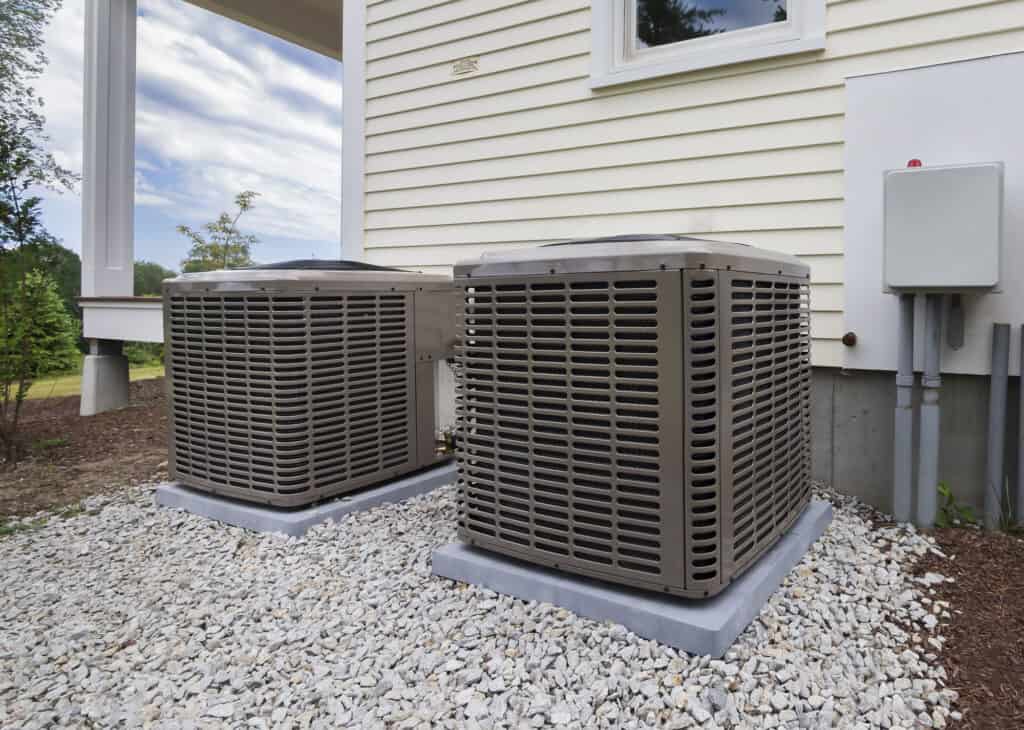
- Keep outdoor units clear of debris, leaves, and dirt
- Seal air leaks around windows and doors to prevent cool air loss
- Use programmable thermostats to optimize temperature settings
- Schedule annual inspections before peak summer months
These small actions can significantly improve energy efficiency and reduce wear on your system.
The Long-Term Benefits of Preventive Care
Investing in routine AC maintenance delivers measurable long-term advantages. It not only reduces the likelihood of unexpected breakdowns but also improves indoor air quality and overall comfort.
Consistent servicing helps extend the lifespan of your system, delaying the need for costly replacements. It also ensures that your unit operates safely, minimizing risks associated with electrical faults or refrigerant leaks.
From a financial perspective, the savings on energy bills and repair costs often outweigh the expense of regular maintenance. Over time, this makes preventive care one of the most cost-effective strategies for homeowners.
Energy Efficiency and Smart Cooling Strategies
Modern cooling solutions go beyond maintenance. Integrating smart practices can further enhance efficiency and comfort.
Using ceiling fans alongside your AC can help distribute cool air more evenly, reducing the load on your system. Installing smart thermostats allows for automated temperature adjustments based on occupancy and time of day.
Additionally, improving home insulation ensures that cool air stays inside longer, reducing the need for constant operation. These strategies work together with maintenance efforts to create a more efficient and comfortable indoor environment.
Conclusion
Maximizing home cooling efficiency is not about working your AC harder—it is about helping it work smarter. Regular maintenance, combined with simple home improvements, can dramatically improve performance, reduce energy consumption, and extend the life of your system.
By adopting a proactive approach, homeowners can enjoy consistent comfort throughout the hottest months while avoiding unnecessary expenses. Taking action today ensures your AC system is ready to handle the demands of tomorrow, delivering reliable cooling when you need it most.