
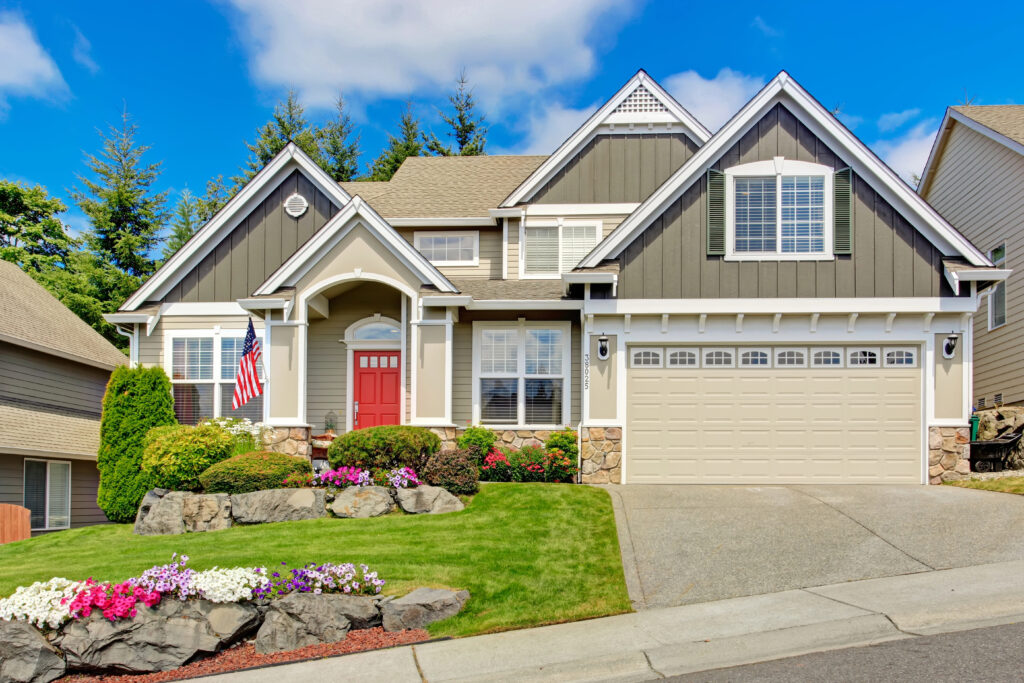
As environmental awareness grows, modern homebuyers are increasingly prioritizing sustainability in their purchasing decisions. This shift reflects a desire for energy efficiency, eco-friendly materials, and smart technologies that promote a greener lifestyle. For those navigating the real estate market in Texas, Plano TX real estate experts Go Real Estate Group offer comprehensive services to help buyers find homes that align with their sustainability goals. With over 15 years of experience, Go Real Estate Group specializes in real estate services, property management, capital investment, and wealth management, serving areas including Dallas, Frisco, Allen, McKinney, Prosper, and Celina.
Energy Efficiency: A Top Priority
Today’s buyers focus heavily on energy efficiency, with over 42% of agents noting that clients request eco-friendly upgrades, green certifications, and energy-saving appliances, mainly due to rising utility bills. They prefer features such as solar panels, high-efficiency HVAC systems, LED lighting, and improved insulation to lower costs and their environmental impact. Additionally, buyers consider home orientation, passive design, reflective roofing, and shaded outdoor areas to reduce heating and cooling expenses. Builders respond by including green roofs, solar shades, and advanced framing techniques. Certification programs like ENERGY STAR® and LEED set standards and boost home value, making these properties especially appealing to buyers interested in sustainability and cost-effectiveness.
Smart Home Technology Integration
Smart home technology is now a vital part of modern households, featuring automated devices such as programmable thermostats, remote cameras, and touchless locks that can be managed via smartphones and voice assistants, enhancing security and saving energy. Integrated systems, including voice assistants, sound systems, and smart irrigation, are standard in new and renovated homes. These systems adapt to homeowner preferences, improving temperature control, security, and resource efficiency, while simplifying routines and promoting conservation. As technology progresses, more features aimed at convenience and sustainability are expected.
Eco-Friendly Building Materials and Designs
Homes constructed with recycled or eco-friendly materials, such as bamboo, reclaimed wood, or low-carbon concrete, are highly sought after for their durability and reduced environmental footprint. Water conservation technologies such as low-flow faucets, dual-flush toilets, and rainwater harvesting systems are increasingly popular. Native landscaping that requires less water is also trending. Interior finishes emphasize non-toxic, low-VOC paints, sustainable cabinetry, natural fiber textiles, and insulation made from recycled denim or cellulose for health benefits and sustainability. Architectural designs prioritize passive solar strategies, natural daylighting, green walls, living roofs, and permeable paving to minimize runoff, promote biodiversity, and strengthen neighborhood resilience.
Water Conservation Features
Incorporating water-saving technologies such as low-flow faucets, dual-flush toilets, and rainwater-harvesting systems is a key trend. Buyers are also drawn to native landscaping that requires less water and maintenance.
Advanced irrigation technologies such as weather-sensing sprinkler systems further help minimize unnecessary water use. Greywater recycling systems, which repurpose water from sinks, showers, and washing machines for landscape irrigation, are becoming more mainstream in new builds. Homeowners benefit not only from reduced utility bills but also from greater resilience during droughts or municipal water restrictions—concerns especially relevant to Texas residents. WaterSense-labeled fixtures are another must-have, reassuring buyers that every drop is being maximized efficiently in daily use.
Flexible and Multifunctional Living Spaces
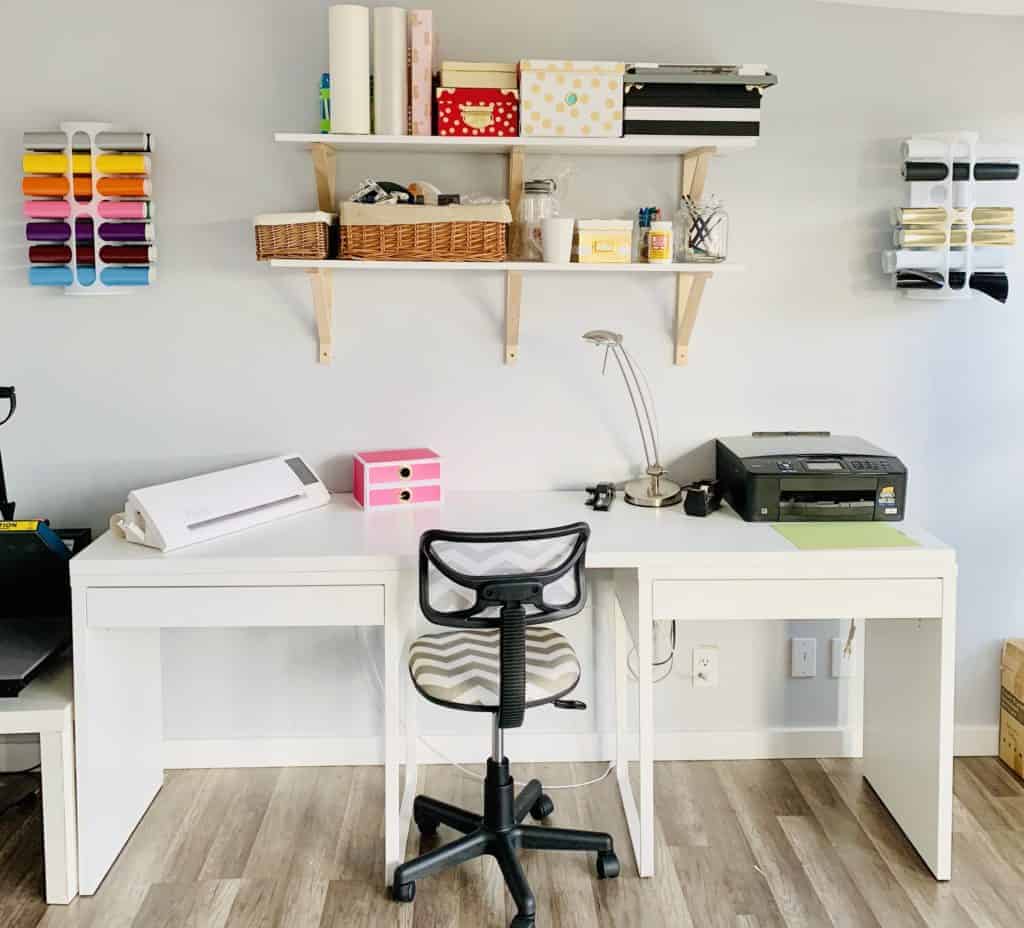
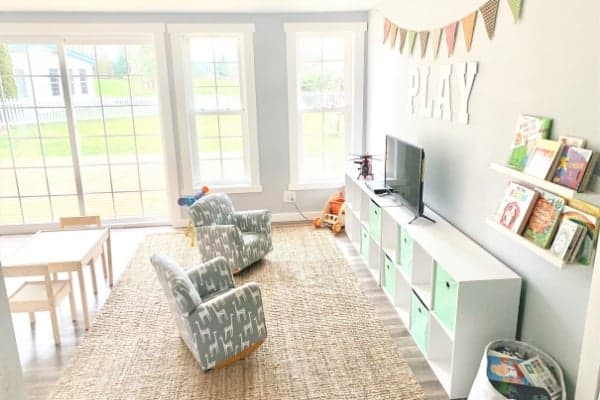
As more people work and stay at home, flexible living spaces become crucial. Buyers seek open layouts, adaptable rooms for offices, gyms, or guest accommodations, and indoor-outdoor areas that extend living space. These versatile zones, featuring movable walls and innovative furniture, can be easily reconfigured. Incorporating biophilic design elements like plants, natural light, and textures enhances well-being. Outdoor areas, such as screened porches and patios with solar shades, increase value and foster a connection to nature. The aim is a home that serves for work, leisure, and entertainment, evolving with the occupants’ needs.
Conclusion
The modern real estate market is increasingly focused on sustainability, with buyers prioritizing energy efficiency, smart technology, eco-friendly materials, and versatile spaces. Consulting experts can help understand these trends. As sustainable practices grow, fueled by legislation, awareness, and advancing technology, builders are incorporating efficiency and wellness features, while homeowners are upgrading for a greener future. These developments not only benefit the environment but also enhance living spaces, making sustainability a wise investment for comfort, cost savings, and responsibility.

I like these trends, I wish that I could buy a new home just for these features.
Thank you for sharing all the insights. I have been using eco-friendly materials for a few years now, so it is nice to see it is becoming a trend.
I think these trends are going in the best direction. Taking steps like these matter to us individually, but even better, the more people who implement them, the better things become for everyone.
I would love to add spray foam insulation to my house but that would be a huge undertaking. I’m sure it might be worth it. I just replaced my ac system last year.