
Homeowners across Long Island often deal with roof damage caused by aging materials, storms, and seasonal wear. In areas such as Nassau County and Suffolk County, roofing problems can appear suddenly and require timely repair or full replacement. Many property owners prefer scheduling roofing work during milder months, but urgent issues often arise after severe weather events.
Across New York, homeowners regularly rely on trusted industry guidance when selecting a contractor. According to the National Roofing Contractors Association, nearly 70 percent of roofing replacements are driven by storm damage or leaks over time.
Selecting a roofing contractor in Long Island requires careful review of credentials, insurance, and past work. Homeowners researching a reliable Long Island roofing company may compare providers such as 5 Boro Construction Services to better understand how experience, licensing, and service quality may vary before starting a roofing project. Residents in Hempstead, Huntington, and Islip often face similar roofing challenges due to coastal weather conditions and seasonal storms. Careful contractor selection, clear written agreements, and proper insurance verification are essential steps before starting any roofing work.
Average roof cost guide for Long Island homes
| Roof Type | Average Cost Range (Installed) | Lifespan | Notes |
|---|---|---|---|
| Asphalt shingles | $6,000 to $14,000 | 20 to 25 years | Most common and budget friendly option |
| Architectural shingles | $9,000 to $18,000 | 25 to 30 years | Better durability and wind resistance |
| Metal roofing | $12,000 to $30,000 | 40 to 70 years | Higher upfront cost but long lifespan |
| Flat roof (rubber or TPO) | $7,000 to $20,000 | 15 to 30 years | Common for low slope homes and extensions |
Key tips for hiring a roofing contractor in Long Island
- Start by getting referrals from local homeowners in Nassau County or Suffolk County and verify licensing and insurance
- Make sure the contractor clearly explains whether the roof will be repaired or fully replaced
- Confirm cleanup responsibilities and debris removal after the project
- Ask how they will protect gutters, siding, and landscaping during work
- Review how weather delays will be handled, especially during storms
- Check both homeowner insurance coverage and contractor liability insurance
- Confirm manufacturer certification for specific roofing systems when applicable
- Always choose a contractor with verified reviews and proper credentials
What should be included in a roofing estimate
A professional estimate should clearly outline materials, installation methods, project timeline, payment schedule, warranty details, and waste disposal responsibilities. Homeowners in Long Island should always request itemized documentation before approving any work.
Another industry report shows that asphalt shingles, the most common roofing material in the U.S., typically last around 20 to 25 years depending on maintenance and weather exposure.
Roof maintenance and lifespan improvement
- Trim trees near the roofline, especially in Nassau County and Suffolk County where storms can cause branch damage
- Inspect roofs after storms for missing shingles or visible wear
- Keep gutters clean to prevent water buildup and structural damage
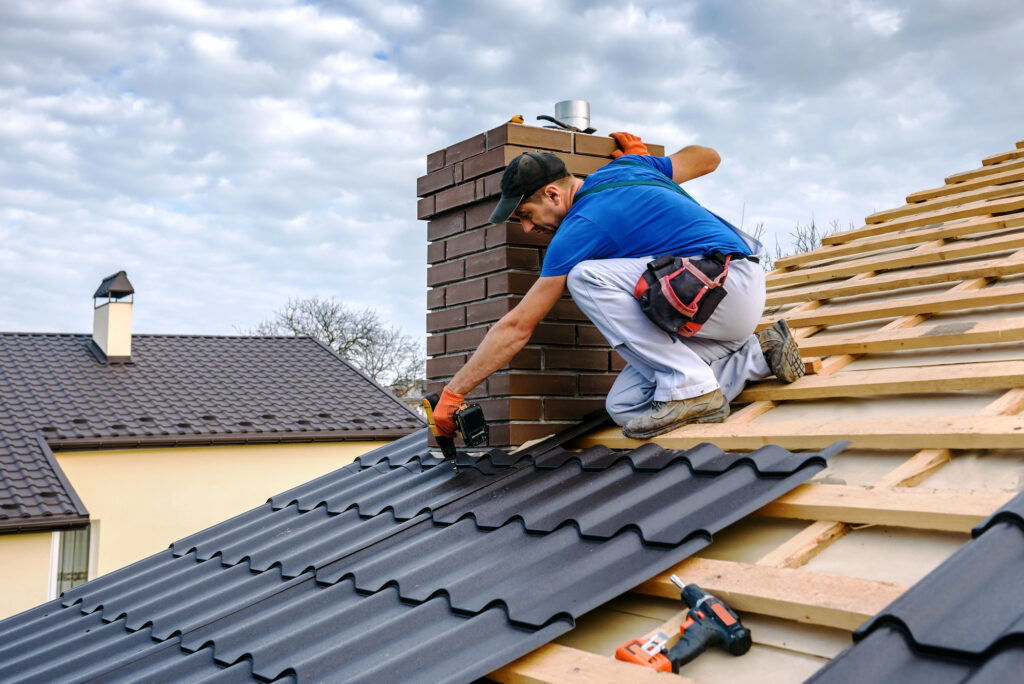
Roofing scams to avoid
In Hempstead, Huntington, and Islip, roofing scams often increase after major storms. Some contractors may offer unsolicited inspections or discounted materials to pressure homeowners into quick decisions. Always verify credentials and avoid any contractor who refuses written documentation or proof of insurance.
About New York and local conditions
New York experiences a wide range of weather conditions, including hot summers, heavy rain, strong winds, and cold snowy winters, all of which can significantly affect roof durability over time. In coastal areas near Long Island, exposure to salt air, moisture, and storm-driven winds can accelerate wear and increase the risk of leaks or shingle damage. These changing seasonal conditions make regular roof inspections and preventative maintenance especially important for homeowners. As a result, property owners need to stay proactive throughout the year to help extend roof life and reduce the likelihood of costly repairs.